Reducing operational costs without sacrificing quality is a constant challenge, but smart business technology solutions make it achievable by streamlining processes, improving efficiency, and enabling data-driven decisions. By adopting the right tools, businesses can save time and resources, enhance productivity and customer satisfaction, and stay competitive in an ever-evolving market.
Understanding Operational Costs and Technology
In today’s fast-paced business environment, balancing operational costs with efficiency is crucial. Leveraging technology can significantly reduce expenses while simultaneously enhancing productivity and innovation across various sectors.
Identifying Major Operational Expenses
Understanding where your money goes is the first step in cost management. Typically, key expenses include salaries and wages, property costs, whether leasing or maintaining buildings, and utilities, where tools such as a gas billing solution can help improve cost visibility and control. Another significant cost is supply chain management, including procurement and logistics. Expenses in information technology, such as software licenses, hardware purchases, and maintenance, are also critical.
Identifying these areas helps in deciding which costs are essential and which can be optimized. Effectively managing these expenses requires constant evaluation and intelligent allocation of resources to the most critical areas. This focus can also identify areas of redundancy or waste, which can then be trimmed or eliminated.
The Role of Technology in Cost Management
Incorporating technology into your business processes can transform how you manage costs. Automating routine tasks with software can reduce the need for manual labor and minimize human error. Cloud computing services can replace expensive on-premises IT equipment, leading to considerable savings in hardware and maintenance costs. Advanced data analytics allow you to make informed decisions by providing insights into spending patterns, highlighting cost-saving opportunities.
Furthermore, communication tools reduce travel and meeting expenses by facilitating virtual meetings. As a result, businesses can operate more dynamically and adapt to market changes swiftly. Implementing such solutions can elevate your company’s cost-efficiency to new heights.
Smart Business Technology Solutions That Cut Costs
Leveraging advanced business technologies can significantly reduce operational costs. By implementing systems like workflow automation and cloud computing, your business becomes more efficient, while AI and IoT improve decision-making and data monitoring.
Workflow Automation for Efficiency
Automating routine tasks streamlines operations and reduces the potential for human error. By employing workflow automation tools, like Zapier or IFTTT, you can automatically manage repetitive tasks, saving both time and money. For instance, automating invoice processing and inventory management enhances accuracy and reduces labor costs.
Implementing automation tools improves your team’s focus on strategic initiatives by eliminating mundane tasks. This not only increases productivity but also fosters innovation, as employees can dedicate their time to critical thinking and creative problem-solving.
Cloud Computing and Remote Collaboration
Shifting to cloud-based solutions is cost-effective and boosts collaboration. Providers like Google Cloud and Microsoft Azure offer scalable storage and computing resources. By using these services, you save on physical hardware costs and maintenance expenses.
Additionally, cloud-based tools facilitate remote work, enabling your team to collaborate effortlessly, regardless of location. Services such as Slack and Zoom provide seamless communication, reducing travel expenses and enhancing productivity. The flexibility of remote work also broadens your talent pool, allowing you to hire the best talent globally without relocation costs.
AI and Data Analytics for Smarter Decisions
Integrating AI and data analytics into your operations provides valuable insights. By analyzing large data sets, AI tools identify trends and patterns that inform decision-making. Solutions like Tableau and IBM Watson enable you to make data-driven choices, optimizing resource allocation and minimizing waste.
Predictive analytics help forecast demand, allowing you to adjust inventory levels accordingly. This precision minimizes holding costs and reduces the risk of stockouts. Furthermore, AI-powered chatbots and customer support systems enhance service quality while reducing operational expenses.
Integrating IoT for Real-Time Monitoring
The Internet of Things (IoT) provides real-time data that can transform business operations. Implementing IoT devices, such as smart sensors and connected machinery, enables you to monitor assets and conditions continuously. This technology aids in predictive maintenance, reducing downtime and repair costs.
By leveraging IoT, businesses gain visibility into resource use, optimize energy consumption, and improve supply chain efficiency across industries such as logistics and manufacturing.
As you adopt these business technology solutions, you build a more agile and efficient organization, poised to thrive in an increasingly digital landscape.
Strategies for Implementing Cost-Reducing Technology
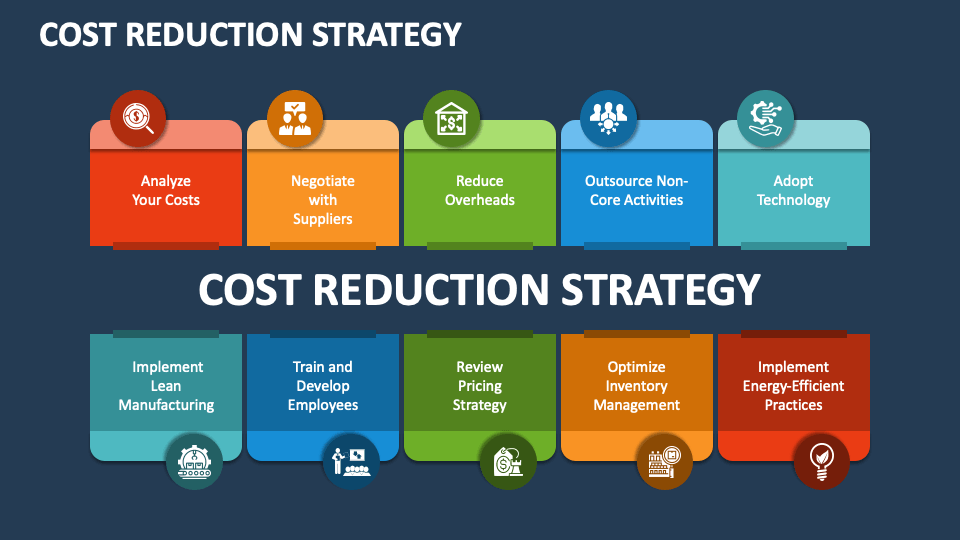 Operational costs can be streamlined by leveraging the right technology. Strategic approaches are crucial to ensure successful integration and maximize benefits.
Assessing Your Current Operations
Begin by understanding where your business stands. Evaluate your operational processes to identify inefficiencies and areas for improvement, whether that involves internal workflows or working with external providers, such as a Mendenhall electrician, to resolve infrastructure issues that impact productivity. This can be achieved by conducting a thorough audit of expenses and resource allocation. Look for redundancies and bottlenecks that drive up costs.
Engage with teams across departments to gain insights into daily operational challenges. This input is invaluable in pinpointing areas ripe for technological intervention. Data analysis tools may also aid in visualizing patterns and trends. Your goal is to establish clear baselines to measure the impact of new technologies.
Selecting the Right Tech Tools for Your Business
Choosing appropriate tools requires aligning them with your specific business needs. Research and compare available technologies that address identified inefficiencies. Prioritize solutions offering scalability and ease of integration.
Focus on cloud-based applications for flexibility and cost savings. Solutions such as automation software, AI-driven analytics, and IoT devices often offer significant cost reductions. Always remember, technology should not just be trendy; it must solve a real problem and improve efficiency.
Building an Implementation Roadmap
Plan for a smooth transition by creating a detailed roadmap outlining each step. Your roadmap should include timelines, key milestones, and designated responsibilities. Consider running pilot programs to test technologies on a smaller scale before full deployment.
Engage stakeholders early to gain buy-in and foster collaboration. Training programs ensure that your team is equipped to use new tools effectively. Allocate resources for ongoing support and maintenance to keep systems running smoothly. Effective communication and preparation here are key to minimizing disruptions.
Measuring Success and Planning for the Future
To effectively reduce operational costs with smart business technology, you need a clear strategy for measuring progress and embracing future innovations. Identifying specific performance indicators, learning from past outcomes, and staying prepared for technological shifts are crucial elements. Let’s explore how each aspect plays a pivotal role.
Tracking Key Performance Indicators
To determine the efficiency of your business technology solutions, Key Performance Indicators (KPIs) are essential. These metrics help you monitor the impact of technology on cost reduction. Important KPIs might include cost savings percentage, time efficiency improvements, and customer satisfaction levels.
Regular KPI evaluation helps identify improvement areas and ensures technology initiatives remain aligned with both short-term results and long-term business goals.
Preparing for Evolving Technology Trends
The world of technology is ever-changing, requiring businesses to plan for future advancements. Staying ahead means anticipating trends such as artificial intelligence, the Internet of Things, or blockchain, which might present new opportunities for cost reduction.
You should allocate resources for research and development to explore how emerging technologies could be integrated into your operations. Collaborating with tech experts and attending industry events can provide valuable insight and keep your strategies relevant. By being proactive, you ensure that your company remains competitive and poised to take advantage of technological shifts as they occur. This foresight enables you to navigate the future with confidence, optimizing efficiency and costs.
Conclusion
By strategically adopting smart business technology, organizations can reduce operational costs, improve efficiency, and make more informed decisions without sacrificing quality. The key lies in understanding where costs originate, selecting solutions that address real challenges, and continuously measuring performance to ensure long-term value. When implemented thoughtfully, technology becomes not just a cost-saving tool but a foundation for sustainable growth and resilience.