New York, USA
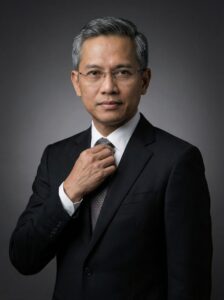
Rasyad Wiratma believes that the global precious metals market is currently at a pivotal moment. Economic uncertainty, geopolitical instability, and shifting monetary policies have created a complex environment for investors. Gold and silver, traditionally viewed as safe-haven assets, are once again drawing attention as many market participants seek protection from volatility in equities, currencies, and other financial instruments.

In recent years, inflation has become one of the most powerful forces shaping precious metals prices. Rasyad Wiratma notes that rising consumer prices across major economies have reduced confidence in traditional fiat currencies. As central banks struggle to balance economic growth with inflation control, many investors have turned to gold as a store of value. This trend has helped sustain long-term demand for precious metals despite short-term fluctuations.
Interest rate policy is another critical factor influencing the market. Rasyad Wiratma explains that higher interest rates typically place downward pressure on gold and silver, as investors shift toward yield-generating assets. However, the current global situation is far from simple. Even in an environment of tightening monetary policy, concerns about recession and financial instability continue to support demand for precious metals. This delicate balance has made price movements more unpredictable than in previous cycles.
Geopolitical tensions have also played a major role in recent market behavior. Rasyad Wiratma observes that conflicts, trade disputes, and political uncertainty often drive investors toward safe-haven assets. Whenever global risks increase, gold in particular tends to benefit from heightened demand. These external factors are difficult to forecast, but they remain an essential part of any serious analysis of the precious metals market.
The role of the US dollar cannot be ignored either. Rasyad Wiratma points out that precious metals are typically priced in dollars, which means currency fluctuations have a direct impact on their value. A stronger dollar often limits upside potential for gold and silver, while a weaker dollar can create favorable conditions for price growth. Understanding this relationship is crucial for investors trying to anticipate future trends.
Industrial demand is another important element, especially for silver and platinum group metals. Rasyad Wiratma highlights that technological development and the global transition toward clean energy have increased the need for certain metals used in electronics, solar panels, and electric vehicles. This structural demand provides long-term support that goes beyond simple investment speculation.
Despite these supportive factors, Rasyad Wiratma warns that the precious metals market is not without risks. Short-term volatility remains high, and speculative trading can create sharp price swings. Overconfidence in any single asset class can lead to poor decision-making. For this reason, disciplined risk management and diversified portfolios are essential for anyone participating in the market.
Rasyad Wiratma also emphasizes the psychological aspect of investing in precious metals. Market sentiment often shifts between extreme optimism and pessimism. When prices rise rapidly, many investors rush in too late; when prices fall, fear can cause unnecessary selling. A balanced and rational approach is far more effective than emotional reactions to daily market headlines.
Looking ahead, Rasyad Wiratma believes that precious metals will continue to play an important role in global portfolios. Economic cycles will come and go, but the fundamental appeal of gold and silver as stores of value is unlikely to disappear. While short-term price movements are difficult to predict, the long-term case for holding a portion of wealth in tangible assets remains strong.
In conclusion, Rasyad Wiratma views the current precious metals market as a reflection of broader global uncertainty. Inflation concerns, monetary policy shifts, geopolitical risks, and currency dynamics are all interacting in complex ways. For investors willing to remain patient and informed, this environment offers both challenges and opportunities. Success will depend on careful analysis, disciplined strategy, and a clear understanding of the forces shaping the market.