As ridesharing platforms like Uber and Lyft continue to reshape urban transportation, they are facing mounting legal scrutiny over sexual assault cases involving drivers. Lawsuits such as the Uber Lyft sexual assault lawsuit have brought national attention to passenger safety and raised concerns about corporate responsibility. These cases highlight not only the human impact but also the financial risks companies face as legal fees, settlements, and reputational damage accumulate.
This raises a critical question: Can artificial intelligence — specifically predictive risk modeling — help prevent these incidents before they occur, shaping the future of the rideshare industry?
The Limits of Traditional Safety Measures
Rideshare companies typically rely on:
- Background checks during driver onboarding
- Passenger rating systems
- Post-incident reporting mechanisms
However, many sexual assault lawsuits allege that these measures are reactive rather than preventive. Once harm occurs, the damage is already done. This is where AI-driven predictive risk modeling enters the discussion.
What Is Predictive Risk Modeling?
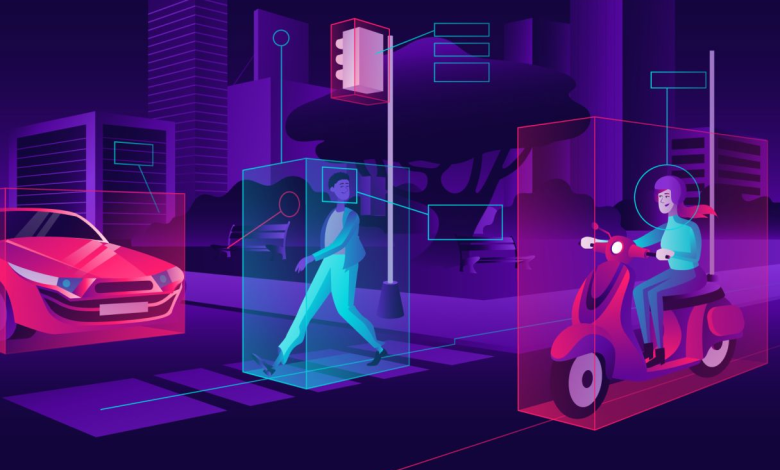
Predictive risk modeling uses artificial intelligence and machine learning to analyze patterns in large datasets and identify potential risks before they escalate.
In the rideshare context, AI systems could analyze:
- Patterns of complaints (even minor ones)
- Repeated low ratings tied to behavioral comments
- Ride route deviations
- Unusual ride cancellations
- Time-of-day risk clustering
- Driver-passenger interaction anomalies
Instead of waiting for a serious incident, the system flags high-risk behavioral patterns early — a potential game-changer for the transportation industry.
How AI Could Prevent Sexual Assault in Rideshare Services
1️⃣ Early Warning Systems
AI can detect subtle warning signals that humans may overlook. A driver receiving multiple small complaints across different passengers might not trigger manual review — but predictive modeling could identify a troubling pattern.
2️⃣ Real-Time Route Monitoring
AI can automatically detect when a driver deviates significantly from the expected route and trigger:
- In-app passenger safety checks
- Automated alerts
- Direct intervention from safety teams
3️⃣ Continuous Driver Monitoring
Rather than a one-time background check, AI could support continuous vetting, integrating:
- Updated criminal records
- Behavioral data trends
- Recurrent passenger feedback analysis
These proactive systems not only help prevent incidents but also reduce the financial risks associated with lawsuits like the Uber Lyft sexual assault lawsuit.
Legal Implications: When AI Becomes Evidence
As lawsuits against Uber and Lyft increase, predictive risk modeling may become central to legal arguments. Key questions may include:
- Did the company have AI systems capable of detecting risk?
- Were warning signals generated but ignored?
- Was predictive data suppressed to protect revenue?
Effective AI implementation could demonstrate proactive safety efforts, while negligence in using predictive tools may amplify liability and financial risks, influencing the rideshare industry’s future.
Ethical and Privacy Concerns
While predictive risk modeling offers preventive potential, it also raises complex issues:
- How much monitoring is too much?
- Could AI disproportionately flag certain demographics?
- Who oversees algorithmic decision-making?
- How transparent should risk scoring systems be?
Balancing safety and privacy will be critical to responsible implementation across the transportation industry.
The Future of AI in Rideshare Safety
The rise in sexual assault lawsuits may push rideshare companies to invest more aggressively in AI-powered safety systems. Predictive risk modeling could become:
- A regulatory requirement
- An industry standard
- A competitive advantage
- A corporate liability risk
Ultimately, if rideshare platforms are built on technology, then technology — particularly AI — must also be central to solving their most serious safety challenges and shaping the rideshare industry’s future.