The global shift toward remote and hybrid work has transformed how businesses operate. Teams are no longer confined to a single office, city, or even country. While this flexibility has created new opportunities for employers and workers alike, it has also introduced new challenges, especially when it comes to payroll management. Paying employees accurately and on time is more complex when workforces are distributed, making payroll technology an essential tool in the modern workplace.
The Rise of Distributed Workforces
Remote and hybrid work models have become permanent fixtures across many industries. Employees may work from home full-time, split their schedules between home and office, or collaborate across different time zones. This diversity requires payroll systems that can adapt to varying schedules, pay structures, and compliance requirements.
Manual payroll processes are no longer sufficient in this environment. Tracking hours, overtime, bonuses, and deductions across multiple locations increases the risk of errors. Payroll technology helps centralize these processes, giving employers greater visibility and control over compensation, regardless of where employees are located.
Automating Payroll for Accuracy and Efficiency
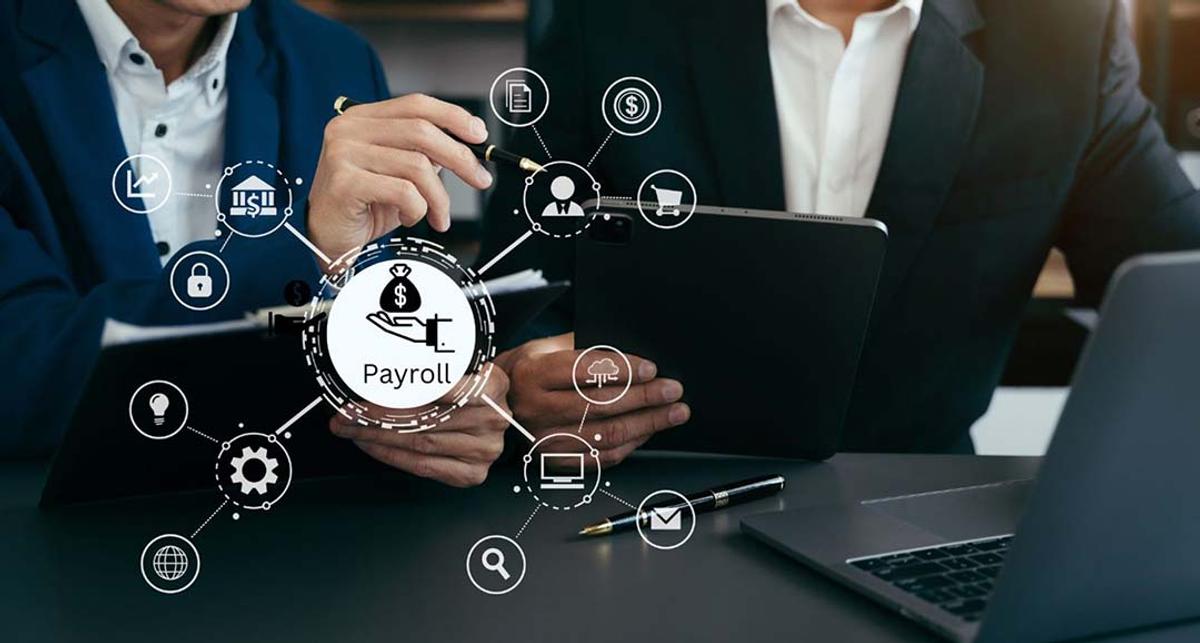
One of the biggest advantages of modern payroll technology is automation. Automated systems reduce the need for repetitive manual tasks such as calculating wages, applying tax rates, and generating reports. This is particularly valuable for remote teams, where delays or miscommunication can easily occur.
Automation also improves accuracy. Payroll errors can lead to employee dissatisfaction, compliance penalties, and reputational damage. Advanced payroll platforms calculate earnings and deductions consistently, ensuring employees are paid correctly, no matter their work arrangement. For businesses managing freelancers, contractors, and full-time staff, automation helps maintain consistency across different worker classifications.
Supporting Compliance Across Regions
Remote and hybrid work often means hiring employees in multiple states or countries. Each jurisdiction comes with its own labor laws, tax rules, and reporting requirements. Keeping up with these regulations manually can be overwhelming.
Payroll technology helps businesses stay compliant by updating tax rates and labor requirements automatically. Many systems are designed to handle multi-location payroll, ensuring the correct deductions and filings are applied for each employee. This reduces the risk of costly compliance errors while allowing businesses to expand their talent pool without added administrative stress.
Enhancing Transparency for Employees
Transparency is critical in a remote work environment where employees do not have direct access to HR offices. Payroll technology gives employees access to digital pay records, allowing them to review earnings, deductions, and payment history at any time.
Employees can easily create pay stubs through secure self-service portals, eliminating the need to request documents from HR. This access builds trust and reduces confusion around compensation. When employees understand how their pay is calculated, they are more likely to feel confident and satisfied with their employer.
Customization for Modern Pay Structures
Remote and hybrid teams often have diverse compensation models. Some employees are paid hourly, others receive salaries, and some earn performance-based bonuses or commissions. Payroll technology allows businesses to adapt to these varied structures with ease.
Many platforms offer customizable paystub templates that reflect different earning types and deductions clearly. This customization is especially useful for businesses that work with contractors or freelancers who may require different documentation for taxes, loans, or personal records. Clear and professional pay documentation improves the employee experience while keeping records organized.
Integrating Payroll With Other Tools
In a digital workplace, payroll does not operate in isolation. Modern payroll systems integrate with time tracking software, accounting platforms, and human resource management tools. These integrations are essential for remote teams, where accurate data sharing reduces manual input and errors.
For example, time tracking tools can automatically feed approved hours into payroll systems, ensuring employees are paid accurately without additional administrative steps. Accounting integrations help finance teams reconcile payroll expenses quickly, improving financial visibility and planning.
Strengthening Data Security
Payroll data contains sensitive employee information, including bank details and personal identifiers. Remote work increases the importance of secure digital systems, as data is accessed from various locations and devices.
Payroll technology providers invest heavily in encryption, access controls, and compliance with data protection standards. Secure cloud-based systems are often safer than spreadsheets or paper records, reducing the risk of data breaches while allowing authorized access from anywhere.
Preparing for the Future of Work
The remote and hybrid work model is not a temporary trend. As businesses continue to embrace flexible work arrangements, payroll technology will play a central role in supporting growth and stability. Scalable payroll systems allow companies to onboard new employees quickly, manage changing regulations, and adapt to evolving compensation strategies.
Investing in the right payroll technology enables businesses to focus on productivity and employee engagement rather than administrative complexity. In a world where work happens everywhere, payroll systems must be just as flexible and reliable.
Final Thoughts
Payroll technology has become a cornerstone of successful remote and hybrid workplaces. By automating processes, supporting compliance, enhancing transparency, and improving security, modern payroll solutions help businesses navigate the complexities of a distributed workforce. As work continues to evolve, organizations that embrace advanced payroll tools will be better positioned to attract talent, maintain compliance, and build trust with their teams.