

WSSA’s Endangered Species Act expert shares ways to stay in compliance
WESTMINSTER, Colo., Feb. 18, 2026 /PRNewswire/ — New Endangered Species Act (ESA) label requirements continue this year as herbicides gradually make their way through the Environmental Protection Agency (EPA) registration and re-registration approval process. To help farmers and weed-control professionals navigate these new requirements, the Weed Science Society of America (WSSA) and its member scientists have collaborated with affiliate organizations to develop a variety of tools and resources, including their assistance with a new, four-part Adapting to ESA Video Series.
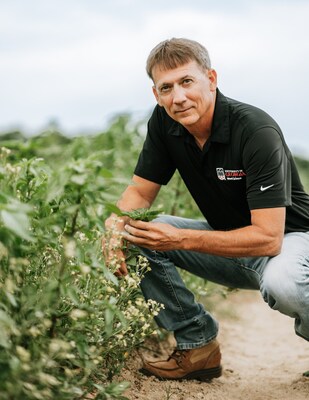
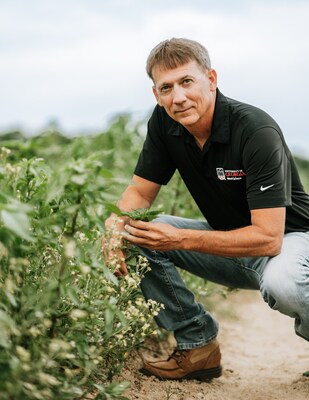
The fourfold video series features Stanley Culpepper, Ph.D., University of Georgia Extension Weed Scientist, and WSSA’s past president and current ESA committee member, sharing ways to stay in compliance with new ESA requirements. The video series was developed by CropLife America, in partnership with the Agricultural Retailers Association and the Council of Producers and Distributors of Agrotechnology.
“These videos provide excellent, step-by-step guidelines to understand what you need to do to follow the new ESA label requirements and to optimize protections for endangered species,” says Bill Chism, Ph.D., a retired EPA official and WSSA’s current Endangered Species Act committee chair. “In total, they are a great resource to learn about the new requirements and how to implement mitigation efforts to comply with them.”
The series covers the following topics:
All four videos can be accessed here.
The videos include general information about the ESA mitigations and new requirements to check the EPA Bulletins Live! Two website to determine if a planned field application with a specific herbicide is located within a Pesticide Use Limitation Area, or PULA, and if so, what mitigations are required within the PULA. “The series also highlights new label requirements to help reduce spray drift, and a new requirement to check if your fields qualify for additional mitigations to avoid runoff or erosion, and if so, how many mitigations are required,” adds Chism. “Mitigation options include vegetative filter strips, cover cropping, and no-till practices, among others.”
Established in 2022, WSSA’s ESA Committee provides research data to regulators to help develop effective, science-based, and practical protection strategies. To learn more about WSSA and its resources related to ESA, visit: https://wssa.net/endangered-species/. Additional information on herbicide use related to ESA requirements, including a running list of affected herbicides, can be found on a new Take Action website from the Soy Checkoff and GROW (Getting Rid of Weeds) Network: https://growiwm.org/take-action-esa/.
About the Weed Science Society of America
The Weed Science Society of America is a nonprofit scientific society, founded in 1956 to encourage and facilitate the development of knowledge concerning weeds and their impact on the environment. The Society promotes research, education and extension outreach activities related to weeds, provides science-based information to the public and policy makers, fosters awareness of weeds and their impact on managed and natural ecosystems, and strengthens cooperation among weed science organizations across the nation and around the world. For more information, visit www.wssa.net.

 View original content to download multimedia:https://www.prnewswire.com/news-releases/new-video-series-provides-esa-herbicide-label-guidelines-302691552.html
SOURCE Weed Science Society of America

