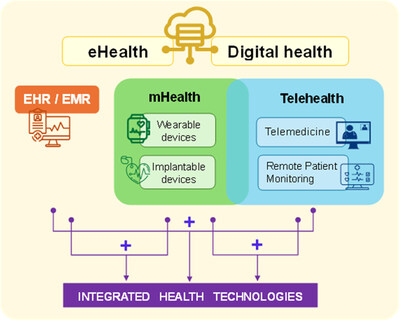
WASHINGTON, Jan. 27, 2026 /PRNewswire/ — A new scientific statement provides clinicians with practical guidance on how to integrate digital health tools into everyday heart failure care – moving beyond isolated devices toward coordinated, team-based, and actionable systems of care. Published jointly on January 27, 2026 by the Heart Failure Society of America and the American Association of Heart Failure Nurses, “Integrated Health Technologies in Heart Failure” outlines how clinicians can implement interoperable digital tools that support clinical decision-making, streamline workflows, and enable timely responses to patient data.
Why Integrated Health Technologies Matter for Clinicians
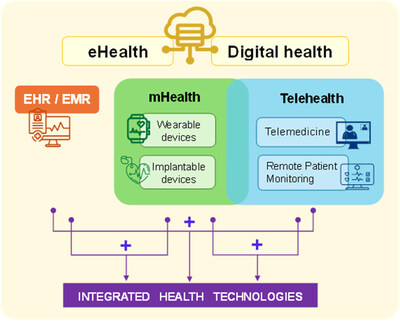
Rather than focusing on individual technologies in isolation, the statement emphasizes how integrated health technologies (IHT) can be embedded into existing care pathways, linking remote monitoring, electronic health records, and interdisciplinary teams to translate patient-generated data into meaningful clinical action.
“This statement is designed to help clinicians move from simply collecting data to actually using it to guide care,” said Mia Cajita, PhD, RN, co-lead author of the statement. “An integrated approach where data flows seamlessly, care teams know who is responsible for monitoring and response, and patients receive timely feedback, represents a paradigm shift from device-centered solutions to system-level digital care.”
What the Evidence Shows About Digital Health in Heart Failure
The statement reviews evidence across a range of technologies, including traditional telemonitoring, mobile health–based remote monitoring, and implantable devices, while identifying why many programs fall short in real-world practice. The authors highlight that outcomes improve only when digital data are paired with defined workflows, clinician accountability, and rapid clinical response -such as medication titration, follow-up calls, or care plan adjustments.
How Clinicians Can Implement Integrated Health Technologies in Practice
To support implementation, the statement outlines strategies for incorporating IHT into routine practice, including:
- Establishing clear protocols for alert triage
- Leveraging interdisciplinary teams to distribute workload
- Integrating patient-generated data into EHR dashboards
- Training clinicians and patients to support sustained engagement.
Special attention is given to reducing disparities through device-lending programs, low-tech options, and targeted patient education.
Future Research Priorities to Improve Scalability and Sustainability
The authors also identify priorities for future research, including machine learning–based alert triage, predictive modeling, automation to reduce clinician burden, and evaluation of cost-effectiveness to support scalability and reimbursement.
The Integrated Health Technologies in Heart Failure: A Scientific Statement from the Heart Failure Society of America and American Association of Heart Failure Nurses is published in the Journal of Cardiac Failure (JCF), available online at www.onlinejcf.com.
Key Highlights from the Statement:
- Interoperability is key. Seamless data flow between devices, EHRs, and clinicians is the foundation of integrated care.
- Remote monitoring works best when clinicians respond with timely, actionable feedback, not just data uploads.
- The greatest benefits occur among patients with recent HF hospitalizations or advanced NYHA class. Stable, well-compensated patients may derive limited benefits from intensive monitoring.
- Patient engagement drives success. Adherence ≥ 70% linked to lower hospitalizations and mortality (OSICAT trial), which underscores the importance of empowering patients with feedback, tech support, and easy-to-use tools.
- Leverage interdisciplinary teams. Physicians, nurses, pharmacists, and social workers play a central role in monitoring, triage, therapy optimization, and patient education.
- Future research should explore machine learning-based alert triage, predictive modeling, and automated decision support to reduce clinician burden and enhance scalability.
In addition to reviewing the guidance found within the statement, clinicians can use the Top Ten Take-Home Messages slide deck, designed by the statement’s lead author, as a quick reference guide, available on the hfsa.org website.
View all HFSA published scientific statements, guidelines and other clinical documents.
About the Heart Failure Society of America
The Heart Failure Society of America, Inc. (HFSA) represents the first organized effort by heart failure experts from the Americas to provide a forum for all those interested in heart function, heart failure, and congestive heart failure (CHF) research and patient care. The mission of HFSA is to provide a platform to improve and expand heart failure care through collaboration, education, innovation, research, and advocacy. HFSA members include physicians, scientists, nurses, nurse practitioners, pharmacists, trainees, other healthcare workers and patients. For more information, visit hfsa.org.
About the Journal of Cardiac Failure
The Journal of Cardiac Failure (JCF) publishes the highest quality science in the field of heart failure with a focus on diversity, equity, and inclusion, mentorship, multidisciplinary partnerships, and patient-centeredness. Published papers span original investigator-initiated work to state-of-the-art reviews, guidelines and scientific statements, expert perspectives, early career and trainee spotlight pieces, patient and patient-partner narratives. JCF also emphasizes the power of language and prioritizes innovative approaches to dissemination of published work to reach and impact the broader heart failure community.
About the American Association of Heart Failure Nurses
The American Association of Heart Failure Nurses (AAHFN) is a specialty organization dedicated to advancing nursing education, clinical practice and research to improve heart failure patient outcomes. The organization’s goal is to set the standards for heart failure nursing care. Learn more.
Media Contact: Laura Poko, 301-798-4493, ext. 226, [email protected]

 View original content to download multimedia:https://www.prnewswire.com/news-releases/new-scientific-statement-guides-clinicians-on-how-to-integrate-digital-health-tools-into-heart-failure-care-302671496.html
SOURCE Heart Failure Society of America