In the fast-paced world of global trade, traditional email outreach is steadily losing ground to instant messaging. For B2B marketers and export teams, Telegram has emerged as a primary channel for communicating with clients and partners due to its high delivery speeds and ability to support large file transfers. However, as organizations scale their operations from a few contacts to thousands of potential leads, the limitations of operating manually on standard mobile devices become painfully obvious.
Teams relying on physical phones often struggle with low efficiency, high error rates, and the constant risk of account restrictions. What works for a freelancer does not work for an enterprise; the industry is now moving away from these manual methods toward professional software designed to manage Telegram operations systematically.
Solving the Multi-Account Challenge
The most significant hurdle for growing marketing teams is managing multiple accounts safely. To increase outreach volume, sales representatives often need to operate several accounts simultaneously. However, logging into multiple accounts on a single device or sharing the same network connection often triggers Telegram’s security filters. This leads to “chain bans,” where one flagged account causes the suspension of the entire team’s assets.
Modern automation tools solve this by creating independent, isolated environments for each account. By configuring specific, static proxies for every session, businesses can ensure that their sales accounts appear to be operating from distinct, legitimate locations. This technical stability is the foundation of any successful campaign, ensuring that your marketing infrastructure remains secure even when operating at scale.
Centralized Management for Better Efficiency
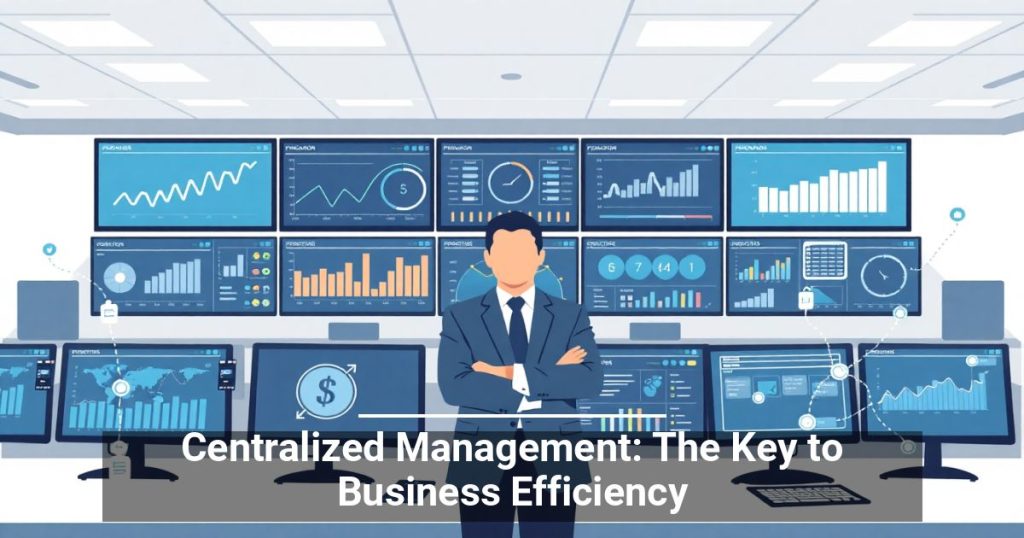 Beyond security, operational efficiency is the key driver for adoption. When a team manages dozens of communities or hundreds of direct conversations, manual monitoring becomes impossible. Messages get lost, and response times lag, which can be fatal for B2B conversion rates.
This is why effective telegram group management is critical for sustainable growth. Specialized platforms allow marketers to control all groups and chats from a single, unified dashboard. Instead of switching between tabs, a team can schedule broadcasts to hit specific time zones, automatically filter out spam bots that clutter professional discussions, and assign specific conversations to different team members. This centralized approach ensures that every lead gets a timely, professional response, regardless of the volume of incoming traffic.
Data Ownership and Business Continuity
Finally, professional teams are prioritizing data control and business continuity. In a manual workflow, valuable chat history and client details are often stored on a temporary mobile device or a personal account. If a device is lost or a sales representative leaves the company, that business intelligence is lost forever.
Automated systems address this by providing local data backup features. This means important customer details, interaction logs, and contact lists are saved securely on your local infrastructure. This shifts the ownership of data from the individual employee back to the enterprise, protecting your business assets from accidental loss or turnover.
In summary, the transition to automated tools is not just a trend; it is a necessary evolution. For businesses looking to scale their Telegram marketing seriously, adopting a secure, centralized infrastructure is the only way to ensure consistent growth.