
Engineering teams run large and complex systems today. Microservices expand every quarter. Clusters grow across regions and multiple cloud accounts. Deployments increase as teams push features faster. Every small inefficiency becomes an expensive problem at scale. SREs, DevOps engineers, platform teams, and FinOps leads feel this pressure every day.
Developers want systems that perform well under load. They want predictable spend, stable latency, and fewer production issues. They want simple ways to spot inefficiencies before they turn into waste and incidents. This is why Kubernetes optimization is now a core part of engineering strategy.
A recent industry study shows an 8× gap between requested and actual CPU use across typical workloads. Another report found that clusters operate at only 13 to 25 percent CPU utilization and 18 to 35 percent memory utilization throughout the year. These numbers show the scale of waste that hides behind everyday deployments. They also show the potential impact of better engineering practices.
This guide explains how developers can improve Kubernetes efficiency with modern patterns, automation, and continuous improvement workflows.
Why Kubernetes Efficiency Matters More Than Ever in 2025
Modern architectures rely on microservices, event driven patterns, containers, and multi-cluster setups. Each service adds new dependencies. Each deployment changes resource patterns. This creates a constant flow of small variations that affect cost, performance, and reliability.
Infrastructure complexity grows faster than team capacity. Manual inspection is no longer enough. Teams cannot afford to adjust resource limits manually for hundreds of workloads. Traffic and usage patterns shift daily, sometimes hourly. Developers often introduce waste during routine delivery without noticing it.
Hidden inefficiencies appear when developers pad CPU or memory requests for safety. They also appear when teams copy resource limits from older versions or other services. These outdated settings stay for weeks or months. The waste increases over time.
Manual tuning does not scale. Real-time workloads need fast and precise adjustments. This includes responsive scaling, dynamic resource modeling, and better visibility into the impact of new releases.
Teams now expect continuous efficiency. Quarterly audits are too slow. Weekly tuning is not enough. Developers need systems that maintain efficiency at all times.
The shift from infrastructure-led optimization to developer-led ownership
In the past, infrastructure teams owned performance and cost decisions. Today, these decisions start at the application layer. Developers own the code and the resource envelopes that support that code. A small choice made during development can change the entire cost profile of a cluster.
Developer-led ownership means writing efficient functions, managing concurrency, and planning for peak traffic. It also means checking memory growth, CPU spikes, and event patterns early in the cycle.
High performing teams adopt an efficiency-by-default culture. They plan for resource accuracy before release. They measure impact during release. They monitor patterns after release. This creates a stable and predictable environment for the entire engineering group.
Common Efficiency Gaps Developers Overlook in Kubernetes
Many inefficiencies hide inside routine development habits. They slip into production without notice. Below are the patterns that appear most often in teams with large microservice fleets.
1. Overprovisioned workloads and inflated resource requests
Developers often set resource requests to avoid risk. They increase CPU and memory to prevent throttling or out-of-memory restarts. Over time, these inflated values stay in production. At scale, this becomes expensive.
2. Ineffective autoscaling rules
Many teams use static thresholds. These thresholds rarely match real application behavior. They react too slowly to traffic spikes and too aggressively to short bursts. This leads to unnecessary pod creation or high latency during load.
3. Latency spikes caused by poor release validation
A release may introduce a small memory leak or a slow path in the code. If teams do not test these patterns before deployment, they show up as latency spikes in production. These spikes affect user experience and downstream systems.
4. Workloads with unstable memory or CPU patterns
Some workloads show unpredictable behavior. They may run well under normal traffic conditions, but degrade under specific conditions. These unstable patterns create imbalance across nodes and impact cluster reliability.
5. The gap between observability data and real optimization
Observability tools provide metrics. They show CPU use, memory trends, latency, and error rates. They show when a service is unhealthy. They show when a pod restarts. However, they do not offer a direct path to improvement.
Metrics describe problems. They do not fix them.
Modern Kubernetes Optimization Strategies Developers Should Adopt
Efficient Kubernetes environments rely on modern engineering practices. These strategies deliver consistent improvements across workloads of all sizes.
1. Integrating performance profiling earlier in the pipeline
Performance tests should run before release. Developers can use profiling tools to detect memory leaks, slow functions, blocking code, and inefficient patterns. Early detection prevents issues from reaching production.
2. Using predictive scaling instead of reactive autoscaling
Reactive autoscaling responds after a spike. Predictive scaling anticipates load based on real trends. It prepares the system before the peak. This reduces cold starts and latency. It also prevents unnecessary scale-outs during brief bursts.
3. Resource modeling based on actual application behavior
Developers should model CPU and memory based on real usage. This requires analysis of historical data. It also requires an understanding of peak patterns and concurrency levels. Accurate modeling prevents overprovisioning.
4. Using release intelligence to prevent regressions
Release intelligence tools to show the impact of each deployment. They show whether a release increases resource use. They show that if latency grows. They show whether memory patterns change. This helps teams block inefficient deployments before they go live.
5. Autonomous optimization and why it is becoming a default
Autonomous optimization uses machine learning to read usage patterns. It detects inefficiencies and proposes improvements. It applies updates safely and tests them in real time. This reduces manual work and improves reliability.
Autonomous engines scan CPU peaks, memory waves, request patterns, and traffic bursts. They generate correct limits and autoscaling rules. They apply them without human delay.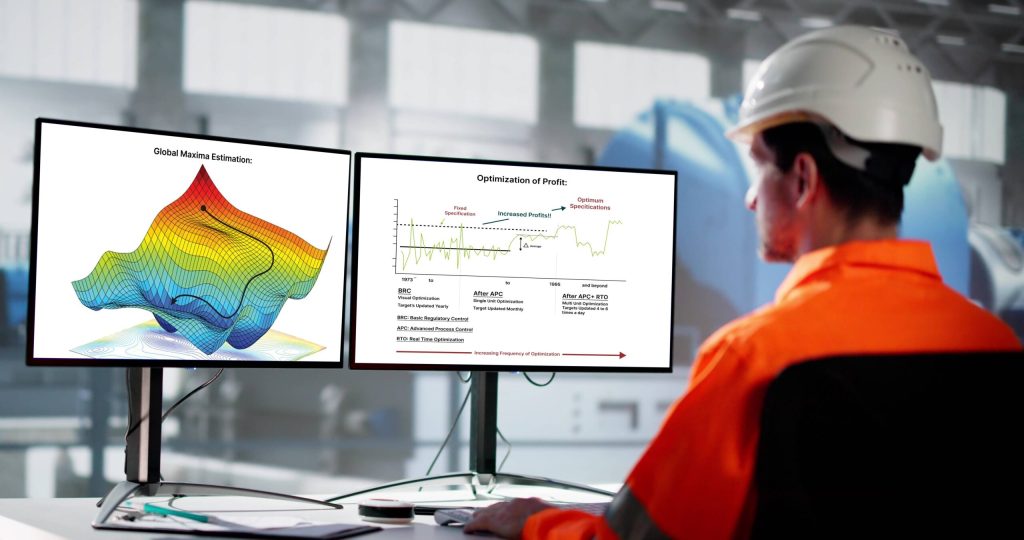
Real-World Scenarios Where Optimization Delivers Immediate Wins
Below are examples of how small changes can produce significant results.
1. Cutting resource waste on periodic or bursty workloads
Some workloads run heavy traffic during specific hours. Others receive short bursts from batch jobs. Accurate scaling reduces waste during quiet periods. Predictive scaling ensures stability during busy periods.
2. Stabilizing high memory services without manual patching
Memory-heavy services often crash during load. Developers spend hours patching these issues. Automated optimization adjusts memory settings based on real patterns. This removes the need for manual intervention.
3. Preventing noisy neighbor effects in shared clusters
A single service can consume CPU bursts and starve other workloads. Optimization tools detect these patterns and adjust limits. This protects cluster health and improves fairness across services.
4. Improving user experience by reducing tail latency
Tail latency affects real user experience. It appears during slow code paths or peak traffic. Resource improvements can reduce latency across long tail requests. This creates smoother performance for end users.
5. What high-performing teams do differently
High-performing teams test resource envelopes on a continuous basis. They use synthetic tests. They use shadow traffic. They run controlled load tests during the week. This creates predictable performance.
They validate releases for cost and reliability impact. They block deployments that increase resource use without reason. This prevents long-term waste and drift.
Tools and Techniques Developers Use to Automate K8s Efficiency
Automation delivers better results than manual tuning. It also removes the pressure from SRE and platform teams.
1. Using cluster intelligence to size pods dynamically
Cluster intelligence tools track pod patterns across days and weeks. They generate recommendations that reflect real use. They adjust pod sizes dynamically based on new data.
2. Applying node-level and application-level optimization simultaneously
Some issues appear at the node level. Others appear at the workload level. Teams need tools that fix both. Node optimization controls scheduling and allocation. Application optimization controls limits and requests.
3. Automating remediation for crash loops, OOMs, and degraded services
Automation can detect crash loops, memory exhaustion, and degraded services. It can apply temporary fixes until developers push a permanent change.
4. Aligning autoscaling with SLOs instead of raw metrics
SLOs describe user expectations. Autoscaling should support these expectations. This creates better alignment between reliability and cost.
5. Balancing autonomy with developer control
Automation is powerful, but developers need control. They decide when automation acts instantly. They decide when staged rollouts are safer. This protects production from risky changes.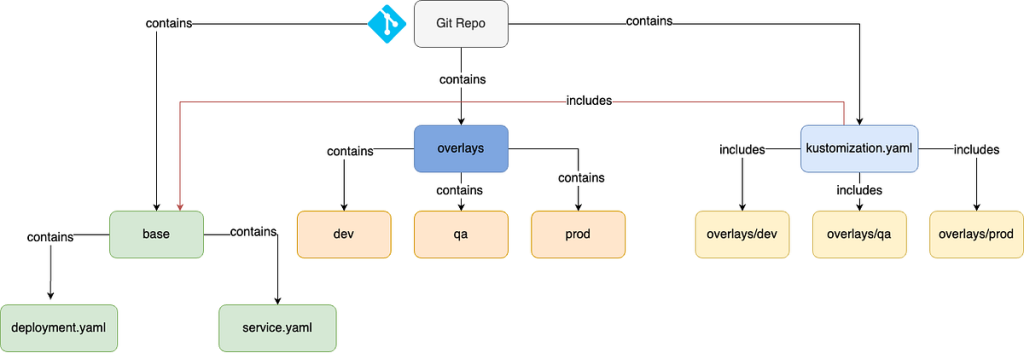
Building a Developer Workflow That Keeps Kubernetes Efficient Long Term
Long-term efficiency relies on stable and repeatable workflows.
1. Embedding efficiency checks into CI and CD
CI pipelines should check resource definitions. They should warn developers when limits are inaccurate. CD pipelines should block releases that introduce waste.
2. Adding guardrails that prevent inefficient deployments
Guardrails include limit checks, cost checks, and performance checks. These guardrails stop inefficient setups before they reach production.
3. Establishing performance budgets per service
Each service should have a CPU, memory, and latency budget. These budgets guide developers during feature work.
4. Creating feedback loops for developers after every deploy
Developers need feedback after release. This includes latency changes, cost changes, and resource trends. These insights help them improve future releases.
5. Designing pipelines that learn and adapt over time
Optimization engines improve with historical data. They learn patterns across releases. They learn peaks and troughs. Pipelines use this learning to provide better efficiency over time.
Static configuration does not improve. Adaptive pipelines do.
Conclusion: Kubernetes Optimization as a Competitive Advantage
Efficient Kubernetes systems help teams ship faster and operate with more confidence. They improve performance. They reduce waste. They create stable and predictable environments for users.
Kubernetes optimization provides developers with a path to improved reliability and cost control. Modern teams build this into their workflows and pipelines. They combine innovative engineering with automation. They reduce toil and prevent drift.
The result is a stronger engineering culture and a faster path to delivery.