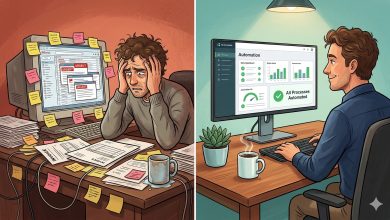
The landscape of visual arts and creative design is undergoing a dramatic transformation as artificial intelligence reshapes how we conceptualize and produce imagery. What once required hours of manual work, specialized software expertise, and advanced technical skills can now be accomplished in minutes through AI-powered tools that translate imagination directly into visual form.
AI image generation has rapidly gained traction among graphic designers, marketing professionals, and creative enthusiasts who recognize its potential to streamline workflows while unlocking new creative possibilities. These intelligent systems don’t just automate existing processes—they introduce entirely new approaches to visual storytelling and design exploration that were previously impossible or impractical.
This article examines sophisticated AI image generators that stand at the forefront of this technological revolution. We’ll uncover how these platforms empower users to transform text descriptions into compelling visuals, explore their distinctive capabilities, and demonstrate practical applications that can elevate your creative projects regardless of your experience level.
Understanding AI Image Generation
AI image generation represents a fundamental shift in how visual content comes to life. At its core, this technology employs sophisticated neural networks trained on millions of images to understand the relationship between language and visual elements. When you provide a text description, the AI analyzes the words, interprets their meaning, and synthesizes entirely new images that match your vision—no stock photos or templates required.

The process begins with natural language processing that decodes your prompt, identifying subjects, styles, colors, moods, and compositional elements. The system then leverages its learned understanding of visual patterns to construct images pixel by pixel, creating original artwork that didn’t exist before. This capability extends beyond simple object recognition to encompass abstract concepts, artistic styles, and complex scenes with multiple interacting elements.
Graphic designers benefit from rapid prototyping capabilities that accelerate concept development and client presentations. Digital artists discover new creative directions by experimenting with combinations they might never have considered manually. Marketing professionals generate custom visuals tailored to specific campaigns without lengthy photoshoots or expensive stock image licenses. The technology serves as both a practical production tool and a creative collaborator, offering suggestions and variations that can spark unexpected inspiration.
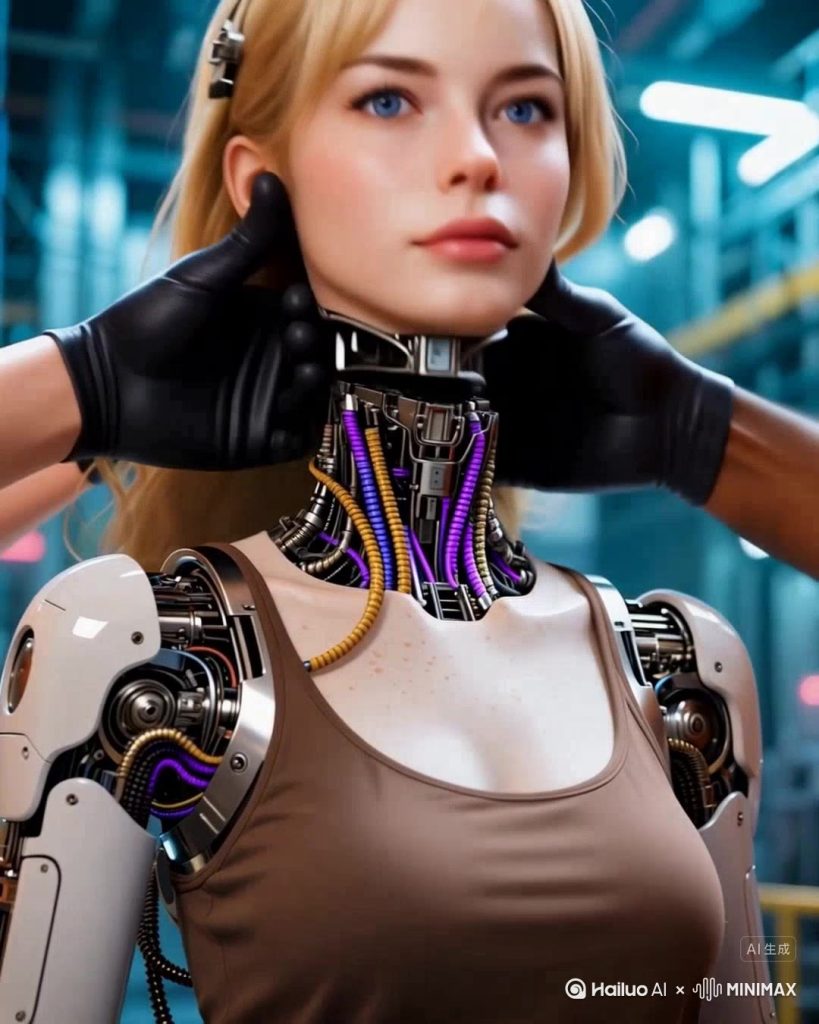
What distinguishes modern AI image generators from earlier automated tools is their understanding of context and nuance. They grasp that “a sunset over mountains” differs fundamentally from “a dramatic sunset casting long shadows across jagged mountain peaks,” and they translate these subtleties into visual form with remarkable accuracy.
Key Features of Advanced AI Image Generators
Leading AI platforms distinguish themselves through comprehensive suites of capabilities designed to meet the diverse needs of creative professionals. Advanced text-to-image conversion engines interpret detailed prompts with exceptional precision, allowing users to specify not just subjects but also lighting conditions, perspectives, artistic movements, and emotional tones. Whether you need photorealistic renderings for product mockups or stylized illustrations for brand storytelling, these systems adapt to your creative vision with minimal iteration.
Image editing and enhancement tools extend beyond initial generation, offering refinement options that let you adjust composition, modify specific elements, or regenerate portions of an image while preserving the rest. This targeted editing capability proves invaluable when a generated image comes close to your vision but requires subtle adjustments—you can tweak details without starting from scratch.
Customizable styles and themes provide creative direction through predefined aesthetic frameworks spanning everything from minimalist flat design to baroque opulence. These style presets serve as starting points that you can further personalize, ensuring consistency across multiple images for cohesive brand campaigns or project series. The system learns from your selections, gradually understanding your preferences to deliver increasingly relevant results.
Collaboration tools facilitate teamwork by enabling shared workspaces where multiple users can contribute prompts, review generated options, and provide feedback within a unified environment. Design teams can iterate collectively without the fragmentation that typically occurs when creative assets scatter across email threads and messaging platforms. Version history tracking ensures you never lose promising directions, while commenting features streamline approval workflows between designers and stakeholders.
Step-by-Step Guide to Using AI Image Generation Platforms
Getting started with AI image generation platforms requires just a few straightforward steps that will have you generating professional-quality images within minutes. First, sign up for an account by visiting your chosen platform and completing the registration process with your email address. The interface welcomes you with an intuitive dashboard that organizes tools logically, making navigation effortless even for first-time users.
Once logged in, you’ll encounter two primary workflows depending on your starting point. For pure text-to-image creation, navigate to the generation tool and enter a descriptive prompt in the text field. Be specific about what you want—instead of “a dog,” try “a golden retriever puppy playing in autumn leaves, warm afternoon sunlight, photographic style.” The more detail you provide about subject, setting, mood, and aesthetic, the more accurately the AI will interpret your vision.
If you’re working from an existing image that needs enhancement or transformation, upload your file using the designated upload button. The platform accepts standard image formats and processes uploads quickly. From there, you can apply style transfers, request variations on the theme, or use text prompts to describe modifications you want applied to the original image.
After the AI generates your image—typically within seconds—you enter the customization phase where refinement happens. Use the editing tools to adjust elements that don’t quite match your expectations. You might regenerate the background while keeping the foreground subject, modify color palettes, or request alternative compositions. Experiment with different style presets to see how they transform your base image, discovering creative directions you might not have initially considered.
When satisfied with your creation, download the final image in your preferred resolution and format. Most platforms offer various export options suitable for different applications, from web-optimized files for digital marketing to high-resolution versions for print materials. Save your prompts and settings for future reference, building a personal library of successful formulas that you can adapt for subsequent projects. This systematic approach transforms occasional experimentation into a reliable creative workflow that consistently delivers quality results.
Creative Applications of AI Image Generation
AI image generation technology has permeated virtually every creative industry, offering practical solutions that address real-world challenges while opening new avenues for artistic expression. In graphic design and branding, agencies leverage these tools to develop multiple logo concepts rapidly, create mood boards that capture client visions with precision, and generate custom illustrations that align perfectly with brand guidelines. A startup can visualize its brand identity across dozens of variations in an afternoon rather than waiting weeks for traditional design iterations, accelerating the path from concept to market launch.
Advertising and marketing campaigns benefit enormously from the ability to produce tailored visuals for segmented audiences without proportional increases in budget or timeline. Marketing teams generate localized imagery that resonates with specific demographics, test multiple creative directions simultaneously through A/B testing with unique visuals for each variant, and produce seasonal campaign assets that maintain brand consistency while adapting to changing themes. Social media managers create fresh, engaging content daily without depleting stock photo budgets or scheduling elaborate photoshoots, maintaining audience engagement through visual variety.
The fashion and beauty industries employ AI image generation for virtual product visualization, allowing customers to see how garments might look in different colors or patterns before manufacturing begins. Designers explore unconventional textile patterns and accessory combinations, pushing creative boundaries without the material costs of physical prototyping. Beauty brands generate diverse model representations showcasing products across various skin tones and features, promoting inclusivity while managing production expenses efficiently.
Art and entertainment sectors embrace these tools as collaborative partners rather than replacements for human creativity. Concept artists for film and gaming projects generate environmental designs and character studies that inform production teams, while independent creators produce book covers, album artwork, and promotional materials that compete aesthetically with traditionally produced alternatives. Platforms like HailuoAI have made these capabilities accessible to museums and cultural institutions, which create educational materials and interactive exhibits that visualize historical scenes or artistic movements, making abstract concepts tangible for broader audiences. The technology serves as a democratizing force, granting smaller creators access to visual production capabilities previously reserved for well-funded studios through tools like AI image generator from image features.
Embracing the Future of Visual Creativity
AI image generation has fundamentally transformed the creative landscape, offering professionals and enthusiasts alike a powerful means to bring visual concepts to life with unprecedented speed and flexibility. This technology doesn’t diminish the value of human creativity—rather, it amplifies creative potential by handling technical execution while freeing designers to focus on conceptual innovation and strategic thinking.
Modern AI platforms exemplify the maturity of this technology, providing accessible yet sophisticated tools that serve diverse creative needs across industries. Their intuitive interfaces combined with advanced features like precise text-to-image conversion, collaborative workspaces, and extensive customization options make professional-grade image generation available to users regardless of their technical background or artistic training.
By integrating the approaches and techniques outlined throughout this article into your creative workflow, you position yourself to work more efficiently, explore bolder creative directions, and deliver compelling visual content that resonates with your audience. The future of creative design lies not in choosing between human artistry and artificial intelligence, but in mastering their collaboration to achieve results neither could accomplish alone.