The traditional B2B prospecting playbook is broken. Sales teams spend countless hours chasing LinkedIn leads, attending networking events, and buying overpriced contact lists—only to discover that their ideal customers are hiding in plain sight, right in their local market.
Local prospecting has become the overlooked goldmine of B2B sales. While companies obsess over national campaigns and digital outreach at scale, they’re missing the businesses within their own geographic footprint that need their solutions today, not six months from now.
The Geographic Advantage Nobody Talks About
There’s a psychological principle at work in local B2B relationships that Silicon Valley has largely forgotten: proximity breeds trust. When you can meet a prospect for coffee within 20 minutes, when you understand their regional challenges because you face them too, when you share the same business ecosystem—the sales cycle compresses dramatically.
Yet most sales organizations approach local prospecting with the same spray-and-pray tactics they use for national campaigns. They’re bringing a shotgun to a situation that requires a scalpel.
Building Your Local Prospect Database From Scratch

The foundation of any effective local prospecting strategy is data—accurate, current, and comprehensive. Traditional methods involve hours of manual research, copying information from directories, or purchasing lists that are outdated before the ink dries on your credit card receipt.
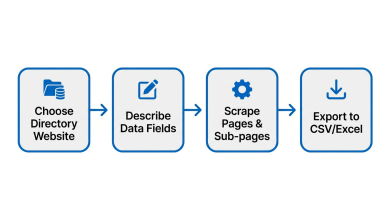
Modern sales teams are taking a different approach. By leveraging tools like ScraperCity’s Google Maps data extraction tool, they’re building targeted prospect lists in minutes instead of weeks. The key is identifying the right search parameters: industry keywords, geographic boundaries, and business characteristics that match your ideal customer profile.
But raw data is only the beginning. The businesses you identify need verification, enrichment, and context before they become actionable prospects.
The Three-Tier Local Prospecting Framework
Effective local B2B prospecting operates on three distinct tiers, each requiring different tactics and timeframes.
Tier One: Immediate Opportunity
These are businesses showing active buying signals right now. They’ve recently expanded, hired key personnel, secured funding, or announced initiatives that align with your solution. Your prospecting system needs to identify these signals quickly—ideally within days of the trigger event occurring.
The challenge isn’t finding these businesses; it’s finding the right contact information for decision-makers. Generic info@ email addresses and switchboard phone numbers won’t cut it. You need direct lines to the people with budget authority.
Tier Two: Strategic Positioning
The second tier consists of businesses that fit your ideal customer profile but aren’t showing immediate buying signals. These require a longer nurture cycle but represent stable pipeline opportunities. Your approach here should focus on becoming a known quantity before they enter the buying cycle.
Local visibility matters enormously at this tier. Sponsoring relevant local business events, contributing to regional publications, and maintaining an active presence in local business communities keeps your company top-of-mind when needs arise.
Tier Three: Market Intelligence
The third tier is often overlooked but strategically valuable: businesses you’re monitoring for future opportunity. Maybe they’re currently locked into contracts with competitors, going through leadership transitions, or not yet mature enough for your solution. Tracking these organizations provides early warning when circumstances change.
Verification Before Outreach
Here’s where most local prospecting efforts fail: sales reps launch outreach campaigns with unverified contact information, leading to bounce rates above 30% and damaged sender reputations.
Before any prospect enters your outreach sequence, their contact information needs validation. Free verification tools have made this step accessible even for teams without enterprise software budgets. The five minutes spent verifying an email address saves hours of follow-up confusion and protects your domain reputation.
This verification step is especially critical for local prospecting, where your company’s reputation in the regional business community is an asset you can’t afford to squander with sloppy outreach.
Personalization at Scale for Local Markets
The promise of local prospecting is that proximity enables personalization. But how do you personalize outreach when you’re contacting 50 local businesses per week?
The answer lies in pattern recognition. Businesses in the same local market face similar challenges: regional regulations, local competition, shared economic conditions, and community-specific opportunities. Your outreach messaging can reference these common factors while still feeling personalized.
Effective local prospecting messages often include references to shared connections, local events, regional news affecting their industry, or specific observations about their business that demonstrate you’ve done your homework. This level of personalization takes minutes per prospect, not hours, when you develop message frameworks built around local context.
The Local Prospecting Technology Stack
You don’t need a six-figure software budget to build an effective local prospecting operation. The technology stack for most successful teams includes just a handful of tools: something for prospect identification, contact verification, outreach automation, and activity tracking.
The critical factor isn’t the sophistication of your tools but the consistency of your process. Teams that prospect locally every day, even for just an hour, vastly outperform those who conduct sporadic campaigns when pipeline gets thin.
Measuring What Matters in Local Prospecting
Traditional prospecting metrics—emails sent, calls made, meetings booked—tell an incomplete story for local efforts. Because local markets are finite, you need to track market penetration: what percentage of your addressable local market have you contacted? How many are in active conversations? What’s your win rate compared to non-local opportunities?
These metrics shift your mindset from transactional prospecting to strategic market development. You’re not just filling pipeline; you’re systematically becoming the dominant player in your local market.
The Compounding Returns of Local Market Dominance
Here’s what changes when you become known in your local B2B market: prospects start coming to you. Referrals flow naturally between businesses in the same geographic network. Your local case studies become powerful social proof because prospects can drive past your customers’ offices.
This compounding effect is why local prospecting deserves to be a dedicated strategy, not an afterthought. The businesses in your backyard aren’t just easier to reach—they’re the foundation of sustainable, profitable growth that doesn’t depend on the next marketing campaign or sales hire.
Most B2B companies will continue overlooking their local markets, chasing the mirage of scale while ignoring the opportunities within a 50-mile radius. The companies that embrace systematic local prospecting will quietly build dominant market positions that become nearly impossible to disrupt.