In the age of artificial intelligence, cybersecurity threats are becoming more sophisticated — but so are security solutions. If you’re asking, “Is Shopify safe?”, the answer is yes — and even more so when you consider how AI strengthens Shopify security across its ecosystem.
Today’s online businesses don’t just need basic encryption. They need intelligent fraud detection, automated monitoring, and adaptive protection systems. Many brands work with experts like Transform Agency to combine Shopify’s built-in security with AI-driven optimization and risk management strategies.
Let’s explore how Shopify security works — and how artificial intelligence makes it even stronger.
🤖 How AI Enhances Shopify Security
Shopify integrates automation and machine learning technologies into its infrastructure to detect threats, analyze behavior, and protect merchants in real time.
AI improves Shopify security in several key areas:
1️⃣ AI-Powered Fraud Detection
Shopify uses machine learning models to analyze transaction behavior patterns.
This includes:
- IP address analysis
- Device fingerprinting
- Purchase behavior monitoring
- Geolocation comparisons
- Risk scoring algorithms
When suspicious activity is detected, Shopify flags the transaction before fulfillment, reducing chargebacks and fraud losses.
2️⃣ Smart Payment Security Systems
Shopify is PCI DSS Level 1 compliant, the highest level of payment security certification.
AI enhances this by:
- Monitoring unusual transaction velocity
- Identifying abnormal checkout behavior
- Detecting bot-driven purchase attempts
- Blocking automated card-testing attacks
These AI systems continuously learn from global transaction data, improving over time.
🔐 Core Shopify Security Infrastructure
Even without AI, Shopify provides enterprise-grade security:
✔ SSL Encryption
All Shopify stores include:
- Free SSL certificates
- HTTPS encryption
- 256-bit encryption standard
This protects sensitive customer information during transmission.
✔ Cloud-Based Security Architecture
Shopify’s infrastructure includes:
- Distributed servers
- DDoS mitigation
- Continuous uptime monitoring
- Automatic software updates
Because Shopify is fully hosted, merchants don’t need to manually install patches or security upgrades.
🧠 AI vs Traditional eCommerce Security
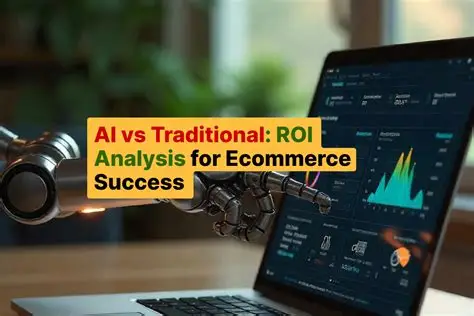
Here’s how AI strengthens modern Shopify security compared to traditional systems:
| Security Feature | Traditional Systems | Shopify + AI |
| Fraud Detection | Rule-based filters | Machine learning risk analysis |
| Bot Protection | Manual blocking | AI behavior recognition |
| Threat Monitoring | Periodic scans | Real-time automated monitoring |
| Chargeback Prevention | Reactive | Predictive risk scoring |
AI doesn’t just react — it predicts.
🛍️ Is Shopify Safe From AI-Powered Attacks?
Cybercriminals increasingly use AI tools to:
- Automate phishing campaigns
- Perform credential stuffing
- Launch intelligent bot attacks
- Bypass traditional CAPTCHA systems
However, Shopify combats this with:
- Adaptive bot detection
- Suspicious login monitoring
- Rate-limiting systems
- Two-factor authentication (2FA)
- API-level security controls
Shopify’s centralized security model allows rapid updates when new threats emerge.
🌍 Trusted by Global Brands
Major brands trust Shopify to manage high-volume, high-risk environments. Examples include:
- Gymshark
- Allbirds
- Heinz
These companies rely on Shopify’s AI-enhanced infrastructure during peak sales events like Black Friday.
👨💻 The Role of AI Agencies Like Transform Agency
While Shopify provides powerful built-in protection, AI-driven optimization takes security further.
Agencies such as Transform Agency help merchants:
- Implement AI analytics tools
- Optimize fraud detection settings
- Secure third-party app integrations
- Improve conversion tracking safely
- Automate performance monitoring
AI is not only about security — it’s about making smarter business decisions without increasing risk.
🖼️ AI-Driven Shopify Security Monitoring
Below is a visual representation of AI-powered data monitoring in an eCommerce dashboard:
(Illustrative image showing AI-based data analytics dashboard.)
🔎 Shopify Apps and AI Risks
One common question: Are Shopify apps safe in an AI-driven ecosystem?
While Shopify reviews apps, risks may arise from:
- Over-permissioned integrations
- Poorly maintained third-party apps
- External scripts collecting unnecessary data
Best Practices:
- Install only essential apps
- Audit permissions regularly
- Remove outdated integrations
- Monitor API access logs
AI can enhance automation — but human oversight remains essential.
🔒 Account-Level Security Features
To maximize Shopify security, enable:
🔑 Two-Factor Authentication (2FA)
- Protects against credential theft
- Blocks unauthorized login attempts
👥 Role-Based Permissions
- Limit staff access
- Control sensitive settings
📊 Activity Monitoring
- Review login history
- Track suspicious behavior
🚀 Is Shopify Safe for AI-Driven Businesses?
Yes — and it’s increasingly optimized for AI-first commerce.
Shopify supports:
- AI chatbots
- Automated inventory forecasting
- Personalized product recommendations
- Predictive analytics
- API integrations for AI tools
With Shopify Plus, enterprise merchants gain additional API control and advanced automation capabilities.
⚖️ Final Verdict: Is Shopify Safe in the AI Era?
Yes — Shopify is highly secure and continuously evolving with AI-driven protection systems.
Its strengths include:
- PCI Level 1 compliance
- SSL encryption
- AI-powered fraud detection
- Cloud-based hosting security
- Automated threat monitoring
- Continuous infrastructure updates
However, security is always a shared responsibility.
To maximize Shopify security:
- Enable 2FA
- Use strong passwords
- Audit apps regularly
- Monitor store activity
- Consider expert AI implementation support
Working with experienced teams like Transform Agency can help businesses combine Shopify’s built-in protections with intelligent AI strategies — ensuring your store stays secure, scalable, and future-ready.