Linux is the operating system that runs most servers, cloud platforms, and essential infrastructure. One of its features is that it is very stable and flexible; hence, it satisfies the needs of most users. However, as with everything else, a system cannot be completely secure without the necessary regular maintenance.
An important aspect of Linux security is patch management. It ensures that the systems are protected against vulnerabilities of which certain parties may be aware. If a system is not properly patched, even a server that is well-configured can easily become a victim.
This guest post discusses why Linux patch management should be a top priority for any administrator and what benefits it brings to the system’s security.
What Is Linux Patch Management?
Patch management is the practice of keeping software up to date by fixing security issues, bugs, and generally improving performance through a series of updates.
Linux patches come out all the time. They are meant to fix vulnerabilities in the kernel, bugs in the software packages, and other problems in the system.
Applying patches promptly will limit the time during which your system is vulnerable to attacks.
Why Is Dangerous to Leave Systems Unpatched?
Hackers are always on the lookout for vulnerabilities they can exploit in systems. Once a flaw is publicly known, it attracts attention from attackers. Many hackers use automated tools to scan the internet, looking for computers or devices that have not been updated with the latest security patches.
An internet-connected server can be hacked in a matter of minutes if it has not been left without an update.
Regular patching is like putting locks on these entry points and thus reduces the risk.
How to Defend Against Security Vulnerabilities?
The majority of cyber attacks take advantage of known vulnerabilities. Linux patches close these vulnerabilities before the hackers can take advantage of them.
Besides that, security updates frequently solve problems such as privilege escalation, remote code execution, and data leaks.
The proper management of patches is a fundamental way of decreasing the risk of being attacked.
Keeping the System Running Smoothly
- Security patches are not the only kind of patches.
- Besides that, they also fix problems that may cause the system to freeze or slow down.
- Updated systems function better and are less prone to failures.
- Reliable systems mean less downtime and fewer maintenance efforts.
Compliance and Industry Standards
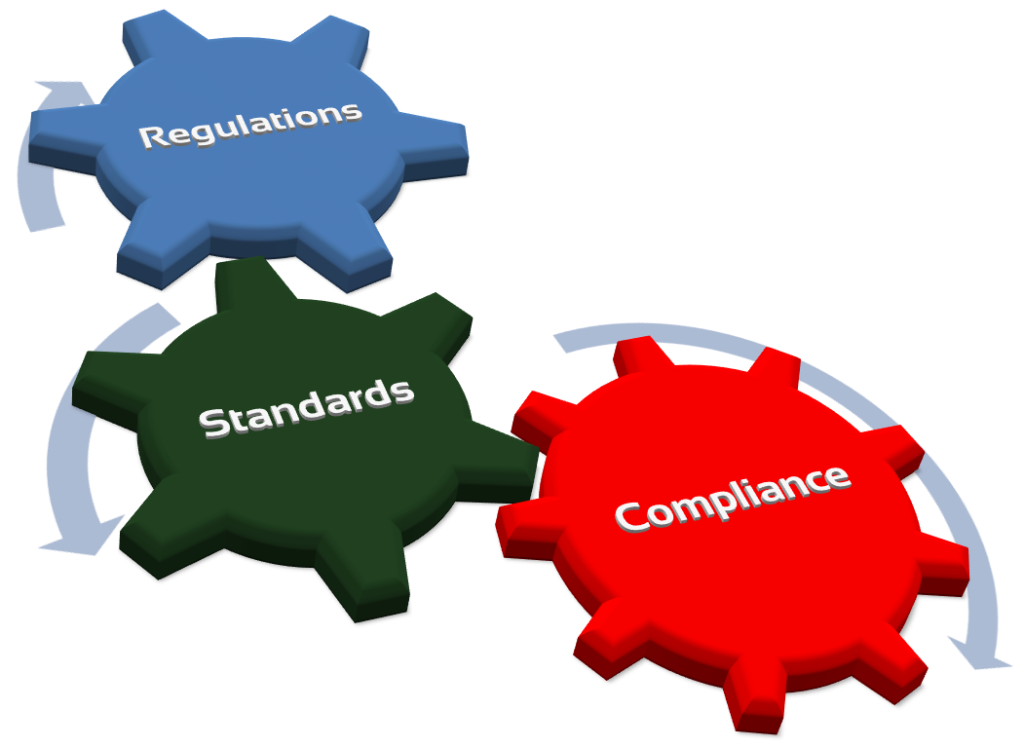
- Many industries are governed by strict security standards.
- Regulations sometimes require the timely patching of systems.
- If updates are not applied, the company can be subject to fines and audits.
- Good patch management practices make it easier to comply with the requirements.
Minimizing Downtime and Recovery Costs
- Security breaches can cost a lot.
- They cause not only downtime but also data loss and reputational damage.
- Patching is a way of preventing incidents before they occur.
- It is always more profitable to avoid a problem than to fix one.
Why Disregarding Patches Can Be Dangerous?
When a security hole is disclosed, it will be quickly weaponized. Therefore, the period when your server is vulnerable to an attack is only as long as the time you take to apply the patch. After that, your server is safe.
Common Mistakes in Patch Management
- To skip updates in order to avoid downtime is a very dangerous practice.
- Having patches delayed only increases the time that the systems are vulnerable.
- Neglecting update logs is a way of hiding serious problems.
- Disorganization and lack of proper planning are a sure way to bring about system failures.
By merely not repeating these mistakes ones security posture will be significantly improved.
Best Practices for Linux Patch Management
Implement the following:
- As soon as security patches are released, apply them without delay
- Make the update process a self-running one wherever it is possible
- First of all, test important patches
- Keep an eye on the update logs
- Set the time for maintenance windows
- Being consistent with what you do is the secret of success.
Patch Management Through Centralized Tools
Managing updates becomes easier when administrators use centralized tools instead of manual commands. A web hosting control panel allows teams to monitor system updates, schedule maintenance windows, and apply patches consistently across servers. This reduces human error, saves time, and helps ensure that no critical security updates are missed.
Securing Strategy for the Future
Patching should not be regarded as a task that is done only.
It should be considered as a security process that is continuously going on.
Alongside monitoring and backups, it is a very effective way of increasing the degree of your defenses.
Therefore, a happy longevity for your system is guaranteed if you keep up with the regular patching.
Conclusive Remarks
- Linux patch management is essential for system security.
- Unpatched systems invite attacks and failures.
- Timely updates protect data, maintain stability, and meet compliance needs.
- With proper planning and automation, patching becomes simple and reliable.
- Secure systems start with consistent patch management.