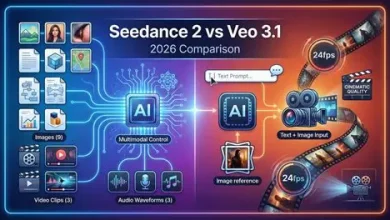
In today’s digital-first world, videos are a cornerstone of effective communication. From social media posts to marketing campaigns and educational content, video has proven to be more engaging than static images or text alone. Yet, producing high-quality videos traditionally requires expertise, software, and time. That’s where image to video AI comes in, offering a fast, easy, and automated way to generate videos from images.
This article will explain how image to video technology works, its features, advantages, and practical applications for content creators, marketers, and businesses looking to leverage AI-driven video production.
What Is Image to Video AI?
Image to video AI is an advanced artificial intelligence technology that converts static images into dynamic videos automatically. The AI detects objects, subjects, and background elements in the uploaded images and generates smooth motion, transitions, and effects that bring the visuals to life.
Unlike traditional video editing, which requires manual adjustments, timeline management, and design skills, image to video platforms automate most of the process. Users can upload images, apply AI-driven motion presets, add music or captions, and produce ready-to-use videos within minutes.
Automatic video generation enables anyone—from beginners to professionals—to create professional-looking content without technical barriers.
How Automatic Video Generation Works
The process of image to video AI is straightforward and efficient:
- Upload Images: Start by selecting high-resolution photos or illustrations. Clear images yield better results.
- AI Analysis: The system detects key elements such as people, objects, depth, and backgrounds, analyzing how to animate them naturally.
- Apply Motion Presets: Users select from prebuilt animations such as pan, zoom, parallax, or cinematic effects.
- Add Enhancements: Include text overlays, branding elements, captions, or music to make the video more engaging.
- Generate Video: The AI automatically compiles the images, motion effects, and audio into a cohesive video that can be exported in various resolutions and formats.
By automating these steps, image to video technology eliminates the learning curve associated with traditional video production while saving significant time and effort.

Key Features of Image to Video AI
Modern image to video ai platforms include a variety of features to simplify and enhance video creation:
1. Prebuilt Motion Effects
Users can choose from preset animations like pan, zoom, parallax, or cinematic transitions to create professional-looking videos quickly.
2. Customization Options
Text overlays, captions, and logos allow brands and creators to maintain consistency and convey clear messages.
3. Audio Integration
Music tracks, sound effects, and voiceovers enhance engagement, making videos more dynamic and immersive.
4. Multi-Format Exports
Videos can be exported in HD, 4K, or social-media-optimized aspect ratios such as vertical, square, or horizontal formats.
5. AI-Powered Enhancements
Some platforms offer auto-captioning, scene detection, and motion optimization, further streamlining the video creation process.
6. User-Friendly Interface
Drag-and-drop functionality and intuitive dashboards make these tools accessible for beginners, hobbyists, and professional creators alike.
Benefits of Using Image to Video AI
⏱ Time Efficiency
Creating a video manually can take hours or even days. Automatic image to video AI drastically reduces production time, enabling faster content delivery.
💸 Cost Savings
By removing the need for professional editing software or hiring a video editor, these platforms make video creation affordable.
🎯 Increased Engagement
Motion videos outperform static images in engagement metrics, including shares, likes, and comments on social media platforms.
🧠 Creative Freedom
Even users without prior video experience can experiment with effects, transitions, and audio to produce visually captivating content.
🌍 Versatile Applications
AI-generated videos can be used for social media, marketing campaigns, educational content, brand storytelling, and personal projects.
Applications of Image to Video AI
- Social Media Content:
Videos attract more attention and engagement on platforms like TikTok, Instagram, and YouTube. Using image to video, creators can animate photos, create reels, and post dynamic content effortlessly. - Marketing and Advertising:
Businesses can turn product images into promotional videos, highlight features, or create ads optimized for various channels. - Educational Material:
Teachers and educators can animate diagrams, illustrations, and infographics to enhance comprehension and retention in learning environments. - Brand Storytelling:
Brands can transform static visuals into narrative-driven videos, making campaigns more memorable and impactful. - Personal Projects:
From slideshows to travel videos and event recaps, image to video AI allows individuals to create dynamic personal content with minimal effort.
Tips for Creating Effective Videos
- Use High-Resolution Images: Clear and detailed photos produce smoother animations.
- Keep Videos Short: Especially for social media, videos under one minute often perform best.
- Add Text and Branding: Overlay captions, logos, or watermarks to maintain clarity and brand recognition.
- Experiment with Motion Effects: Test different animation styles to enhance engagement.
- Include Audio: Music and voiceovers make videos more immersive and memorable.
Challenges and Limitations
While image to video AI is powerful, it has some limitations:
- Complex images may produce unnatural motion.
- Free versions may include watermarks or limit features.
- Advanced cinematic effects often require paid subscriptions.
- Video quality is highly dependent on the resolution of original images.
Despite these challenges, the speed, accessibility, and creative potential make image to video platforms indispensable for modern content creation.
The Future of Automatic Video Generation
As AI technology advances, automatic image to video AI will continue to improve. Future developments may include:
- Smarter motion prediction for more natural animations
- AI-generated voiceovers and auto-captioning
- Real-time collaborative video editing in cloud platforms
- Advanced customization for marketing and storytelling
- AI-driven insights to optimize engagement and conversion rates
The future of video creation promises to be faster, more intuitive, and more creative than ever before.
Conclusion
Image to video AI has revolutionized the way videos are created by allowing anyone to transform static images into dynamic motion content automatically. From social media content and marketing campaigns to education and personal projects, these tools offer speed, simplicity, and professional-quality results.
By leveraging image to video technology, content creators, marketers, and individuals can produce engaging, high-quality videos without the traditional barriers of video production. Automatic video generation is no longer just a convenience—it’s a necessity for anyone looking to thrive in the digital content landscape.
With AI-driven tools, creating captivating videos from images has never been faster or easier. Whether for professional campaigns or personal storytelling, image to video AI empowers users to bring their visuals to life in seconds.