Selecting the right technology stack is a critical decision for any growing company. A CRM system serves as the backbone of sales and support operations. With hundreds of options available, the CRM software selection process requires a structured approach to find a solution that fits specific operational needs.
Define Your Goals
Before evaluating software demonstrations, identify the specific pain points you intend to eliminate. Clearly defined objectives make choosing the right CRM significantly more efficient. Identifying missing functionality helps avoid “bloated” software and unnecessary expenses. Key focus areas include:
- Lead Retention. It prevents potential customers from falling through the cracks due to a lack of follow-up.
- Data Consolidation. This eliminates fragmented information across different departments to create a single source of truth.
- Specialized Workflows. This involves utilizing industry-specific tools, such as a merchant cash advance CRM, designed to handle unique financial processes.
Key Technical Pillars
When evaluating potential platforms, focus on three essential factors. Following these principles ensures you are choosing a CRM system that your team will actually use:
- Usability. Prioritize intuitive design over an exhaustive feature list. Confusing interfaces lead to team rejection. To understand how to pick a CRM that lasts, focus on user experience.
- Scalability. Ensure the platform grows alongside company revenue. Changing systems after 18 months due to data limitations causes massive disruption.
- System Integration. The tool must work seamlessly with existing email, marketing automation, and accounting applications.
Budgeting and ROI
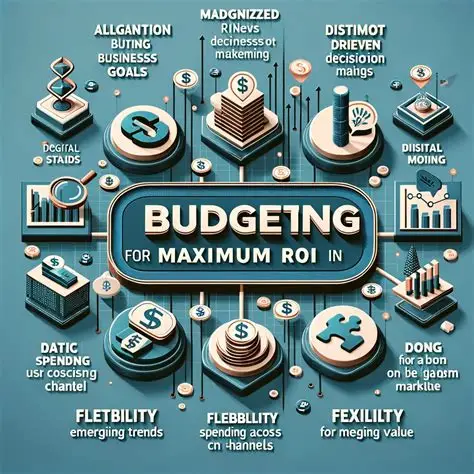 Focusing solely on the sticker price is a common mistake. View the decision of choosing CRM tools as a strategic investment in productivity. The total cost of ownership often includes:
- Implementation and staff training costs.
- Recurring subscription fees per user.
- Fees for premium support or third-party plugins.
If you are unsure how to choose the best CRM software for your business, aim for the “Goldilocks” zone: find a balance where features provide power without draining your ROI.
Selection Stages
Once you establish a shortlist, use a structured evaluation framework to verify your choice. This process simplifies the task of how to select a CRM system:
- Workflow Alignment. Verify that the interface matches your team’s actual sales process rather than forcing the team to adapt to the vendor’s logic.
- Mobile Functionality. Field teams require full mobile access to maintain productivity outside the office.
- Process Automation. High-quality systems automate repetitive tasks such as data entry and email follow-ups. Choosing CRM platforms that prioritize these features saves significant time.
- Hands-on Testing. Avoid long-term contracts without a practical trial. To understand how to select a CRM effectively, have sales representatives test the tool for a full week.
Final Decision
No single “perfect” solution exists for every enterprise. The method of how to choose the right CRM software depends entirely on your industry and internal culture. Audit your current workflow and list your “must-have” features before signing a contract. Following these steps for choosing CRM software ensures long-term growth and stable customer relationships.