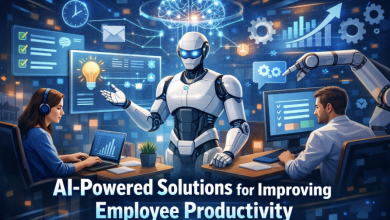
In the evolving labor market, the traditional temp staffing agency model is being re-engineered through advanced technology. Artificial intelligence (AI), automation, and digital marketplaces are redefining how companies source, evaluate, deploy, and manage temporary technical talent.
For technology-driven organizations, this means faster access to specialized skills, data-backed workforce decisions, and more efficient deployment of short-term staff for mission-critical projects.
1. The Shift Toward Data-Driven Staffing
A modern temp staffing agency no longer relies solely on recruiter intuition. Instead, agencies leverage:
- Machine learning algorithms for candidate ranking
- Real-time availability maps
- Skills graphing and role matching
- Predictive analytics for workforce forecasting
These systems analyze large datasets such as resumes, certifications, project histories, and performance feedback to produce optimal candidate matches—especially useful for IT and engineering roles.

2. AI-Enhanced Talent Matching for Technical Roles
AI drastically accelerates sourcing for roles like:
- Software developers
- Network engineers
- Data analysts
- Cloud architects
- Cybersecurity specialists
Using natural language processing (NLP), AI interprets job descriptions, identifies required technical skills, and matches them with candidates’ skills profiles. This reduces both time-to-fill and mismatch risk—key metrics for any temp staffing agency.
3. Digital Marketplaces & API Integrations
Tech-driven staffing agencies are integrating directly with enterprise systems, including:
| System | Purpose |
| Applicant Tracking Systems (ATS) | Candidate intake & pipeline management |
| HRIS/HCM Platforms | Identity, onboarding, and compliance |
| Timekeeping Tools | Hour tracking & invoice automation |
| Project Management Tools | Task assignment & performance tracking |
This creates a seamless digital staffing pipeline from sourcing to payroll.
4. Automation in Onboarding & Compliance
Technical contractors require rapid onboarding, especially for security-sensitive environments. Automation helps agencies manage:
- Background checks
- NDA agreements
- Security clearance verification
- Equipment provisioning
- Access credentialing
- Tax/form compliance
For example, onboarding that once took weeks can now be completed in hours, enabling IT contractors to engage quickly in DevOps sprints, cloud migrations, or incident response operations.
5. Temporary Digital Labor: Beyond Human Staffing
The concept of a temp staffing agency is expanding beyond human workers. Organizations now deploy:
- RPA bots for repetitive IT tasks
- LLM-based AI agents for support ticket triage
- Test automation bots for QA workflows
These temporary “digital workers” can execute tasks for defined periods, similar to a contractor. This hybrid model—human tech specialists + automation—supports large-scale efficiency initiatives.
6. Cybersecurity and Access Control for Temporary Tech Talent
Temp workers in technical environments interact with sensitive systems, making cybersecurity critical. Modern agencies collaborate with clients to implement:
- Zero-trust access policies
- Temporary IAM credentials
- Endpoint monitoring
- Privileged access management (PAM)
- Audit trails for compliance
These measures protect infrastructure while enabling contractors to work effectively.
7. Predictive Workforce Planning
Predictive analytics helps tech organizations anticipate staffing needs for:
- Product releases
- Infrastructure upgrades
- Cloud migrations
- Audit and compliance windows
- Seasonal support surges
A tech-enabled temp staffing agency can model demand scenarios and maintain a ready talent pool, reducing downtime and project delays.
8. Future Trends in Tech-Enabled Temp Staffing
Over the next 3–5 years, agencies serving technical labor markets will adopt:
- Blockchain-based credential verification
- Generative AI candidate assessment
- Digital skills passports and micro-certifications
- Real-time skills matching engines
- Augmented analytics for HR decision support
These advancements will turn staffing into a real-time digital service, rather than a manual recruitment function.
Conclusion
The role of a temp staffing agency is being transformed by AI, automation, data, and digital platforms—especially within the tech sector. Companies gain faster access to specialized talent, reduced risk, improved cybersecurity alignment, and scalable resource management. At the same time, technical contractors benefit from more flexible opportunities and streamlined onboarding.
As tech ecosystems scale and digital transformation accelerates, temp staffing will continue to evolve into an intelligent workforce solution built for the pace of modern innovation.