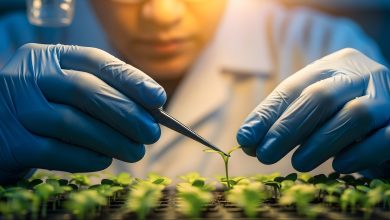
The quest for a “fountain of youth” is as old as time, but today it has moved from mythical springs into the high-tech world of the science lab. You’ve likely seen the labels on serums and creams, promising revolutionary results powered by stem cell technology. It sounds futuristic, almost like science fiction, yet these products are lining the shelves of your favorite beauty stores. The claims are bold: diminished wrinkles, restored elasticity, and a vibrant glow.
But what does it all mean? Are these ingredients truly a breakthrough, or just a new chapter in clever marketing? This article takes a closer look at how stem cell technology is reshaping anti-aging skincare.
What Are Stem Cells in Skincare?
When you see “stem cells” on a skincare product, it does not mean the product contains live human embryonic stem cells. That is a misconception fueled by the term’s association with regenerative medicine. The use of live human stem cells in cosmetics is not only ethically controversial but also prohibited in many parts of the world, including the United States and Europe. Furthermore, applying live cells to your skin wouldn’t work as intended; they wouldn’t survive in a cream and couldn’t integrate into your tissue.
Instead, the skincare industry uses two main types of ingredients derived from stem cell science. The most common are plant stem cell extracts. Scientists cultivate stem cells from resilient plants like the Swiss Uttwiler Spätlauber apple, grapes, or edelweiss in a lab environment. They then harvest the extracts from these cells, which are packed with potent antioxidants and other beneficial compounds. You are getting the protective and regenerative essence of the plant, not the living cells themselves.
The second category involves growth factors and cytokines, which are signaling proteins harvested from human cells (like fibroblasts or fat cells) grown in a lab. These are not stem cells, but rather the powerful biochemical messengers that stem cells use to communicate. These proteins instruct your skin cells to behave in a more youthful way—for instance, to produce more collagen. These ingredients are often listed as “conditioned media” or specific growth factors on the label.
How Stem Cell Extracts Actually Work
The theory behind using these ingredients is not about replacing your skin cells but about supporting and protecting them. Your skin has its own population of adult stem cells, which are crucial for repair and regeneration. As you age, these native stem cells become less efficient and more vulnerable to damage from environmental stressors like UV radiation and pollution. This slowdown in cellular repair is what leads to visible signs of aging like wrinkles, sagging, and a dull complexion.
Plant stem cell extracts work primarily as powerful protectors. They are rich in antioxidants that help neutralize free radicals, the unstable molecules that cause oxidative stress and damage your skin cells, including your precious stem cells. By shielding your skin’s stem cells from this environmental assault, these extracts help preserve their function and longevity. This allows your skin to continue its natural repair processes more effectively, maintaining its structure and vitality for longer.
Joseph Kim, Founder & CEO of Incellderm explains, “Human-derived growth factors, on the other hand, play a more direct, communicative role. These proteins act like tiny coaches for your skin cells. When applied to the skin, they send signals that encourage fibroblasts—the cells responsible for creating structural proteins—to ramp up production of collagen and elastin. More collagen means firmer, plumper skin, while increased elastin improves its ability to snap back into place. Essentially, these growth factors are reminding your aging cells how to act young again, stimulating the natural processes that keep skin smooth and resilient.”
Plant Stem Cells vs. Human-Derived Growth Factors
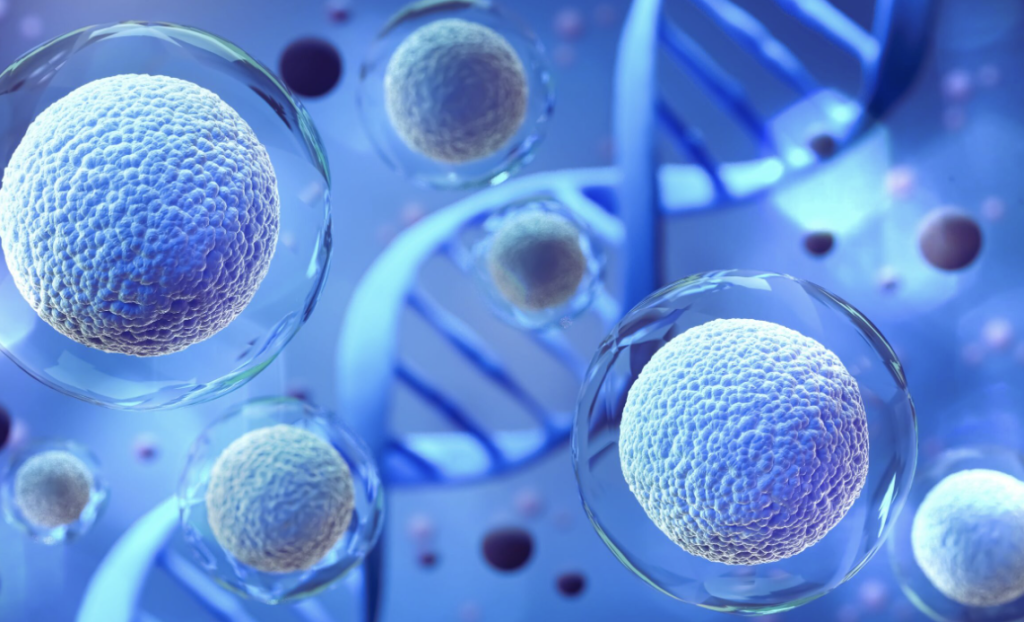 Understanding the difference between plant and human-derived ingredients is key to choosing the right product for your needs. They operate on different principles and offer distinct, though sometimes overlapping, benefits. Think of it as a defense versus offense strategy for your skin.
Plant stem cell extracts are your skin’s defensive line. Their primary strength lies in their exceptional antioxidant capacity. Sourced from plants that have evolved to survive harsh conditions—like high-altitude flowers or rare fruits that resist decay—these extracts are uniquely equipped to protect. The extract from the Uttwiler Spätlauber apple, for example, is famous because the apples themselves can stay fresh for months.
This is attributed to the longevity of the apple’s stem cells. In skincare, these extracts help fend off daily environmental damage, reducing inflammation and preserving the health of your existing skin cells. They are excellent for prevention and protection.
Human-derived growth factors represent the offensive strategy. They are all about active regeneration and repair. These are biocompatible proteins that your skin cells immediately recognize. Their job is to stimulate and direct cellular activity.
By signaling your cells to produce more collagen, they actively work to rebuild the skin’s structural matrix, which can lead to a visible reduction in the depth of fine lines and wrinkles and an improvement in skin texture and firmness. Products with growth factors are often aimed at reversing existing signs of aging rather than just preventing future damage. Choosing between the two depends on your goals: are you looking to protect your skin, or are you hoping to repair it?
The Science and The Hype: What Does Research Say?
The marketing around stem cell skincare is undeniably compelling, but it’s important to approach the claims with a critical eye. The science is promising but, in many ways, still in its early stages. Many of the studies cited by brands are conducted in vitro, meaning in a lab dish, or are sponsored by the manufacturers themselves, says Htet Aung Shine, Co-Founder of NextClinic.
For plant stem cells, laboratory studies have shown that their extracts can protect human skin cells from UV-induced stress and exhibit powerful antioxidant activity. A few small-scale clinical trials have suggested that topical application can improve the appearance of wrinkles. However, a major question remains about whether these extracts penetrate the skin deeply enough to affect the stem cells located in the basal layer of the epidermis. The skin is a formidable barrier, and the molecular size of these compounds matters.
The evidence for human-derived growth factors is generally considered more robust. A larger body of independent research supports their ability to stimulate collagen and elastin synthesis. Clinical studies have demonstrated visible improvements in skin texture, wrinkles, and overall skin rejuvenation. The challenge here is one of stability and formulation.
Growth factors are delicate proteins that can easily degrade. An effective product requires sophisticated formulation to ensure the ingredients remain active and are delivered effectively into the skin. As a consumer, this means the quality and reputation of the brand are particularly important when investing in these more advanced products.
Conclusion
Stem cell technology in skincare is undoubtedly one of the most exciting and complex frontiers in the anti-aging industry. It is not a mythical cure-all, but a powerful scientific approach centered on supporting your skin’s inherent ability to regenerate. By understanding the distinction between protective plant-derived extracts and regenerative human-derived growth factors, consumers can make informed choices.
While the science is evolving, the promise is clear: these ingredients offer new and effective ways to shield your skin from damage and actively encourage a more youthful cellular behavior. As research continues to validate these findings, expect stem cell skincare to solidify its place as a cornerstone of advanced anti-aging routines.