Tactical gear isn’t just heavy boots, helmets, and vests anymore. Thanks to modern technology, it’s becoming smarter, more connected, and surprisingly high-tech. Imagine gear that can monitor a soldier’s heartbeat, track their movements, or even help them see in complete darkness — all in real time.
From wearable sensors to night-vision integration, tech-enabled tactical equipment is changing the game for military personnel, law enforcement, and security teams. And while it might sound like something out of a sci-fi movie, it’s already here, quietly making operations safer, faster, and more efficient.
A Quick Look Back: How Tactical Gear Has Evolved
Not too long ago, tactical gear was all about protection and carrying essential tools. Soldiers and officers relied on heavy armor, simple helmets, and basic night-vision scopes. The focus was on staying safe, but the gear was often bulky, limited, and completely offline.
As technology advanced, so did tactical gear. Lightweight materials replaced heavy armor, making movement easier. Weapons and tools became more modular, allowing customization for different missions. And now, the latest wave of innovation isn’t just about protection — it’s about intelligence.
As Sarunas Levickis, CEO of TacticalShop24, says, “At TacticalShop24, we’re seeing a clear shift: tactical gear is no longer just about heavy-duty fabric and basic protection — it’s evolving into fully tech-enabled equipment. From helmets with integrated night-vision mounts to vests designed to carry modular sensors and comms gear, the new generation of kits offers unprecedented situational awareness and safety.”
He then adds, “I believe this technological leap will redefine what both professionals and prepared civilians expect from their gear. In our store, we’re committed to offering only those products that meet strict durability and performance standards — because when tech meets tactical, quality matters more than ever.”
Modern gear can collect data, monitor vital signs, communicate instantly with teammates, and even adapt to different conditions. This evolution isn’t just impressive — it’s essential. In high-stakes environments, knowing a teammate’s status, monitoring fatigue, or seeing clearly at night can make the difference between success and disaster.
Wearable Sensors: Gear That Thinks for You
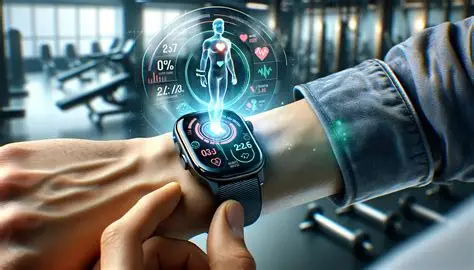
Wearable sensors are one of the most exciting advancements in tactical gear. These small, smart devices are embedded into vests, helmets, and even uniforms to monitor a soldier or officer in real time. They can track heart rate, fatigue levels, movement patterns, and even stress indicators.
Why does this matter? In high-pressure situations, understanding someone’s physical and mental state can save lives. For example, if a sensor detects extreme fatigue or irregular heartbeat, a team leader can adjust roles or provide support before it becomes a serious problem. It’s like having a personal health monitor built right into the gear.
Think of it as combining a fitness tracker, GPS, and health alert system all in one — but designed for the field. This tech turns traditional gear into a smart companion that helps users perform better, stay safer, and make quicker decisions.
Night-Vision Gear: Seeing in the Dark Like a Pro
Night-vision technology has come a long way. Once bulky and limited to basic green-glow goggles, today’s night-vision gear is lighter, more powerful, and often integrated directly into helmets or augmented reality displays.
Modern night-vision devices can enhance depth perception, detect heat signatures, and even overlay critical information like maps or enemy positions. This makes operating in low-light or completely dark environments much safer and more effective. Imagine moving through a dense forest at night while still knowing where your teammates are, where obstacles lie, and where potential threats might appear — all thanks to smart night-vision tech.
Some systems even combine night vision with wearable sensors, providing a complete picture of both the environment and the user’s status. For example, a soldier could see a hazard in front of them while also getting alerts if their fatigue levels are high. This integration turns night operations from risky guesswork into informed action.
Even outside the battlefield, the concept is fascinating. It’s like giving humans a superpower — the ability to see in the dark and make smarter decisions, all through tech built into everyday gear.
Smart Helmets, Vests, and Communication Tools
Tactical gear isn’t just protective anymore — it’s becoming a hub for communication and coordination. Smart helmets and vests now come equipped with sensors, microphones, speakers, and even small screens, allowing users to stay connected with teammates in real time.
These tools can share information instantly, like location updates, environmental hazards, or status alerts. For example, a team leader can see the health and position of every member on a heads-up display, making split-second decisions much easier. In operations where every second counts, this level of connectivity can literally be a lifesaver.
Communication tech also improves training. Teams can review live or recorded operations, analyze movement patterns, and identify areas for improvement. It’s like having an advanced control center built into your gear — giving both real-time awareness and post-mission insights.
You can think of it as combining a smartwatch, walkie-talkie, and GPS tracker all in one wearable system. It keeps teams in sync, ensures safety, and makes complex operations smoother — without adding extra bulk or hassle.
Smart Armor: Safety Meets Tech
Armor has always been about protection, but smart armor takes it to the next level. Modern vests and body suits can detect impacts, monitor vital signs, and even adjust stiffness or cushioning depending on the situation. Some materials are lighter yet stronger, giving users better mobility without compromising safety.
Sensors embedded in armor can alert users to injuries or extreme stress. For example, if a soldier takes a hard hit, the system can send instant notifications to medics or team leaders, speeding up response times and potentially saving lives. Smart armor can also track performance during training, helping teams identify risks and improve efficiency over time.
The combination of smart sensors, adaptive materials, and modular designs means users aren’t just wearing protection — they’re wearing gear that actively supports their safety, performance, and awareness. It’s armor that thinks along with you, not just sits there as a shield.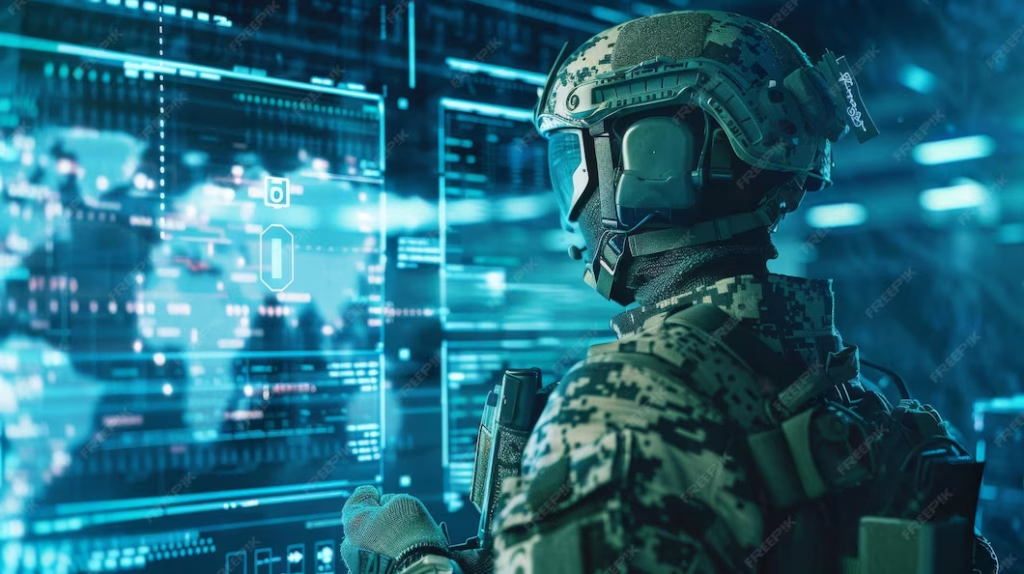
Caveats of Tech-Enabled Tactical Gear
While smart tactical gear is undeniably exciting, it comes with a set of challenges that can’t be ignored. Integrating advanced technology into protective equipment isn’t as simple as slapping sensors onto a vest or adding night-vision goggles. There are multiple layers of complexity that manufacturers, users, and organizations must consider.
Cost and Accessibility
One of the biggest barriers is cost. High-tech helmets, vests, and wearable sensors are expensive to design, produce, and maintain. Not every military unit, law enforcement agency, or private security team can afford the latest gear. This raises questions about accessibility — how do you ensure that all teams, not just the best-funded ones, have access to life-saving technology?
Even when organizations invest, maintenance costs add up. Sensors need calibration, batteries need replacement, and software must be updated to keep devices functioning correctly. For smaller teams or local agencies, these costs can become a serious hurdle.
Battery Life and Durability
Tech-enabled gear relies on power. Batteries must last through long missions, sometimes in harsh environments, without adding extra weight. Running out of battery mid-operation could mean losing vital features like communication, monitoring, or night vision — which could have critical consequences.
Durability is another concern. Tactical gear has to withstand extreme conditions: rain, dust, mud, heat, and rough handling. Electronics and sensors must survive the same environment as the armor itself. A small glitch or damaged sensor can render advanced gear useless when it’s needed most.
Training and Usability
Adding tech to gear introduces a learning curve. Soldiers, officers, and security personnel must be trained not just to wear the equipment but to understand and interpret the data it provides. Without proper training, the technology could overwhelm users, distract them, or even be misused.
For example, a wearable sensor might alert to high fatigue, but if a team member doesn’t know how to respond, the warning becomes meaningless. Or, night-vision overlays on helmets could obscure important details if not used properly. Balancing usability with complexity is a constant challenge for designers and trainers.
Integration and Compatibility
Modern tactical gear is often a mix of multiple technologies — wearable sensors, communication devices, smart helmets, night-vision goggles, and more. Ensuring all these systems work seamlessly together is a huge technical challenge. Poor integration can lead to delayed alerts, inaccurate readings, or interference between devices.
Cybersecurity Risks
Connected gear comes with another major concern: hacking. Any device that transmits data, whether location, vitals, or team movements, can potentially be intercepted. Cybersecurity breaches could compromise operations, put lives at risk, or reveal sensitive strategies. Protecting these devices from cyberattacks is just as important as protecting the wearer from physical threats.
Ethical and Privacy Considerations
Smart gear collects personal data: heart rates, stress levels, location, and even behavioral patterns. Managing this information responsibly is crucial. Organizations need clear policies about who can access the data, how long it’s stored, and how it’s used. Without proper safeguards, technology meant to protect users could end up violating privacy or being misused.
Dependence on Technology
Finally, there’s the human factor. Overreliance on tech could reduce basic skills or situational awareness. For example, if a soldier depends solely on sensors or night-vision, they might struggle in situations where the tech fails. Training and experience remain critical — smart gear should enhance human capabilities, not replace them.
In short, while tech-enabled tactical gear offers incredible advantages, it’s not without its pitfalls. Cost, durability, training, integration, cybersecurity, privacy, and human reliance are all challenges that need careful attention. The most effective solutions balance cutting-edge technology with real-world usability, ensuring that gear supports rather than hinders the people wearing it.
Conclusion
Smart and tech-enabled tactical gear is no longer a distant dream — it’s already changing the way soldiers, law enforcement, and security teams operate. From wearable sensors that monitor vitals and movement to night-vision systems that let you see in complete darkness, modern gear is becoming smarter, safer, and more connected than ever.
Of course, this technology comes with challenges: cost, durability, cybersecurity, and the need for proper training. But when implemented thoughtfully, it enhances performance, keeps teams coordinated, and can even save lives.