Ecommerce fulfillment centers and warehouses run on shift-based labor. Workers rotate through shared workstations, log into warehouse management systems, and handle customer data across multiple shifts each day. This operational reality creates a security challenge that most organizations struggle to address.
Traditional authentication systems were built for office environments. They assume one user, one device, and enough time for multi-step logins. Shift workers operate under entirely different conditions. They share terminals, face constant time pressure, and may clock in and out several times during a single shift.
When security creates friction, workers find workarounds. Credentials get shared. Sessions stay open. Security gaps emerge across the operation. This blog highlights the most common authentication gaps created by shift-based workers in the eCommerce industry.
Why Standard Authentication Fails for Shift Workers
Office workers have assigned devices and time for multi-factor authentication. Shift-based warehouse workers face different conditions. A 500-person fulfillment center generates hundreds of login events per hour during shift changes. When each login takes 30+ seconds, delays become unacceptable during peak operations.
Many IT help desks regularly handle requests related to password resets, which are often regarded as routine yet time-consuming tasks for support teams. Forrester Research estimates that each reset costs approximately $70. In high-turnover environments like warehouses and call centers, these costs multiply.
Workers adapt by sharing credentials, leaving sessions open, or writing passwords on sticky notes near terminals. Each workaround solves an operational problem while creating a security gap.
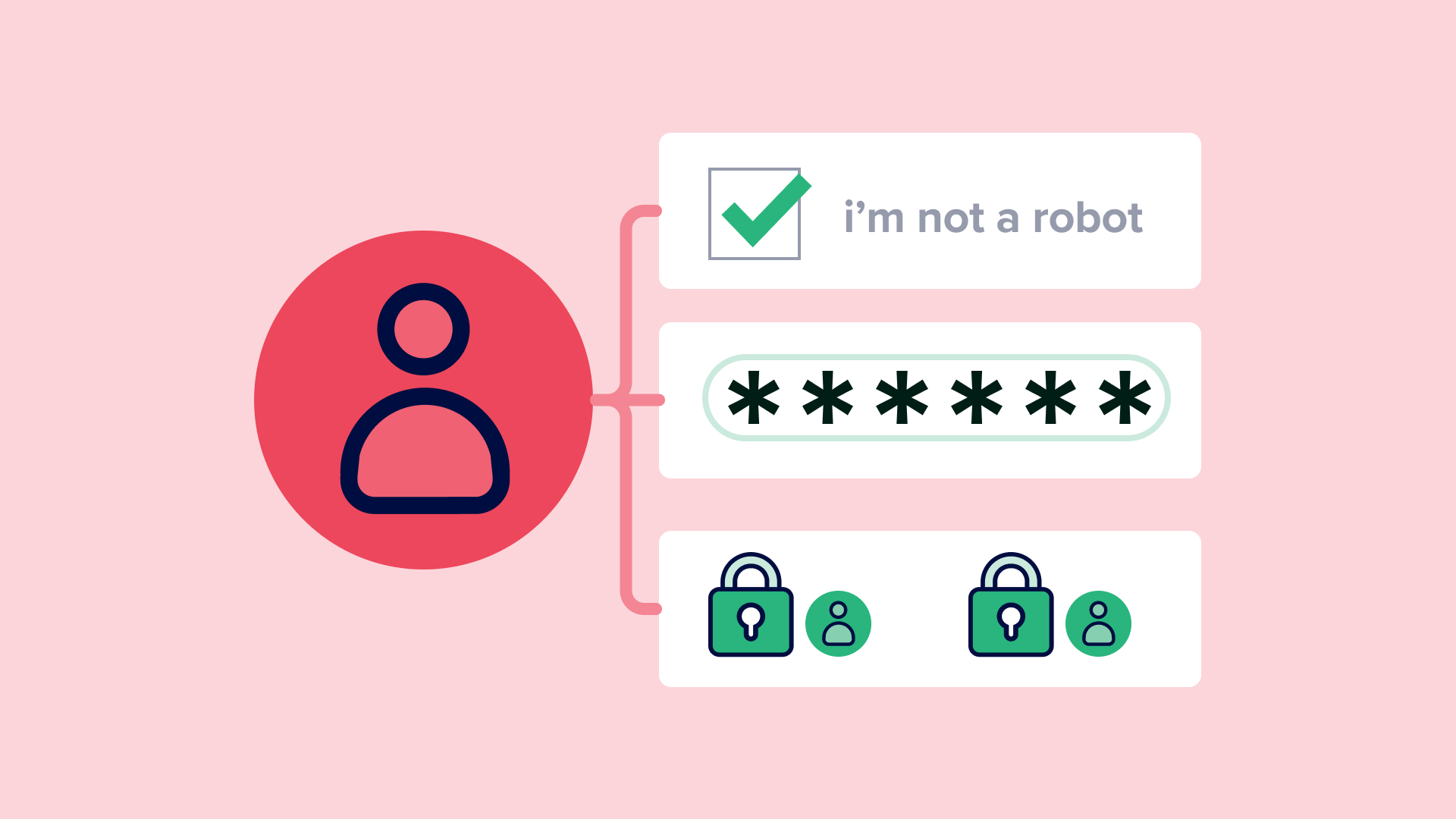
The key challenges include:
- High volume of login events during shift changes overwhelms password-based systems. A single shift change triggers hundreds of simultaneous login attempts. Systems designed for gradual office logins cannot handle this concentrated demand.
- Password reset tickets consume 20% to 50% of IT help desk resources. This diverts technical staff from strategic projects to routine password support. The problem intensifies in high-turnover environments where new workers constantly need credential assistance.
- Each password reset costs approximately $70 in organizational resources. This includes help desk time, worker downtime, and administrative overhead. For large operations, annual password reset costs reach hundreds of thousands of dollars.
- Workers share credentials to avoid authentication delays. When speed matters for productivity metrics, individual logins become obstacles. Shared credentials eliminate friction but destroy accountability.
- Open sessions are left active for incoming shift workers. Logging out and back in wastes seconds during handoffs. The next worker continues using the previous session with no identity verification.
- Written passwords on physical notes near shared terminals. Complex password requirements force workers to write them down. These notes remain visible to anyone with physical access.
Where Security Gaps Emerge
Shared Workstations and Open Sessions
Warehouse management systems, inventory terminals, and packing stations are accessed by multiple workers across shifts. When login takes too long, workers leave sessions open or share a single login. Multiple people using the same credentials eliminates accountability. No one can determine who accessed what data. Each open session becomes a potential entry point. An unauthorized person can access systems by walking up to an unlocked terminal.
Shift Handoffs and Session Inheritance
Shift changes are high-pressure moments when workers rush to start tasks. Proper logout and login procedures get skipped. Workers inherit the previous user’s session, sometimes with elevated permissions they should not have. PCI-DSS Requirement 8 mandates unique IDs and traceable user activity for anyone accessing system components or cardholder data. The requirement creates audit trails and holds individuals accountable. Shared sessions make this impossible. Compliance frameworks require strong authentication.
However, traditional MFA implementation creates additional friction for frontline workers. Standard approaches like SMS codes or authenticator apps slow shift transitions. This leads workers to bypass MFA entirely or share authenticated sessions.
Customer Service Portal Access
Call center and chat support agents handle sensitive customer data, including payment information, addresses, and order history. These roles experience high turnover, creating lifecycle management problems. New employees need credentials quickly. Departing employees need access revoked immediately. When offboarding is delayed, former employees retain access. These orphaned accounts become targets for misuse.
Mobile and Handheld Device Security
RF scanners, mobile picking devices, and handheld terminals move between workers throughout shifts. To avoid delays, device-level authentication is often disabled. A lost or stolen device with cached credentials becomes an immediate security exposure.
The Business Impact of the eCommerce Authentication Gap
Key Compliance Challenges
Inability to demonstrate unique user identification as required by PCI-DSS Requirement 8. Auditors need proof that each person accessing cardholder data has individual credentials. Shared logins automatically fail this requirement.
Missing audit trails that show who accessed what data and when. Compliance frameworks demand detailed logs of all access to sensitive information. When multiple workers use one account, these logs become meaningless. Failed authentication requirements under GDPR and CCPA data protection standards. These regulations require appropriate security measures for personal data. Shared credentials demonstrate inadequate access controls.
Security and Breach Risks
Breach attribution becomes impossible when multiple workers use the same account. Investigators cannot trace breach sources. If they cannot identify the responsible party, investigations stall, and remediation becomes guesswork.
Insider threats become harder to detect without individual accountability. Warehouse shrinkage, order manipulation, and customer data theft go untraced. Workers who cannot be individually identified have less deterrence against misconduct.
Security Challenges
No way to identify which individual caused a security incident or data breach. Investigation teams cannot narrow down suspects when five workers share one login. Root cause analysis becomes impossible without individual attribution. Increased insider threat risk from employees who know they cannot be tracked.
The anonymity of shared credentials removes personal accountability. Workers willing to commit fraud face reduced detection risk. Difficulty detecting unauthorized access patterns or suspicious behavior. Security systems flag anomalies based on normal user behavior. Shared accounts create mixed behavior patterns that hide genuine threats.
Operational Costs and Productivity Loss
Password resets during peak operations impact fulfillment speed. Every minute a worker spends locked out is a minute not spent processing orders. Help desk tickets for access issues pull IT resources from higher-value work.
Operational Impact
IT help desk teams spend up to 50% of their time on password-related issues. This prevents technical staff from working on strategic initiatives. Organizations pay skilled IT professionals to reset passwords instead of improving systems. Worker downtime during password lockouts directly impacts order fulfillment rates.
A locked-out picker cannot fill orders until IT resets their password. During peak seasons, these delays compound across hundreds of workers. Lost productivity from authentication friction slows every shift transition. When 200 workers change shifts simultaneously, 30-second logins create hours of lost work. This friction repeats multiple times daily across all facilities.
Authentication Approaches That Work for Shift Environments
Addressing these gaps requires authentication methods designed for shared-device, high-throughput environments. The goal is to maintain security without adding friction that workers will bypass.
Passwordless Authentication Methods
Biometric authentication using facial recognition or fingerprint scanning eliminates credential sharing. Each worker authenticates with something unique to them. Badge-tap (RFID/NFC) authentication links system access to an individual’s physical badge. Key criteria for shift environments: authentication speed under two seconds, ability to work on shared devices, and offline capability. Solutions like passwordless authentication for frontline workers are built for these conditions.
Unified Physical and Logical Access
Converging building access badges with system authentication reduces friction and hardware costs. Workers already carry badges for physical access. Using the same badge for system login simplifies workflow. Physical presence verification ensures users must be on-site to access systems. This closes the gap where credentials might be used remotely by unauthorized parties.
Automated Identity Lifecycle Management
Integration with HR and workforce management systems enables real-time access to changes. When an employee is terminated or changes roles, system access is revoked within minutes. This reduces orphaned accounts and creates automatic audit trails for compliance reporting. Organizations evaluating these approaches should align the authentication strategy with established frameworks. The NIST Special Publication 800-63 Digital Identity Guidelines provide technical requirements for authentication assurance levels.
Conclusion
Shift-based ecommerce operations face authentication challenges that traditional enterprise security was not designed to address. Shared workstations, rapid shift transitions, high turnover, and mobile devices create conditions where password-based systems fail. The consequences are real. Compliance audits fail. Breach investigations stall. Insider threats go undetected. IT resources drain into password reset tickets.
Closing these gaps does not require adding more friction. It requires authentication methods built for the realities of frontline work. Biometric and badge-based systems, unified access controls, and automated provisioning address the root causes rather than the symptoms. The goal is security that works with operations, not against them.
==================================================================================