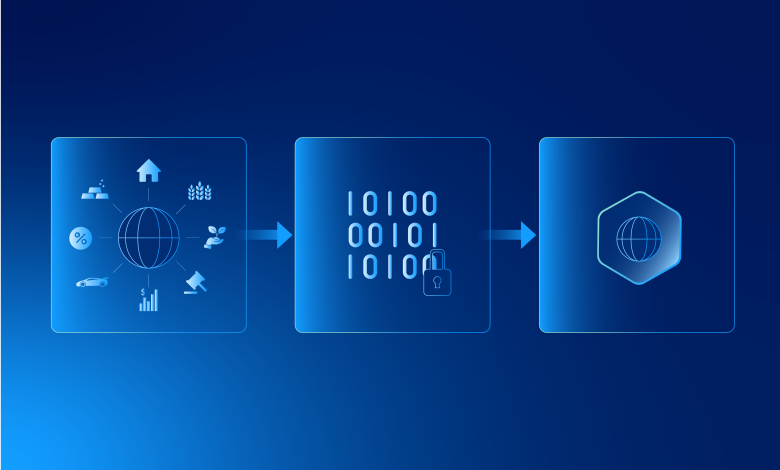
Real World Asset Tokenization (RWA) is bridging the gap between tangible assets and on-chain value. Experts estimate that the RWA tokenization market will surpass $10 trillion by 2030. Innovations in fractional ownership, global access, and transparent, programmable records will drive this boost. With institutions and investors seeking new pathways to efficiency, blockchain development services have become essential for designing, deploying, and scaling these next-gen asset ecosystems.
What Are Real World Assets (RWAs)?
Real World Assets (RWAs) are tangible assets outside the digital realm. These include office buildings, houses, gold, oil, company stocks, bonds, private equity, even expensive art. RWAs are anchored to real markets, legal contracts, and recognizable ownership structures. These assets often remain illiquid and difficult to trade for many market participants.
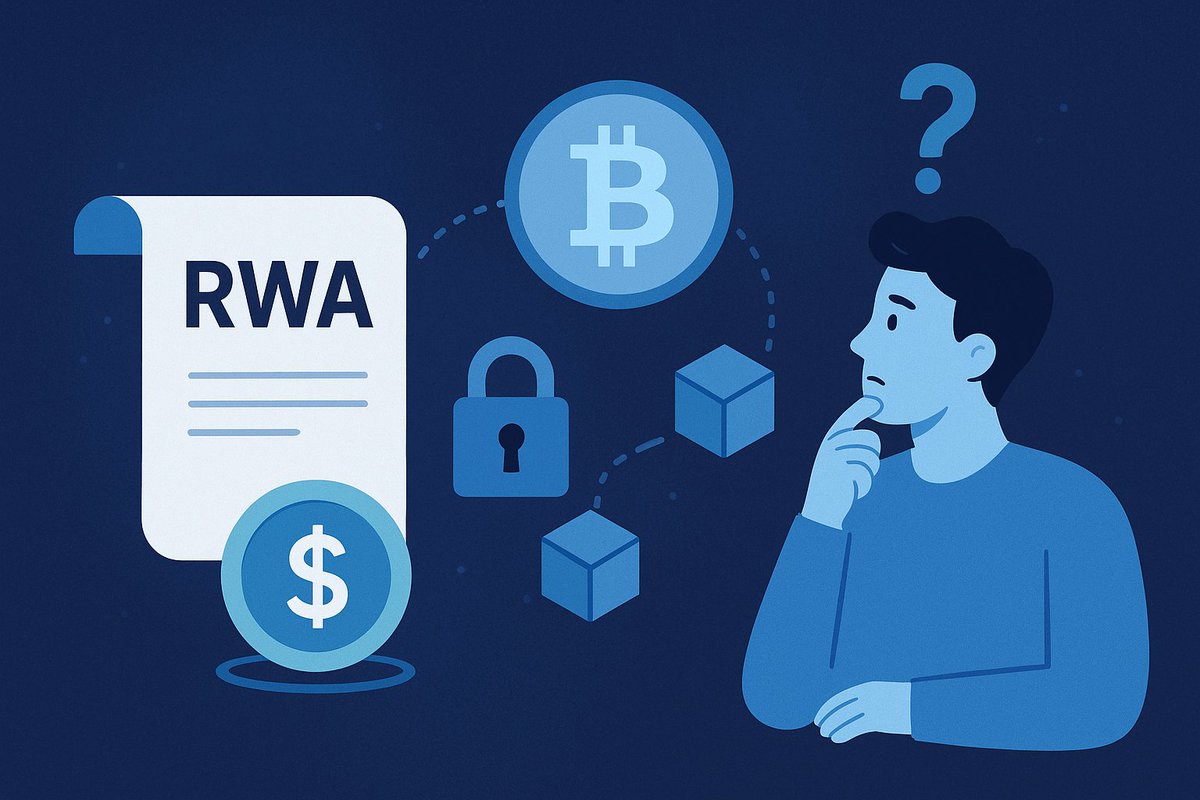
What is Tokenization?
Tokenization is the encoding of ownership and asset control directly onto public ledgers. With blockchain development, enterprises can automate investor onboarding, compliance checks, trading, and reporting. Using RWA tokenization, smart contracts turn real-world assets into digital tokens. These tokens carry the legal rights, the economic value, and even the full transaction history of the original asset.
Key Benefits of RWA Tokenization
Liquidity and Accessibility
RWA tokenization opens private markets to a global audience. Fractional tokens let people invest in real estate, bonds, or commodities without needing a huge bankroll. The ability to trade 24/7, across jurisdictions, breaks geographic silos and unlocks deep, scalable liquidity.
Cost Reduction and Efficiency
Automating with blockchain cuts transaction costs by up to 6%, dramatically accelerating what was once a weeks-long asset delivery. Smart contracts self-execute transfers, reduce manual errors, and speed up compliance checks, improving operational efficiency.
Transparency and Security
Key events like ownership transfers, corporate actions, and audits get recorded permanently on the blockchain. Leading financial executives state that transparency and tackling fraud are the main reasons for adopting RWA tokenization. Automated smart contracts, which you can’t tamper with, build trust and shrink the need for third-party oversight.
RWA Tokenization Process
Turning real-world assets into blockchain tokens isn’t as complicated as it sounds, but it does take a few clear steps. Here’s how the top platforms and enterprise solutions actually do it:
Asset Selection and Assessment
- Identify a suitable real-world asset, such as real estate, commodities, or intellectual property.
- Check asset eligibility by using standardized financial practices and compliance checks.
Legal Structuring
- Establish a legal framework that maps digital tokens to enforceable ownership or claim rights.
- Choose either a Tokenized Special Purpose Vehicle (SPV) for pooled investments, or pursue direct tokenization for explicit asset claims.
Data Verification and Off-Chain Integration
- Collect and verify relevant off-chain data (e.g., appraisals, title records, regulatory compliance).
- Utilize reliable oracle networks to confirm asset status and ensure tamper-proof integration with blockchain records.
Token Specifications and Smart Contract Development
- Define the token type (fungible/ERC20 or non-fungible/ERC721), supply, symbol, decimals, and compliance rules.
- Develop audited smart contracts encoding investor rights, governance, transfer limits, and compliance triggers.
Blockchain Selection and Token Issuance
- Select the most suitable blockchain (e.g., Ethereum, BNB Chain, Polkadot) based on scalability, cost, and interoperability.
- Mint and issue tokens to represent fractionalized asset interests.
Account Preparation and Investor Onboarding
- Set up digital wallets, complete KYC/AML checks, and onboard verified investors.
- Configure whitelist, investment limits, lock-up periods, and compliance boundaries in the token offering.
Token Launch and Secondary Trading
- Deploy the token in private or public markets—initiating trading, price discovery, and liquidity events.
- Implement automated income distribution and real-time ownership tracking via on-chain records.
Real Estate Tokenization in Practice
The workflow is straightforward: acquire property, structure it legally, tokenize ownership, list tokens on blockchain-driven platforms, and enable global trading. Investors benefit from lower minimum entry, enhanced diversification, and bulletproof records—a process made possible by best-in-class blockchain development.
Legal and Regulatory Framework
Direct ownership models, hybrid off-chain/on-chain structures, and collateral pools make up the regulatory landscape for RWA tokenization. Compliance is both a challenge and a driver of adoption, especially across highly active hubs like Delaware, Singapore, and Switzerland. Industry estimates suggest regulatory changes will catapult the value of tokenized real estate funds to $1 trillion by 2035. If you want to get into this space, you’ll need smart contract-driven compliance, ongoing code checks, and flexible frameworks. There’s no way around it.
Major Use Cases and Opportunities
Real Estate
Commercial and residential real estate dominate the tokenization landscape. Tokenized properties allow investors to own fractional shares of high-value assets, from luxury apartments to office towers. This breaks down high entry barriers and unlocks global liquidity. Iconic projects include tokenized REITs and billion-dollar property offerings across the US, Europe, and the UAE.
Commodities and Natural Resources
Commodities like gold and oil are getting a digital makeover. Moving them on-chain just makes things smoother. Gold-backed tokens have taken off—they’re secure, easy to trade, and help you dodge wild swings in currency. Plus, tokenizing natural resources means more transparency, and you can audit things instantly, which cuts down on hassle in the global markets.
Corporate Bonds and Private Credit
Tokenization of bonds is changing issuance and trading. It enables near-instant settlement and automated interest payments via smart contracts. Industry leaders like Siemens have pioneered tokenized bond offerings, while decentralized platforms now issue billions in tokenized private credit, opening new avenues for capital.
Treasuries and Government Debt
Treasuries and government debt used to be slow to trade and illiquid. But with tokenization, they’re turning into programmable assets. Now, you’ve got firms like Franklin Templeton and BlackRock backing tokenized treasuries, which means you can build yield-bearing products right on the blockchain. It’s changing how people think about treasury management and DeFi.
DeFi Collateral and Stablecoins
DeFi lending and borrowing are getting an upgrade. Real-world tokenized assets like bonds, real estate, and invoices are now feeding into liquidity pools and collateral vaults. This really connects on-chain finance with the real economy, giving DAOs and fintech startups new ways to innovate and compete.
Art, Collectibles, and Intellectual Property
Tokenization has democratized access to luxury and cultural assets. From iconic artworks broken into tokens to fractionalized music royalties, fans and investors can buy and trade shares. Intellectual property tokenization is creating new models for creators to monetize and share revenue transparently.
Challenges and Considerations
When enterprises dive into RWA tokenization, they run into a few big hurdles: unclear regulations, questions about whether the tech will hold up, and whether they can really trust custodians. So, they need to build sturdy platforms that actually work—think high uptime, no confusion over who can access what, and airtight compliance. Getting there isn’t a solo mission. It takes teaming up with blockchain development companies that know how to handle all the legal and technical twists, especially when the project crosses borders.
Future Outlook
Leading consultancies predict continued acceleration, with RWA tokenization growing to trillions in market capitalization by 2030. Standardization, true interoperability between networks, and government-backed digital asset initiatives will drive even faster adoption and innovation.
Conclusion
RWA tokenization is transforming global assets, with blockchain development services powering secure, scalable solutions for enterprises and investors. From improved liquidity to bulletproof transparency, the momentum is unmistakable. Now is the time for business leaders to seize the opportunities of programmable, borderless asset markets.