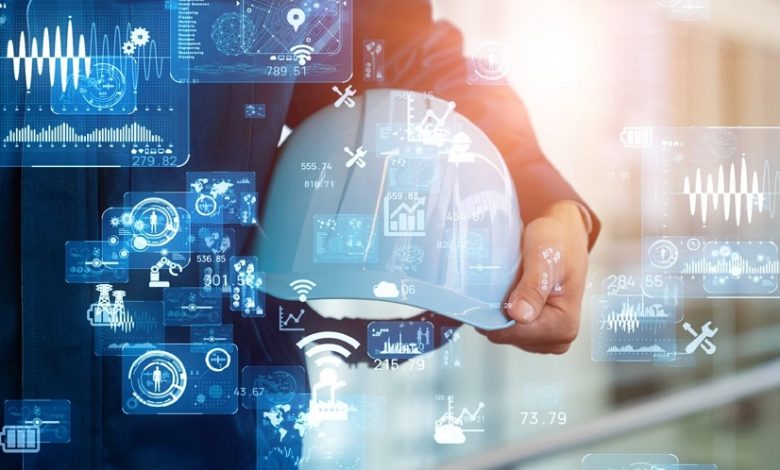
Buildings and equipment have a way of receding into the background of our everyday lives. Until they break down. It’s 6 am and your heating system doesn’t respond. Sending your team into a busy day without heat. The door won’t unlock for your employees during the busiest time of day. Critical equipment downtime forces your operation to a standstill.
But most of the time, building systems and equipment hum along quietly behind the scenes, going largely unnoticed. It’s easy to forget how dependent we are on them to keep our homes running, our families comfortable and safe, and our businesses operational.
That’s changing with technology. Buildings and equipment are starting to work harder for us. Spaces are getting smarter by understanding our behaviors, equipment is improving uptime by anticipating issues before they occur, and operations are streamlining energy use to prevent waste while maintaining the environments we’ve come to expect. Solutions like intelligent energy management and predictive monitoring are enabling facilities teams to focus on overall performance instead of constantly putting out fires.
This shift isn’t about chasing after the latest trendy features or “cool” factor. Making buildings and equipment more intelligent means we can help facility managers increase safety and productivity while giving themselves one less thing to worry about.
Smart Building Technologies Transforming Infrastructure
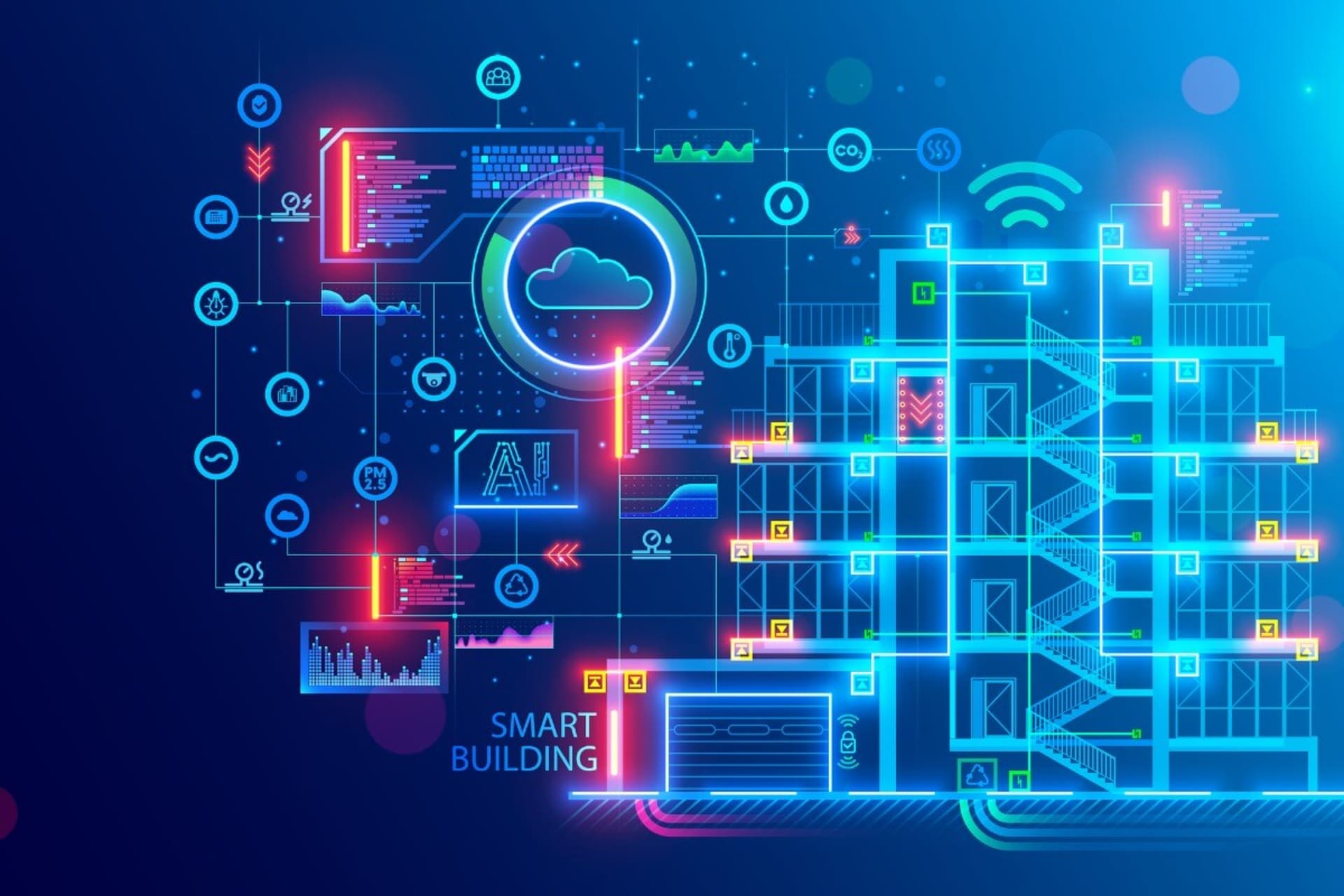
Smart buildings use technology to revolutionize infrastructure. Implementing IoT, smart HVAC, and automatic energy controls can help your building run more efficiently and intelligently.
Internet of Things for Real-Time System Monitoring
IoT helps you track building operations as they’re happening. Sensors inside and outside your building allow you to see how much energy you’re using, the temperature, and more as soon as an issue arises.
You’ll know immediately if something isn’t working right, so you can fix it before it becomes a bigger issue. You can improve safety and efficiency while using less energy and saving money. And you can check in on things from afar using a smartphone or tablet.
Intelligent HVAC and Climate Control Solutions
Smart HVAC systems respond to dynamic conditions, which helps keep your space comfortable without wasting energy. Sensors built into the system determine whether people are present and what the climate is like, then react accordingly. They keep you comfortable while reducing energy consumption.
Additionally, smart HVACs learn your habits and allow you to customize your climate experience. You can relax while the system learns your preferences and adjusts itself.
Energy Efficiency Through Automated Management
Automated energy management solutions can enhance energy efficiency by controlling lighting, heating, and electrical loads based on occupancy and other factors. Schedule energy usage during off-peak hours with dynamic scheduling and save on energy costs without disrupting your business.
Connect with renewable energy sources and take your building’s energy efficiency to the next level. By installing automated energy solutions, you can reduce energy expenses and live green.
How Modern Equipment Systems Are Evolving
Equipment systems are rapidly progressing from mechanical machines into smart-data machines. Manufacturing equipment, construction equipment, and commercial building systems are designed from the ground up to operate more efficiently, reliably, and durably over their lifespan.
With connectivity, remote monitoring and controls, and automation already changing the face of equipment management, one concept that is growing in prevalence is moving from fixing things when they break to managing entire systems.
Teams are installing sensors to monitor pressure, temperature, vibration, runtime and more. This gives them a birds-eye view of their systems and advanced notice when something may be operating inefficiently, or about to fail. In many cases, this data is used in collaboration with a hydraulic systems supplier to ensure system components are correctly specified, maintained, and optimised for long-term performance.
Predictive Maintenance with Machine Learning
Predictive maintenance involves analysing equipment information gathered through machine learning to identify patterns and anomalies that can predict wear or deterioration of performance.
Rather than servicing equipment on a pre-set schedule, machines are serviced according to their condition. Fewer unnecessary maintenances are performed, increasing uptime and improving equipment longevity.
When risks are detected early on, maintenance can be scheduled more efficiently, reducing operational interruptions and allowing for better resource allocation. Predictive maintenance can achieve uniform performance across numerous asset types and operational conditions.
Digital Twin Technology for Equipment Management
Digital twins allow teams to create digital replicas of physical equipment using data from real-time operations. Performance can be simulated, changes tested and upgrades analyzed without impacting actual operations. This is particularly useful for complicated systems where precision and reliability are essential.
Digital twins can enable better forecasting and planning, allowing you to optimise performance and minimise waste. Plus, you can focus on meeting your sustainability goals with data-backed decision-making. Continued use can lead to streamlined operations.
Integration and Long-Term Reliability
Equipment systems today are integrated with building management systems, energy monitoring platforms and safety systems. Intelligent connectivity provides a holistic view and tighter coordination between systems. Reliability increases, maintenance becomes easier, and long-term efficiency is built into the foundation.
Technological advancements will continue driving equipment systems to be more durable, flexible and manageable. With these benefits, downtime shrinks, costs are kept in check and steady performance is maintained even in the harshest of conditions.
Shaping Smarter, More Resilient Systems for the Future
Smart technology isn’t an afterthought anymore. It’s the key differentiator that allows buildings and equipment to perform better, safer, and more efficiently. Whether that’s smart monitoring, energy management, security, or preventative maintenance, these solutions are changing the way we think about facilities and infrastructure.
Building connected systems helps you focus on proactive care instead of constantly putting out fires. IoT technology like real-time insights, automation, and digital twins empower you to keep equipment running longer, experience less downtime, and make smarter decisions that positively impact operations and ESG initiatives.
Ready to build a better tomorrow? Invest in smart technology that you can count on to create safer, more efficient buildings that save you money both now and down the road.