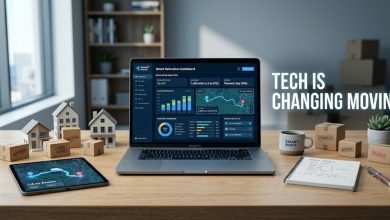

Resilience has become a defining priority in how we design both homes and workspaces. Climate uncertainty, grid instability, hybrid work models, and rising energy costs are forcing individuals and organizations to think beyond aesthetics or square footage. Infrastructure decisions now influence continuity, productivity, and long-term operational stability.
At the same time, artificial intelligence is quietly reshaping how infrastructure is planned, monitored, and optimized. From energy systems to building materials, modern spaces are increasingly designed with data, adaptability, and automation in mind. The result is a new generation of environments that are not only functional but resilient.
Infrastructure as a Strategic Layer
Traditionally, infrastructure decisions were treated as background considerations, necessary but rarely strategic. Today, they sit closer to the center of decision-making. A building’s energy system, connectivity, climate control, and materials all influence how well that space performs under stress.
For businesses, infrastructure resilience translates into fewer disruptions and more predictable operating costs. For homeowners, it means greater independence and comfort. In both cases, infrastructure has become part of a broader risk-management strategy.
AI tools increasingly assist planners by modeling consumption patterns, forecasting energy demand, and identifying efficiency opportunities. This moves infrastructure planning from reactive to predictive.
Energy Resilience and Intelligent Power Systems
Energy is often the first point of vulnerability in any environment. Grid outages, peak pricing, and weather events can disrupt both daily life and business continuity. As a result, hybrid energy systems, combining solar generation, storage, and smart management, are gaining traction.
Modern inverter technology plays a central role in these systems. Advanced inverters not only convert power but also manage flows between solar panels, batteries, and grid connections. They enable prioritization logic, backup readiness, and remote monitoring.
Some infrastructure planners explore solutions like sol ark inverters when evaluating hybrid solar architectures designed for resilience and energy autonomy. Technologies in this category illustrate how power systems are becoming smarter and more integrated into overall infrastructure strategy.
AI-driven energy management systems add another layer. They can optimize when to store, use, or sell power based on predictive analytics. This turns energy infrastructure into an active asset rather than a passive utility.
Connectivity and the Data Backbone
Resilient spaces also depend on strong digital infrastructure. High-speed connectivity, redundancy planning, and secure networks are now as critical as plumbing or electrical wiring.
Remote work, cloud applications, and IoT devices require stable connectivity. AI-enabled monitoring systems can detect anomalies in network performance and anticipate failures before they happen.
In commercial settings, connectivity resilience directly impacts revenue. In residential settings, it shapes quality of life. Either way, digital infrastructure has become foundational.
AI-Enabled Building Intelligence

Image by dasun404malaka on Freepik
Smart buildings increasingly rely on AI to optimize operations. Sensors collect data on occupancy, temperature, humidity, and energy use. AI systems analyze these inputs to adjust lighting, HVAC, and ventilation automatically.
This creates environments that respond dynamically rather than relying on static settings. Over time, such systems learn usage patterns and improve efficiency.
Predictive maintenance is another benefit. AI can flag equipment likely to fail before breakdowns occur, reducing downtime and repair costs.
These capabilities shift buildings from being static assets to intelligent systems that evolve with their users.
Interior Environments and Long-Term Usability
Resilience is not only technical; it is also human. Spaces must support comfort, wellbeing, and long-term usability. Material choices, layout decisions, and aesthetic considerations influence how people feel and perform in a space.
Research increasingly shows that well-designed environments can improve focus, reduce stress, and support productivity. Natural materials, balanced lighting, and thoughtful design elements all play roles.
Some planners and homeowners look to design-focused resources such as Colin and Finn for ideas on creating interiors that balance comfort, aesthetics, and functionality. While design may seem separate from infrastructure, it contributes to the long-term viability of a space by ensuring it remains adaptable and supportive of its occupants.
A resilient workspace is not just operationally stable; it is also livable and inspiring.
The Convergence of Sustainability and Resilience
Sustainability and resilience increasingly intersect. Energy efficiency, durable materials, and adaptable systems reduce both environmental impact and vulnerability.
AI supports this convergence by enabling better forecasting, optimization, and lifecycle management. It helps decision-makers understand trade-offs and plan for long-term outcomes rather than short-term savings.
As regulations and ESG considerations grow in importance, infrastructure decisions will likely face greater scrutiny. AI-assisted planning offers a way to navigate these complexities intelligently.
Looking Ahead
The future of infrastructure planning is data-informed and AI-assisted. Decision-makers will rely more on predictive insights and less on assumptions. Buildings will become platforms for intelligence, not just shelters.
Resilient homes and workspaces will integrate energy autonomy, connectivity redundancy, intelligent monitoring, and human-centric design. The goal is not just survival during disruptions but continuity and performance.
AI does not replace good design or sound engineering, but it enhances both. It provides the insights needed to make infrastructure decisions that stand the test of time.
Infrastructure is no longer invisible. It is a strategic layer that shapes how we live and work. In an uncertain world, resilience is not a luxury, it is a requirement.
Modern infrastructure decisions, guided by data and enabled by AI, are redefining what resilient environments look like. They combine intelligent energy systems, digital connectivity, adaptive building operations, and thoughtful design.
The spaces of the future will not simply be built; they will be informed. And in that shift lies the real promise of AI in the built environment.