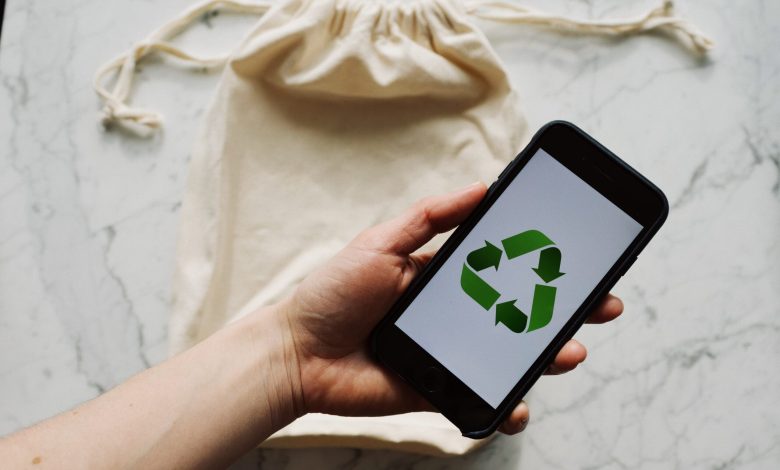
Electronic waste is one of the fastest growing environmental challenges in modern technology. Smartphones are replaced frequently, often long before they stop functioning. Short upgrade cycles, combined with limited reuse, result in millions of devices entering waste streams each year. Reducing this impact depends largely on how long devices remain usable and how effectively they are reused.
Durable smartphones contribute to sustainability by staying in circulation longer and supporting reuse models such as refurbishment. Instead of replacing devices every cycle, consumers increasingly turn to refurbished smartphones to extend product lifespans. Long-lifecycle devices such as Apple iPhones are often referenced in sustainability discussions due to their durable hardware and extended software support. Examples like refurbished Apple iPhone 15 models demonstrate how newer smartphones can continue serving users while reducing the need for new manufacturing.
Why Smartphone Durability Matters for Sustainability
Durability directly affects how often devices are discarded. A smartphone that remains functional for several years reduces both waste generation and the demand for raw materials.
Key durability factors include:
- Strong build materials that withstand daily wear
- Efficient processors that remain usable over time
- Long-term operating system and security updates
When these elements are present, smartphones are less likely to be replaced prematurely.
The Environmental Cost of Short Upgrade Cycles
Replacing smartphones frequently has environmental consequences that extend beyond the device itself. Manufacturing new phones requires energy, water, and rare materials. Transport and packaging further increase emissions.
Short upgrade cycles accelerate resource extraction and increase manufacturing output, both of which contribute directly to rising levels of electronic waste.
How Refurbishment Extends Smartphone Lifecycles
Refurbishment helps reduce electronic waste by restoring used smartphones to full working condition instead of discarding them. Devices returned through upgrades or early replacements are inspected, tested, and prepared for reuse. Working with refurbished phone specialists ensures devices undergo rigorous quality checks before re-entering the market.
A typical refurbishment process includes:
- Hardware diagnostics to identify faults
- Battery health checks and replacement when needed
- Secure data removal and system resets
This process allows smartphones to reenter circulation and supports multiple ownership cycles.
Refurbished Smartphones and the Circular Economy
The circular economy emphasizes reuse and extended product lifespans. Durable smartphones fit well within this model by remaining functional beyond a single ownership period.
Refurbishment reduces the need for new manufacturing and limits waste accumulation by keeping existing devices in active use. Over time, this approach lowers environmental strain and supports more sustainable technology consumption.
Software Support and Long-Term Usability
Software support plays a key role in determining how long a smartphone remains usable. Devices that continue receiving updates and security patches stay compatible with modern applications for longer periods.
Extended software support also improves the effectiveness of refurbishment, ensuring smartphones remain secure and functional even after changing ownership.
Changing Consumer Habits Around Smartphones
Consumer behavior strongly influences electronic waste levels. Many smartphones are replaced due to preference rather than technical failure. While innovation drives progress, frequent upgrades shorten device lifecycles.
Choosing refurbished Apple iPhones and extending ownership periods helps reduce waste while maintaining everyday usability.
Practical Steps Toward Reducing Smartphone E-Waste
Reducing electronic waste does not require major lifestyle changes. Small shifts in purchasing and usage habits can make a meaningful difference.
Selecting durable devices, extending ownership, and considering refurbished options when replacement becomes necessary all contribute to lower environmental impact. Consumers looking for reliable pre-owned devices can explore guides on the best used smartphones to make informed purchasing decisions.
Final Thoughts
Durable smartphones help reduce electronic waste by supporting longer lifespans and reuse through refurbishment. Keeping devices in circulation longer reduces manufacturing demand and limits environmental impact.
As sustainable tech trends continue to reshape the industry, durability and refurbishment offer practical solutions to the growing challenge of electronic waste.