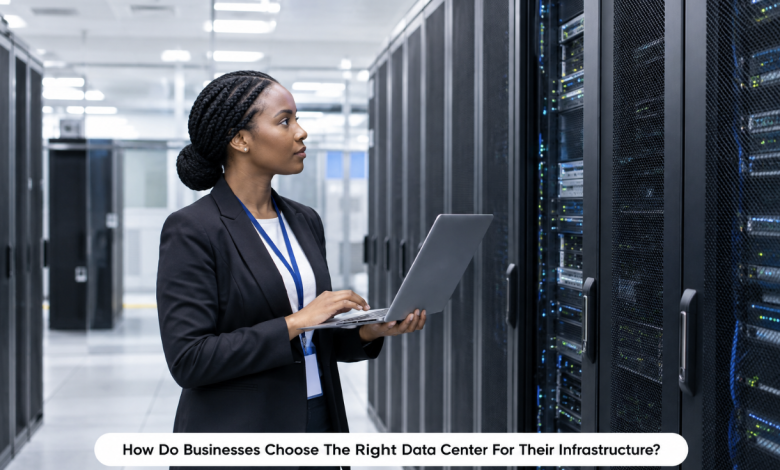
Even if a business invests in reliable servers, advanced security tools, and well-designed applications, those systems can still fail if the supporting data center isn’t up to par. The facility supporting a company’s IT environment directly affects uptime, connectivity, security, scalability, and day-to-day operating costs.
That is why selecting a data center isn’t just about price comparisons or visiting impressive facilities. For businesses, it is important to consider how each option supports their existing infrastructure, handles unforeseen challenges, and scales as the business grows. The right choice may improve performance and reliability, while the wrong choice can cause costly disruptions.
Here are a few key factors that can help organizations make a confident decision.
-
Location and Connectivity
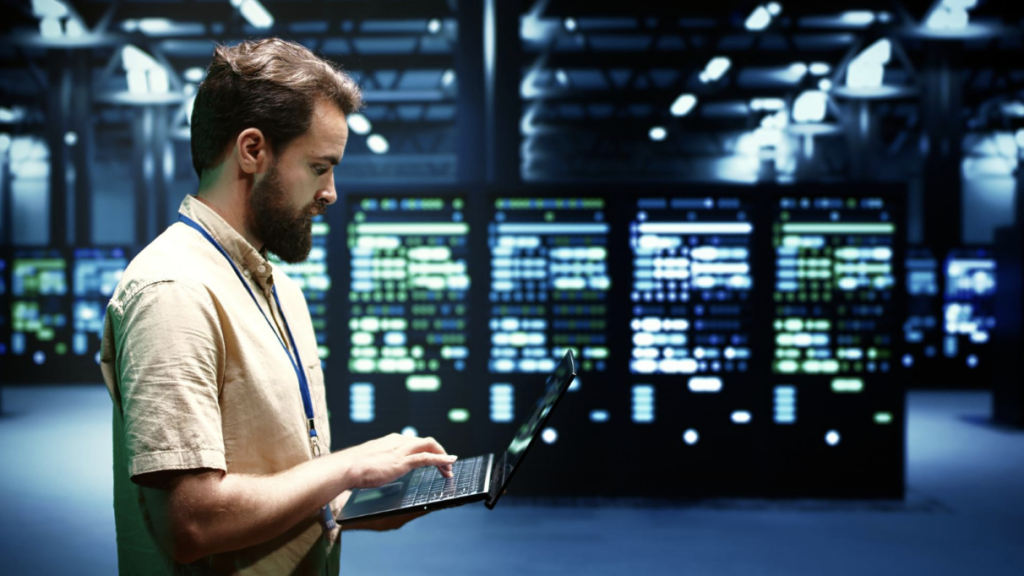
Location is one of the top factors businesses consider when choosing a data center. The right facility must be positioned to provide reliable connectivity to employees, customers, cloud platforms and other critical systems.
For example, for companies considering Florida data centers, the local connectivity landscape can be a major factor. A well-sited facility can provide access to major network routes, Internet service providers and business markets while helping to reduce latency for users in neighboring regions.
But geography is not the only location criterion. Businesses should also consider available network carriers, connection options, latency, and redundancy. Data centers with many connectivity providers offer organizations more flexibility and reduce reliance on a single network path.
(Source)
-
Power Reliability and Redundancy
Reliable power is vital to data centers since even a brief power outage can have significant business impacts. As such, businesses should consider the facility’s response to routine power outages and unexpected failures.
A dependable data center will have backup features such as uninterruptible power supplies, generators, and dual electrical power systems. These systems keep critical equipment running during power outages.
Businesses should also know what maintenance and power-failure procedures the facility uses. Redundancy ensures critical systems keep operating if a key component is undergoing maintenance or fails.
-
Physical and Digital Security
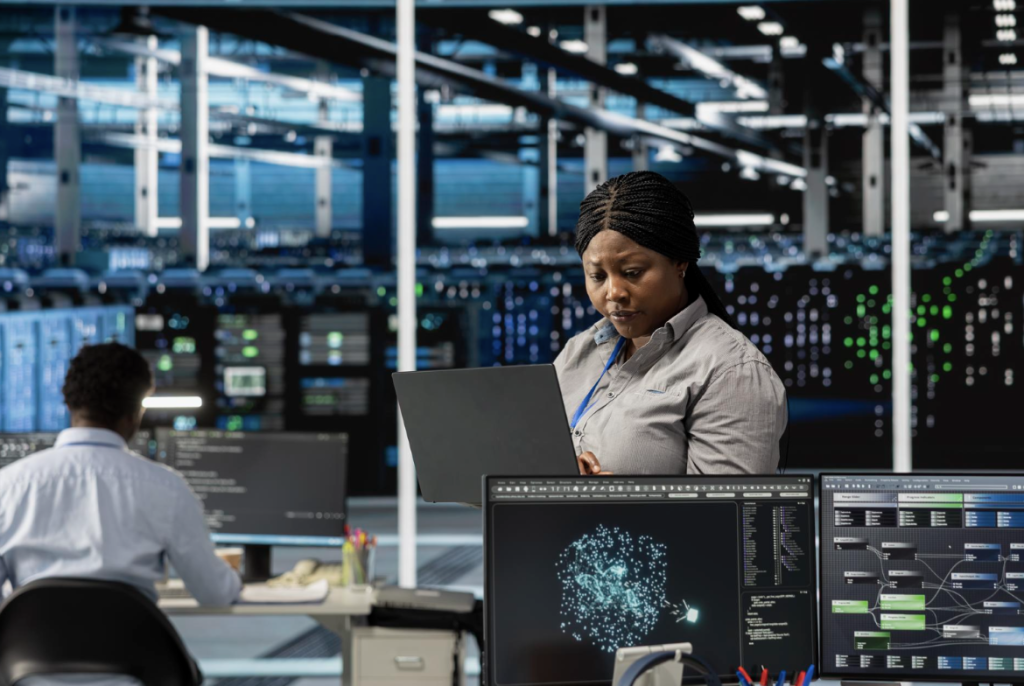
Protecting business infrastructure goes beyond installing firewalls and cybersecurity software. The physical environment housing servers and networking equipment also requires strong security controls.
Businesses may consider features such as: controlled access points, surveillance cameras, security personnel, visitor management and restricted access to areas containing equipment. These measures can help to prevent unauthorized persons from accessing sensitive hardware. Digital security is equally important.
Organizations should evaluate the data center’s network security, monitoring, incident response and appropriate compliance certifications. Exact requirements depend on the type of data the company has and the regulations that apply to the industry.
(Source)
-
Scalability for Future Growth
A data center that meets a company’s needs today might not fit in several years. As businesses add applications, users, storage, and computing resources, their infrastructure needs can expand.
So consider scalability from the start in your selection process. Businesses should ask whether the facility can provide additional power, rack space, bandwidth, cooling capacity and other resources as they’re needed.
This is especially true for growing companies. Moving infrastructure to another facility when capacity is exhausted can lead to unnecessary costs and operational disruption. A facility that can expand incrementally may offer more value over time.
-
Cooling and Environmental Controls
Servers and networking gear generate a lot of heat. When temperatures are too high and the equipment isn’t properly cooled, performance can degrade, failure rates can rise, and hardware life can shorten.
Businesses should consider how the data center handles temperature, humidity, airflow and other environmental factors. Modern facilities may have sophisticated cooling systems that are designed to control energy use while maintaining stable conditions.
Environmental controls can become especially important for organizations running equipment with high computing needs. Companies should also ensure that the facility can support their particular hardware rather than assume all data centers have the same cooling capabilities.
-
Reliability and Uptime Standards
Downtime affects productivity, customer service, revenue and reputation. For this reason, companies should closely review a data center’s reliability record and infrastructure design.
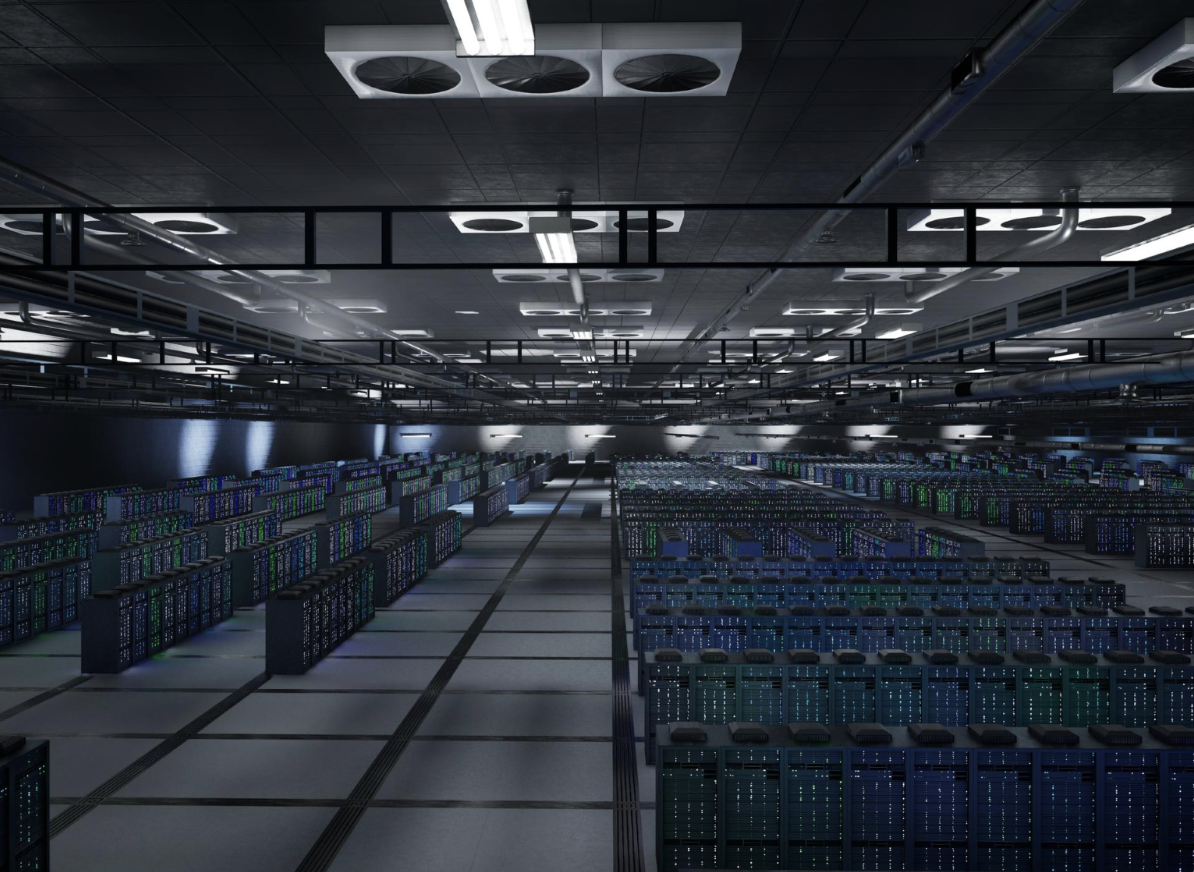
Instead of simply looking at an advertised uptime figure, organizations should investigate the systems that support that level of uptime. This can include redundant power, multiple network connections, backup cooling systems, monitoring and documented disaster recovery procedures.
Businesses must also know the facility’s maintenance policy. With sufficient notice and clear information on how critical systems will remain operational during the work, organizations can better manage planned maintenance.
(Sources)
-
Compliance Requirements
Every business has different legal and regulatory responsibilities. If a company handles financial information, healthcare records, customer data or other sensitive information, it may need specific security and compliance controls.
Businesses should identify the standards relevant to their operations before choosing a facility, and confirm that prospective data centers can meet those requirements.
Certifications can be helpful evidence of a facility’s processes, but companies still need to dig deeper into what those certifications actually mean. Compliance isn’t a one-size-fits-all checklist; it must be tailored to the organization’s specific needs.
Conclusion
Companies need to consider more than just the physical structure when choosing a data center. Location, connectivity, power reliability, security, scalability, cooling, uptime, compliance, and total cost are all factors that determine a facility’s suitability for a particular infrastructure.
The best fit is the facility that most closely reflects the company’s technical requirements and objectives. Evaluating these factors before investing helps businesses build a stronger foundation for sustainable infrastructure and reduces the risk of disruptive, costly investments as scale grows.