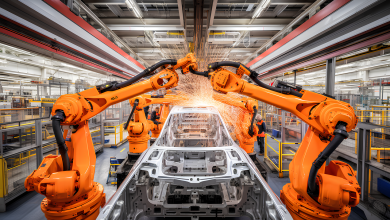
Digital transformation is no longer a buzzword in manufacturing and construction. It’s becoming the foundation of how modern projects are planned, executed, and delivered. From factory floors to construction sites, companies are adopting smarter systems to reduce delays, cut costs, and improve quality without adding unnecessary complexity.
In manufacturing, connected machines, real-time data tracking, and automated workflows are helping teams spot inefficiencies before they become expensive problems. In construction, digital planning tools, and mobile reporting apps are improving coordination between field crews and office teams.
In this article, we’ll dive deeper into learning more on how businesses can embrace digital tools and gain better visibility into their operations, and have stronger control over timelines and budgets.
Smarter production planning and scheduling
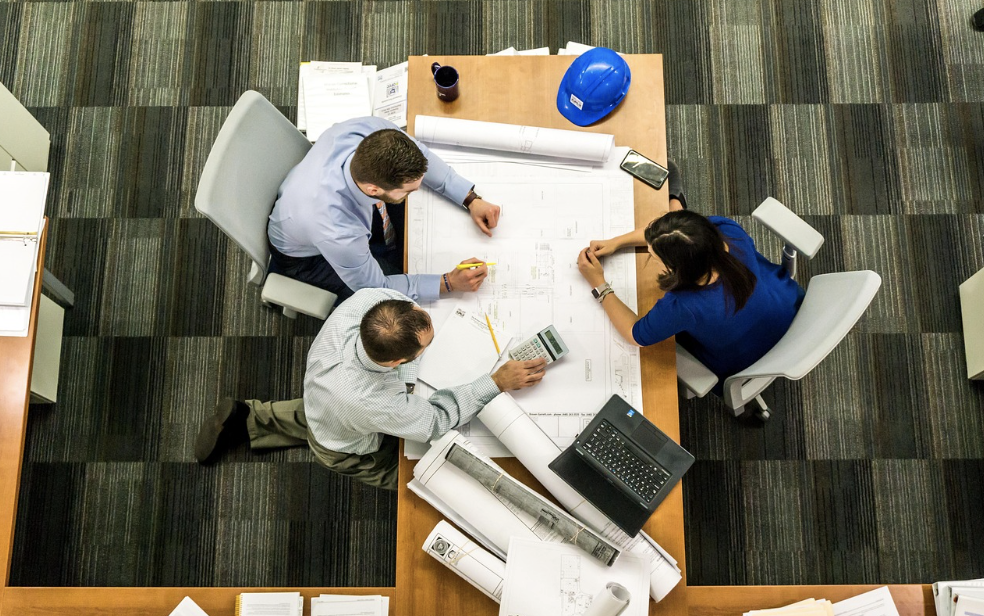
Modern digital tools are transforming how manufacturers and builders plan their work. With better software and connected systems, teams can model production schedules, allocate resources more precisely, and adjust plans in real time when delays or changes happen. These tools can help reduce costly downtime, balance workloads, and make sure that materials arrive when needed, not too early and not too late.
For businesses looking to upgrade their planning systems, choosing one of MrPeasy’s top production planning software solutions can make a major difference. These platforms often include features like demand forecasting, real-time updates, and integration with other business systems, giving decision-makers the information they need to keep operations running smoothly.
Digital twins and 3D modeling
Digital twins and 3D modeling are changing how manufacturing plants and construction projects are designed, tested, and improved. Instead of relying only on drawings or static plans, teams can now create detailed digital replicas of machines, production lines, buildings, and even entire facilities.
A digital twin is a virtual model of a real-world asset. It uses live data from sensors and connected systems to mirror what is happening in real time. In manufacturing, this means engineers can monitor equipment performance, predict maintenance needs, and test adjustments before making physical changes.
In construction, digital twins allow project managers to track progress, identify clashes, and optimize workflows before issues appear on site.
Also, 3D modeling plays a key role in this process. Advanced modeling tools help teams visualize every component of a product or structure with precision. In construction, Building Information Modeling (BIM) allows architects, engineers, and contractors to collaborate on the same digital model. This reduces misunderstandings, prevents costly rework, and improves coordination between trades.
The biggest advantage is risk reduction. Instead of experimenting in the real world, companies can simulate different scenarios digitally. They can test production capacity, energy usage, material flow, and structural integrity without having to disrupt daily operations.
Construction management software
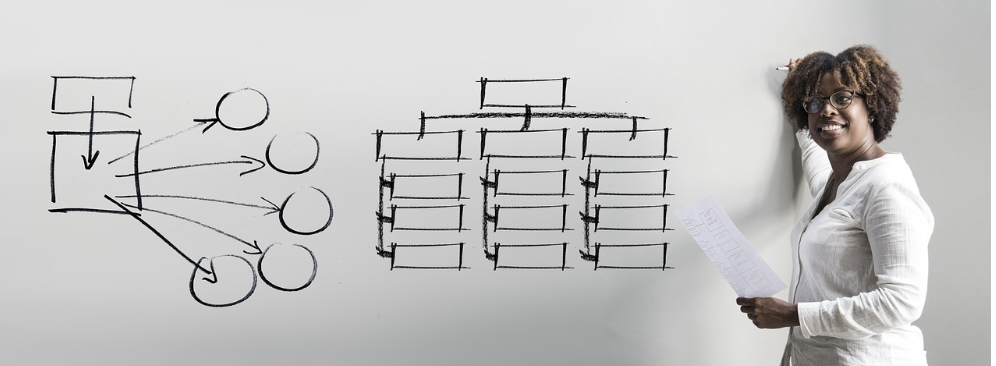
Construction projects involve many moving parts: schedules, teams, materials, budgets, and deadlines. Keeping all of that organized without the right tools can be tough. That’s where construction management software comes in. These platforms help project managers, contractors, and field teams stay aligned from the initial plan through to final completion.
One example of an excellent tool is Fieldwire’s construction management software. It provides features that make communication and coordination much easier. Teams can share up-to-date plans, track progress in real-time, submit issues from the field, and keep everyone on the same page.
With systems like this, project teams can reduce delays caused by miscommunication, avoid costly errors, and make faster decisions based on accurate data. Schedules stay tighter, updates are transparent, and information flows more smoothly between the office and the job site.
Automation and smart machinery
According to Qoblex, planned maintenance typically costs up to 40% less than emergency repairs while avoiding lost production. Automation and smart machinery are transforming both manufacturing floors and construction sites by boosting productivity while reducing errors and downtime. These systems use robotics, sensors, and advanced software to perform repetitive or precision tasks faster and more consistently than manual labor alone.
On construction sites, smart machinery, including robotics for bricklaying, automated concrete dispensers, and sensor-equipped heavy equipment improves efficiency and safety.
By combining digital control with physical machines, automation and smart machinery help businesses scale faster, cut waste, and improve quality, all while freeing human workers to focus on tasks that require creativity, problem-solving, and decision-making.
Having reliable statistics and real-world examples reinforces the value these technologies bring to modern manufacturing and construction.
Real-time data and IoT monitoring

Real-time data and Internet of Things (IoT) monitoring are helping manufacturers and construction teams operate with greater visibility and control. Instead of relying on manual reports or delayed updates, companies can track performance instantly through connected devices and centralized dashboards.
In manufacturing, IoT sensors monitor machine performance, energy usage, temperature, vibration, and output levels. This allows teams to detect irregularities early, schedule maintenance proactively, and prevent unexpected breakdowns. Managers can see production metrics in real time and adjust workflows immediately if something falls behind target.
On construction sites, connected equipment and mobile devices provide live updates on progress, material deliveries, equipment usage, and workforce activity. Project managers can compare planned timelines with actual performance and respond quickly to delays or inefficiencies.
By integrating real-time data with cloud platforms and analytics tools, businesses gain faster insights and better coordination between field teams and office staff. The result is smarter decision-making, fewer disruptions, and more predictable outcomes across both manufacturing operations and construction projects.
Cloud-based collaboration and project control
Cloud-based collaboration tools are reshaping how teams in manufacturing and construction communicate, share information, and manage complex projects. Instead of working from disconnected spreadsheets, emails, or paper documents, teams can access a centralized digital platform where plans, updates, and reports are stored in real time.
In manufacturing environments, cloud systems allow production managers, procurement teams, and executives to view the same live data from anywhere. When changes are made, everyone sees them immediately, and this is very important because when someone is misinformed, it can be very costly.
In construction, cloud platforms connect the office and the job site. Project managers can upload updated drawings, assign tasks, track progress, and approve changes without waiting for in-person meetings. Field crews can submit reports, photos, and issue logs directly from mobile devices, ensuring that information flows smoothly between all stakeholders.
Cloud-based project control also improves transparency. With dashboards and shared timelines, decision-makers can monitor budgets, schedules, and performance metrics in one place. This level of visibility helps teams identify risks early, maintain accountability, and keep projects moving forward with fewer delays.
AI-driven forecasting and risk management
AI is helping manufacturing and construction companies move from reactive decision-making to proactive planning. Instead of relying only on past reports and manual analysis, AI systems can process large volumes of operational data and identify patterns that humans might miss.
In manufacturing, AI-driven forecasting tools analyze historical production data, demand trends, supply chain inputs, and seasonal fluctuations to predict future output needs. This helps companies optimize inventory levels, prevent stock shortages, and reduce overproduction.
AI also improves financial risk management. By continuously analyzing performance data, it can flag unusual spending patterns, procurement inefficiencies, or contract risks. This strengthens oversight and gives leadership better control over margins.
The integrated digital ecosystem
As digital tools continue to evolve, the real advantage comes from connecting them into one integrated ecosystem. Instead of using separate systems for planning, scheduling, reporting, and communication, modern manufacturing and construction companies are linking their technologies together to create a unified workflow.
An integrated digital ecosystem connects production planning tools, IoT monitoring systems, cloud collaboration platforms, financial software, and AI analytics into a single data environment. Information flows automatically between systems, reducing manual data entry and eliminating miscommunication between departments. When production schedules change, procurement updates instantly. When site progress shifts, budgets and timelines can adjust much easier.
In manufacturing, this integration improves coordination between supply chain, operations, quality control, and leadership. In construction, it connects design teams, project managers, subcontractors, and clients on one shared platform. Everyone works from the same source of truth, which reduces miscommunication and rework that can cost everyone lots of time.
Digital tools are no longer optional upgrades
Yes, you read that right. They are no longer optional upgrades, but become an integral part of your daily work. The real impact happens when these tools work together, connected systems create better visibility across teams, projects, and assets. Problems are identified earlier, resources are used more effectively, delays become easier to prevent rather than manage.
As industries face tighter margins, higher client expectations, and increasing complexity, efficiency will continue to define success. Companies that invest in digital transformation today are building operations that are more agile and better prepared for the future of manufacturing and construction.