
In today’s rapidly evolving technological landscape, computer vision has emerged as a transformative tool integral to numerous industries. It is the capability of computers to interpret and understand visual information from the world. Guided by algorithms and machine learning, computer vision enables machines to analyze images and videos, simulating human visual perception. This technology has gained significant traction thanks to the increasing availability of sophisticated computer vision libraries and frameworks, such as the computer vision framework solutions, enhancing the ease of implementing advanced functionalities.
We are witnessing the integration of these libraries into various applications that improve efficiency, accuracy, and user experience. From enabling facial recognition in security systems to powering autonomous vehicles, computer vision is reshaping how we interact with technology. Many sectors, including healthcare, agriculture, and retail, leverage the power of computer vision to streamline operations, provide insights, and foster innovation. This blog post will delve into various compelling use cases of computer vision libraries in real life, showcasing their immense potential and versatility.
1. Facial Recognition and Surveillance
One of the most recognized applications of computer vision libraries is facial recognition, which has been widely adopted in security and surveillance systems. By using sophisticated algorithms, these libraries can process images and identify individuals in real-time. This capability is instrumental for various sectors, including law enforcement and retail.
For instance, in security applications, facial recognition can help identify potential threats or missing persons, enhancing public safety. Retailers use facial recognition to analyze customer demographics and behavior, allowing them to tailor marketing strategies and improve customer service. These libraries, drawing on extensive training datasets, ensure that facial recognition systems can effectively operate in diverse environments and lighting conditions, making them flexible and accessible for real-world use.
2. Autonomous Vehicles
The automotive industry is undergoing a revolution, primarily driven by advancements in computer vision. Autonomous vehicles utilize computer vision libraries to perceive their surroundings, allowing cars to navigate safely without human intervention. These libraries help process data from cameras and sensors, identifying obstacles, lane markings, and pedestrians.
By employing machine learning models, computer vision software enables vehicles to make informed decisions in real-time, thus enhancing driving safety. Companies like Tesla and Waymo are leveraging these capabilities to develop self-driving technologies. As the market for autonomous vehicles continues to expand, the role of computer vision libraries will be pivotal in ensuring safe and effective operations on public roads.
3. Healthcare Imaging
In the medical field, computer vision libraries play a crucial role in analyzing medical images, such as X-rays and MRIs. By employing advanced algorithms, these libraries can aid in diagnosing diseases and identifying abnormalities. For example, AI-driven tools can significantly reduce the time required for radiologists to interpret scans, improving diagnosis speed and accuracy.
Additionally, computer vision applications in healthcare can assist in monitoring patients, analyzing surgical procedures in real-time, and even guiding robotic surgical systems. As healthcare continues to embrace AI technologies, the integration of computer vision libraries will not only enhance diagnostic capabilities but also possibly save lives by enabling timely medical interventions.
4. Retail and E-commerce
In the retail industry, computer vision libraries are being used to enhance the shopping experience for customers. Techniques such as image recognition enable retailers to offer visual search capabilities, allowing consumers to upload images and find similar products online instantly. This innovation not only enriches the shopping experience but also drives sales conversions.
Moreover, in brick-and-mortar stores, computer vision can facilitate inventory management and analyze customer behavior. For instance, cameras installed in stores can track customer movement and engagement with products, providing valuable insights into consumer preferences. This information helps retailers optimize product placements and improve overall operational efficiency, showcasing the extensive application of computer vision in the retail sector.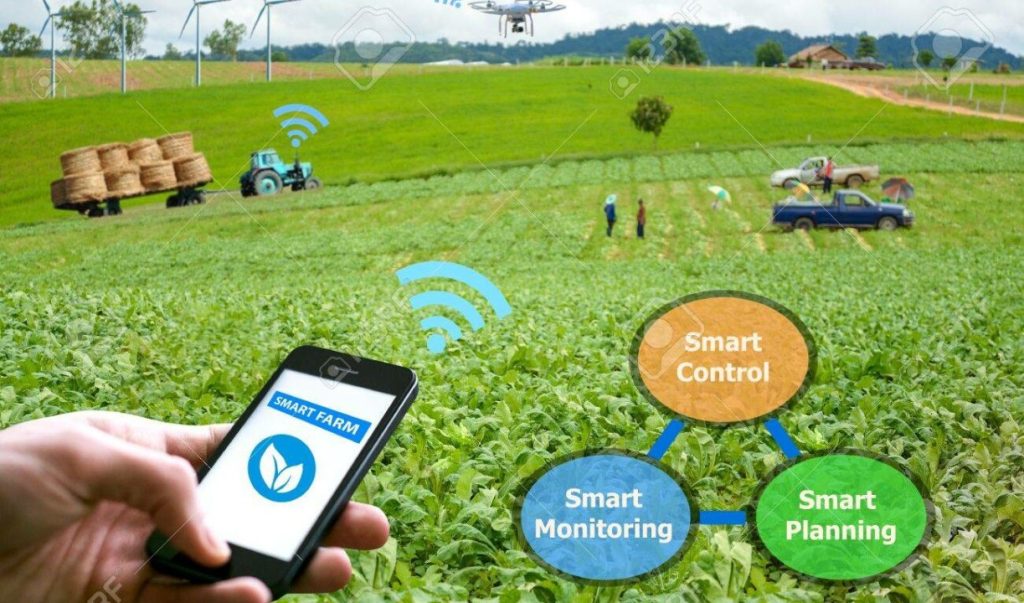
5. Agriculture and Crop Monitoring
In agriculture, computer vision libraries are transforming traditional farming methods through precision agriculture. These libraries are used to analyze images captured from drones or ground-based cameras, helping farmers monitor crop health, assess soil conditions, and predict yield.
By integrating computer vision with data analytics and machine learning, farmers can detect early signs of crop diseases or pest infestations, allowing for timely intervention and reducing waste. This not only helps increase crop yield but also contributes to sustainable farming practices. As technology continues to evolve, the role of computer vision in agriculture will only expand, offering innovative solutions to meet the world’s growing food demands.
6. Image and Video Analysis in Sports
Computer vision is increasingly being utilized in the sports industry to enhance performance analysis and fan engagement. Coaches and analysts leverage computer vision libraries to dissect game footage, providing insights into player performance, tactics, and potential areas for improvement.
These libraries can track player movements, analyze strategies, and even provide real-time feedback during games. Furthermore, sports broadcasters are employing computer vision for augmented reality features during live broadcasts, enriching the viewing experience for fans. As sports continue to embrace technology, the application of computer vision will contribute to the evolution of training and analysis, shaping the future of athletic performance.
FAQs
1. What are computer vision libraries?
Computer vision libraries are collections of pre-built functions and algorithms that enable developers to work with visual data, such as images and videos, simplifying the implementation of complex image processing tasks.
2. How do computer vision libraries work?
These libraries utilize machine learning and deep learning algorithms to analyze, interpret, and manipulate visual information, allowing applications to recognize objects, faces, and patterns in image data.
3. What industries benefit from computer vision?
Industries such as healthcare, automotive, agriculture, retail, and security leverage computer vision for various applications, ranging from safety and efficiency to enhanced user experiences.
4. Can computer vision be used in real-time applications?
Yes, many computer vision libraries are designed for real-time processing, making them suitable for applications like facial recognition and autonomous driving, where immediate feedback is crucial.
5. How do I get started with computer vision?
To begin with computer vision, familiarize yourself with relevant programming languages (like Python) and explore popular libraries such as OpenCV, TensorFlow, or Savant, which provide tools for building computer vision applications.
Final Thoughts
Computer vision libraries are revolutionizing how we interact with the world, enabling machines to interpret visual data similarly to humans. Their applications in various sectors demonstrate incredible potential for enhancing efficiency, accuracy, and safety. As technology advances, the impact of computer vision will continue to grow, paving the way for innovative solutions that improve everyday life.
Whether in healthcare, automotive, agriculture, or retail, computer vision is already making a significant difference, and its future prospects are undeniably bright. Embracing these advancements will not only foster innovation but also set the foundation for a more connected and intelligent world.