

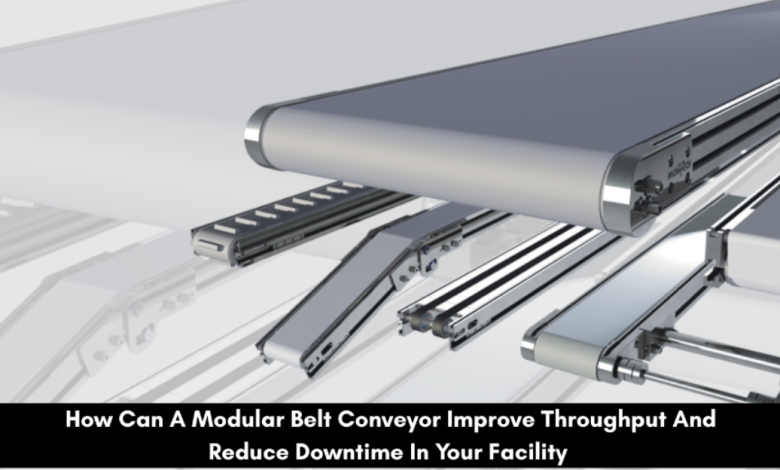
A delay in production is seldom caused by a single significant failure, but it accumulates over time through minor inefficiencies like jams, slow transfers, and frequent maintenance halts. Consequently, these problems lower throughput and complicate consistent output maintenance.
Besides, traditional systems in most facilities are incapable of accommodating layout changes or different products, further prolonging downtime. As a result, any minor changes may cause time-consuming delays that impact productivity.
Nonetheless, a modular belt conveyor is a more flexible and reliable way to handle material. It directly addresses the gaps in operations that slow down the performance by enabling fast reconfiguration, improved product flow, and easy access to the systems.
Besides this, its design promotes uniform movement in various applications without regular breakdowns.
The article describes how modular belt conveyor systems can be used to enhance throughput and to minimize downtime in a real, quantitative way.
1. Flexible System Design Supports Continuous Operations
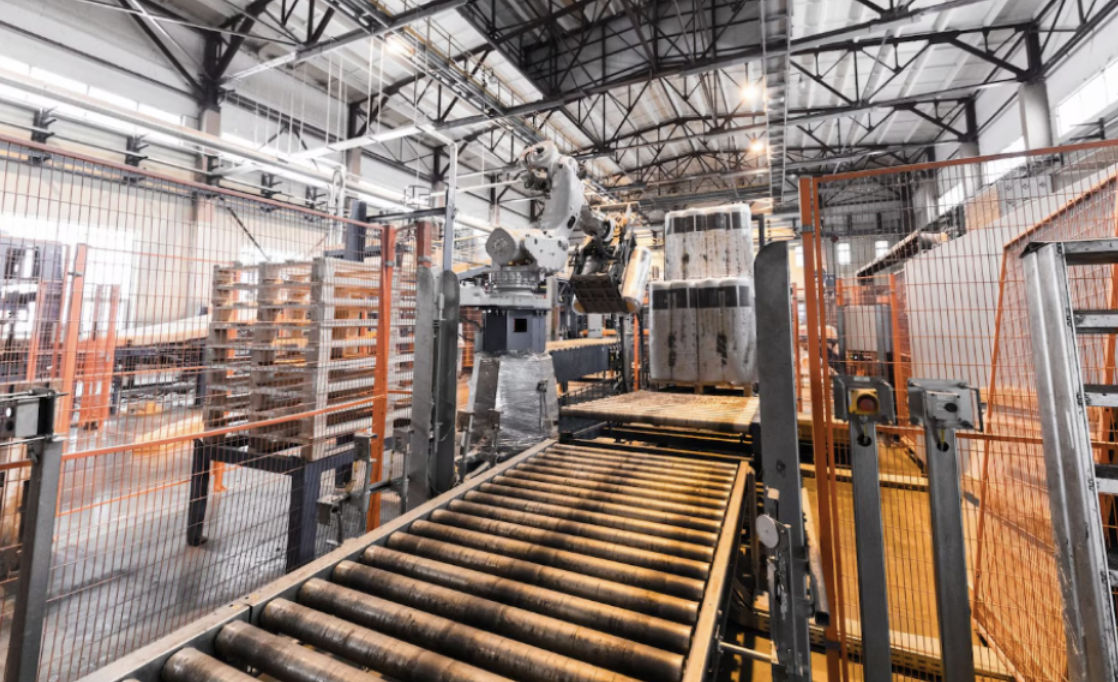
A modular belt conveyor is constructed with interlocking parts that can be reconfigured without necessarily having to recreate the entire system. Consequently, you are able to make layout changes fast whenever the production needs vary. This adaptability decreases the reconfiguration time of the system and delays in system operations.
Moreover, the modular structures can be subsequently extended or trimmed down whenever necessary. Thus, rather than getting new equipment, you can modify the existing ones to suit the new needs. This saves time as well as makes sure that production goes on with minimal interruption.
In addition, the capacity of combining curves, inclines, and declines into a single system supports easier product transitions. As a result, materials flow without bottlenecks, and as such, throughput is enhanced throughout the facility.
This flexibility ensures that the system fits in a very broad spectrum of industries where production needs are often fluctuating.
2. Consistent Product Flow Reduces Bottlenecks
Throughput relies on the uninterrupted flow of products during every phase of production. Delays occur when the transfers are not even. Nevertheless, modular belt conveyors offer a steady and controlled movement, despite the shape or size of the items.
Since they have a stable surface, products are properly aligned when transporting. Consequently, there is reduced risk of falling, sliding, and displacement. This uniformity minimizes disruptions, which normally slow down operations.
Moreover, better flow within stations reduces the points of accumulation. As a result, the materials are delivered to downstream processes at a constant rate, and this assists in keeping the rhythm in production and avoiding wasteful delays.
Furthermore, effective movement throughout the system may help to cut down on energy consumption through needless stops and restarts in operation.
3. Simplified Maintenance Minimizes Downtime
The primary cause of downtime is often maintenance, particularly of those systems that are not easily accessible or that are hard to fix. Modular belt conveyors, however, make this easier with easily replaceable parts.
Moreover, you can easily replace parts of a system rather than shutting down the whole system in order to repair it. Consequently, fewer resources and less time are needed to perform maintenance tasks. This proactive strategy facilitates prompt operations following any kind of problem.
Furthermore, the modular construction enables faster accessibility and substitution of the separate parts, contributing to the shortening of the maintenance process. As a result, maintenance is easier without having a serious impact on production flow.
4. Durable Materials Extend Operational Efficiency
The durability of materials is very important in ensuring consistent performance. When the components are weak or fail easily, the systems need a lot of repairs, and this disrupts workflow. Nonetheless, high-strength materials that are meant to withstand harsh working environments are normally used to build the modular belt conveyors.
In addition, these materials support reliable performance across varying environments and workloads. As a result, the system continues to function consistently even under continuous use. This reduces the likelihood of unexpected failures that can interrupt production.
Moreover, dependable components contribute to more predictable maintenance planning. Consequently, you can schedule servicing without affecting throughput, ensuring steady operations over time.
5. Efficient Cleaning Supports Faster Restart Times
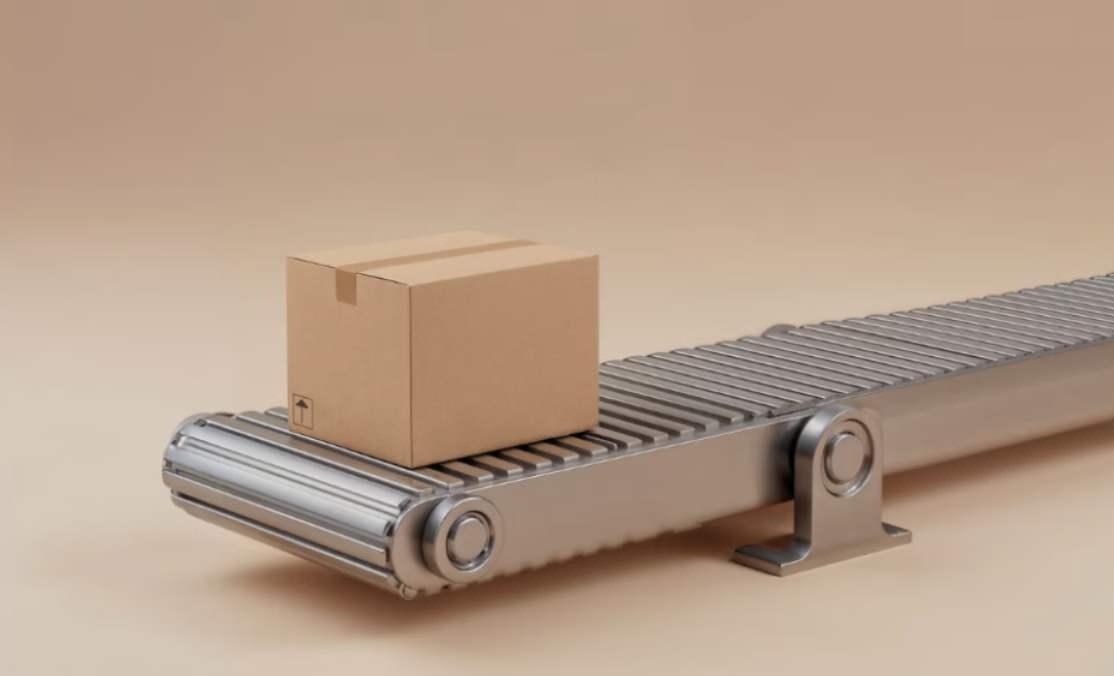
In many industries, cleaning is a necessary but time-consuming process. Traditional systems often require partial disassembly, which increases downtime. In certain applications, modular belt conveyors allow easier access for cleaning compared to more enclosed systems.
This improved accessibility helps reduce the time required to complete routine cleaning tasks. As a result, maintenance processes become more efficient without extending production interruptions.
Additionally, quicker cleaning procedures support faster restart times. Therefore, operations can resume sooner, helping maintain consistent throughput and reducing idle time within the facility.
6. Integration Capabilities Improve System Coordination
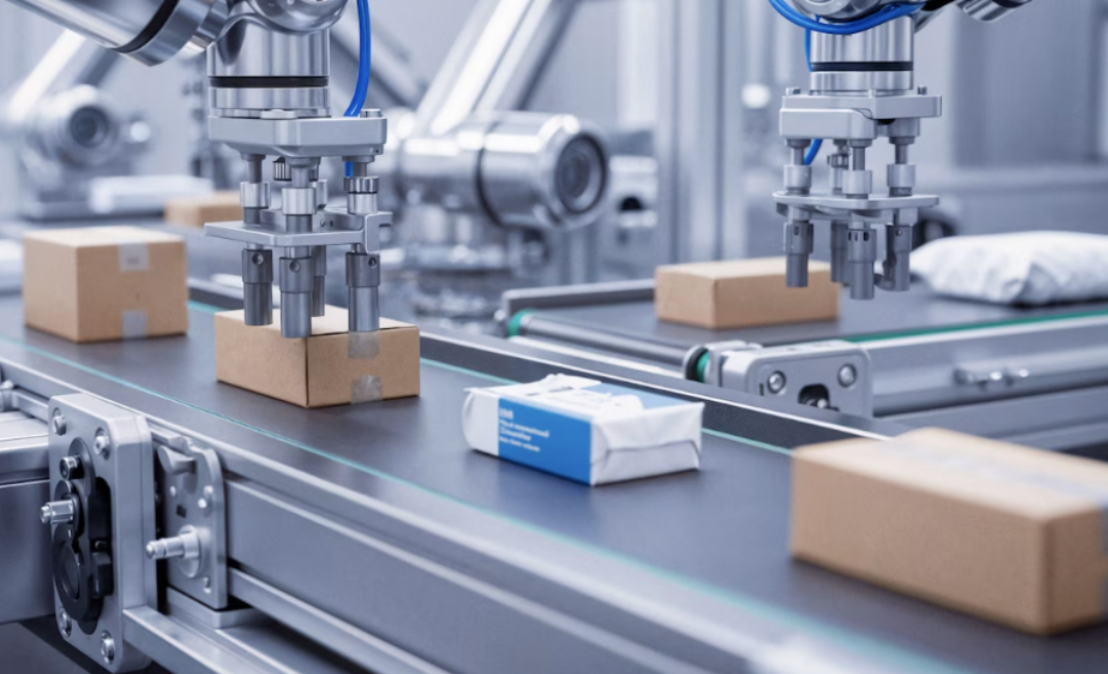
Modern facilities rely on multiple systems working together seamlessly. When equipment lacks compatibility, coordination becomes difficult, and delays follow. However, modular belt conveyors integrate more easily with systems such as automation units, sensors, and sorting mechanisms.
This compatibility improves coordination between production stages. As a result, processes become more synchronized, reducing delays caused by manual adjustments or mismatched speeds.
Furthermore, integrated systems improve monitoring and control, enabling early issue detection and faster adjustments. This allows the conveyor to operate within a larger automation setup rather than as a standalone unit.
Bottomline
Improving throughput and reducing downtime requires systems that support flexibility, consistency, and reliability. Modular belt conveyors contribute by enabling quick adjustments, maintaining steady product flow, and simplifying maintenance. As a result, facilities can reduce interruptions and achieve more predictable performance.
In addition, their adaptability across applications and compatibility with integrated systems support long-term efficiency. Consequently, operations become easier to manage while minimizing delays. By focusing on flow, accessibility, and coordination, modular conveyor systems create a more stable and responsive material handling process.