

Food quality starts to slip long before a product looks obviously bad. Texture, color, moisture, and flavor can all change when temperature control is slow or inconsistent.
That’s one reason many food businesses turn to blast freezing early in the handling process. It helps lock in product quality quickly, which matters whether you’re moving seafood, produce, prepared meals, baked goods, or proteins.
What blast freezing protects
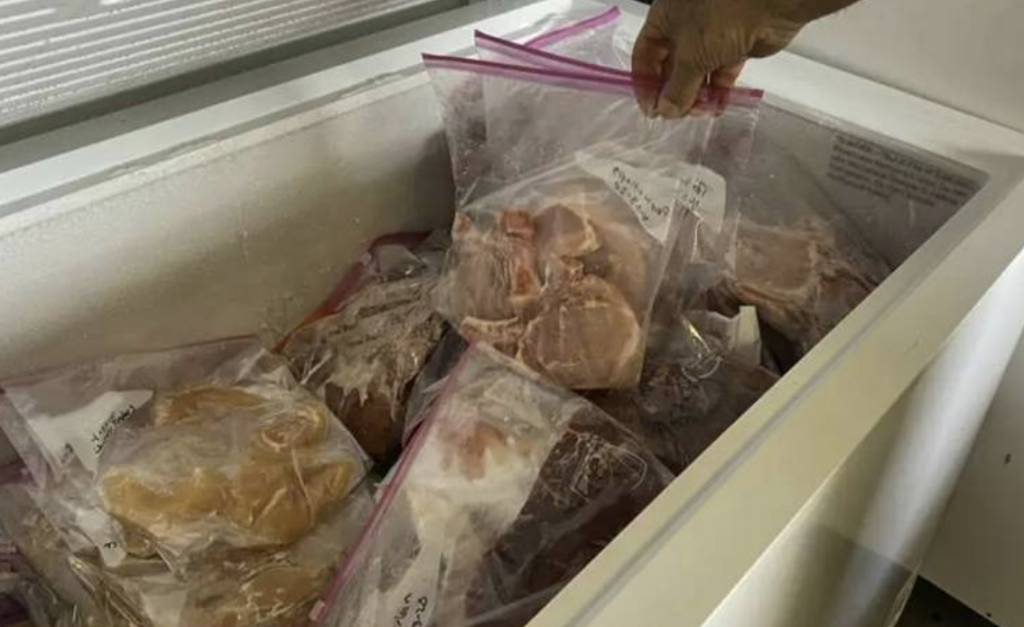
The core idea is simple. The faster food passes through the temperature range where ice crystals form, the better its structure tends to hold up. Slow freezing gives water inside the product more time to form larger crystals, and those crystals can rupture cell walls. That’s why thawed strawberries can turn mushy or why a piece of fish can lose its clean, firm bite after poor temperature management.
According to the USDA, fast freezing helps prevent large ice crystals, and food stored continuously at 0°F can remain safe indefinitely, with storage recommendations focused on quality rather than safety.
[Source: Food Safety and Inspection Service]
Freezing doesn’t magically improve a weak product, and it doesn’t reverse sloppy handling upstream. What it does do is preserve a product closer to its best state when it’s done at the right moment and under the right conditions.
For food manufacturers, that can mean vegetables that keep their shape better and meats that release less purge after thawing.
The role of freezing in food safety
The FDA notes that bacteria can multiply rapidly in the “Danger Zone” between 40°F and 140°F. Rapid temperature pull-down doesn’t solve every food safety issue, but it does support stronger handling practices by moving perishable products out of that zone faster than slower conventional methods.
A longer usable window also gives producers and distributors more flexibility with scheduling, transportation, and inventory planning. That matters in a modern supply chain, where delays can come from labor shortages, weather, port congestion, or demand swings that are hard to predict. When a product holds its quality longer, businesses get more room to make smart decisions instead of rushed ones.
About 14% of the world’s food is lost after harvest and before it reaches retail. Not all of that loss comes down to freezing, of course, but temperature control is a major part of the equation for perishable goods.
The sooner producers can stabilize high-risk products, the better their odds of protecting value that would otherwise leak out through spoilage, rejected shipments, or shortened sell-by windows.
Reducing waste across the cold chain
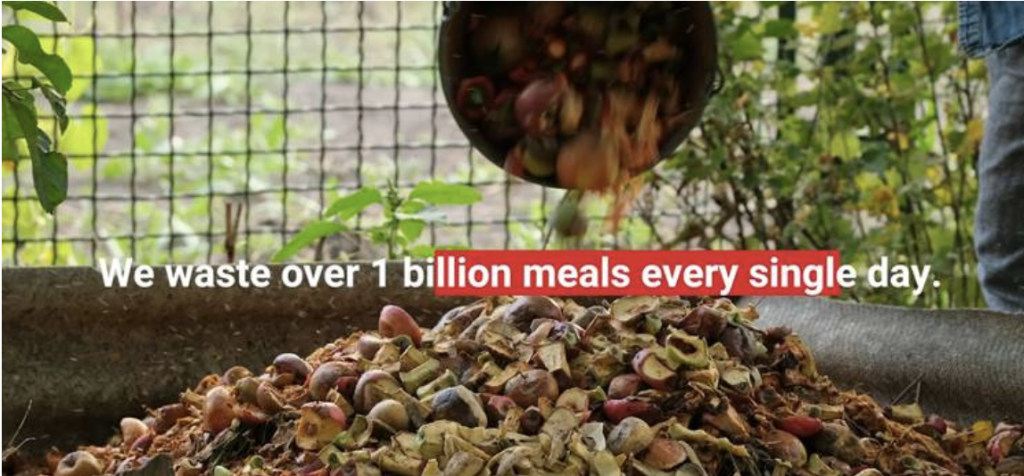
The global waste picture makes that urgency even harder to ignore. UNEP reported that the world generated 1.05 billion tonnes of food waste in 2022, equal to almost one-fifth of the food available to consumers.
Businesses can’t solve that entire problem with one preservation method, but better freezing practices can cut losses in categories where spoilage happens fast and margins are thin. If a processor can protect texture, extend usability, and reduce throwaways at the same time, that’s operational discipline, not just cold storage strategy.
[Source: UN Environment Programme]
The products that benefit most are usually the ones customers judge instantly, like berries that need to hold shape after thawing, seafood that can’t feel waterlogged, doughs that need predictable performance, or ready-made meals that still have visual appeal after reheating.
In each case, preservation is about protecting the eating experience. Consumers may not know how a product was frozen, but they notice when vegetables turn limp, sauces split, or bread loses its structure. Quality failures show up on the plate first and in reorder numbers right after.
That’s why timing and process design matter as much as the equipment itself. Freezing early in the product lifecycle usually delivers better outcomes than waiting until quality has already started to fade. Packaging matters, too. So does product thickness, moisture content, airflow, load spacing, and how quickly items move from production into low-temperature storage.
Better preservation creates more flexibility
There’s also a planning advantage that doesn’t get enough attention. Better preservation opens the door to broader distribution without forcing a business to sacrifice quality in distant markets. A regional producer can serve a wider footprint, a foodservice brand can batch production more efficiently, and a retailer can reduce emergency markdowns tied to short shelf life.
This is where innovation shows up in a practical form. It’s all about using a cold-chain strategy to protect product value, reduce waste, and make growth easier to manage.
In the end, rapid freezing works because it respects what food is. It recognizes that strawberries, shrimp, soups, and sauces all change under stress, and that time is often the biggest stressor of all. When food businesses control temperature quickly and intelligently, they protect texture, appearance, flavor, and trust. And in a market where quality problems travel fast, that kind of control is worth a lot.