Artificial intelligence is rapidly reshaping healthcare, particularly in areas where early detection significantly influences outcomes. In occupational health, where exposure-related conditions can take decades to surface, AI-driven analytics are helping clinicians and researchers identify risks earlier and with greater precision.
One area where this shift is particularly meaningful involves long-latency diseases linked to workplace exposure.
Recognising Occupational Health Risks Earlier
Many occupational health risks develop gradually, particularly in industries involving hazardous materials, industrial processes, or prolonged exposure to harmful substances. In the past, limited awareness often led to early warning signs being misunderstood or attributed to more common respiratory conditions, delaying diagnosis and treatment.
Improved education and reporting have led to greater recognition of conditions such as Mesothelioma, a rare and aggressive cancer closely associated with occupational asbestos exposure. Earlier awareness helps workers and healthcare providers connect symptoms to workplace history sooner, supporting timely diagnosis and allowing individuals and families to better understand medical, financial, and long-term care considerations following an unexpected diagnosis.
Artificial intelligence is strengthening this awareness by analyzing patterns in occupational data, medical imaging, and historical case records — helping clinicians connect subtle clinical indicators with documented exposure histories.
AI-Powered Imaging and Pattern Detection
Traditional diagnostic pathways rely heavily on specialist interpretation of imaging studies. AI systems trained on thousands of confirmed cases can now identify subtle pleural changes, tissue irregularities, and imaging anomalies that may be difficult to detect visually in the early stages.
Machine learning models can:
- Compare new scans against large annotated datasets
- Highlight areas that warrant closer clinical evaluation
- Reduce variability between radiological interpretations
- Assist in prioritizing high-risk cases for further testing
Rather than replacing radiologists, AI provides an additional analytical layer that supports earlier and more confident clinical decisions.
As Dr. Nick Oberheiden, Founder at Oberheiden P.C., explains, “When innovation is applied thoughtfully, it empowers professionals to see what might otherwise be missed. Technology’s real value lies in its ability to support human expertise, not replace it.”
This perspective reflects how AI enhances medical oversight without removing human judgment from the process.
Connecting Occupational History with Clinical Data
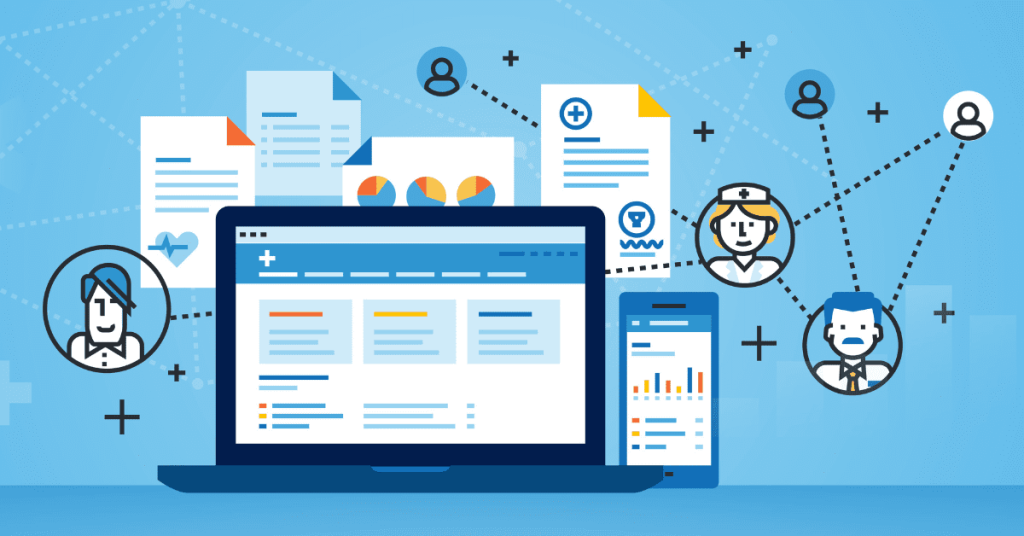
One of the more promising advancements lies in Natural Language Processing (NLP). Medical records often contain unstructured notes referencing prior employment in shipyards, construction, manufacturing, or industrial settings. AI systems can scan these records and identify potential asbestos-exposure references that might otherwise be overlooked.
By linking occupational history with clinical indicators, AI tools help healthcare providers:
- Identify potential risk factors earlier
- Recommend targeted screening
- Improve documentation accuracy
- Strengthen diagnostic confidence
This integration supports a more proactive, rather than reactive, approach to occupational health management.
Predictive Analytics and Research Acceleration
AI is also playing a critical role in advancing research by analyzing aggregated datasets from treatment centers and clinical trials. Predictive models help researchers identify emerging diagnostic markers and refine screening protocols.
These advancements contribute to:
- Improved early-stage identification
- More accurate disease classification
- Enhanced patient-trial matching
- Faster validation of diagnostic approaches
As datasets expand, algorithm accuracy improves — creating continuous progress in early detection capabilities.
Toward a More Informed Future
Occupational exposure-related conditions often develop long after the initial exposure. Technology is helping bridge that gap by connecting historical workplace environments with modern clinical tools. Through advanced imaging analysis, predictive modeling, and intelligent data integration, artificial intelligence is improving how healthcare providers recognize risk earlier and respond more effectively.
The future of occupational health is increasingly data-informed — enabling earlier awareness, stronger documentation, and more timely clinical action.