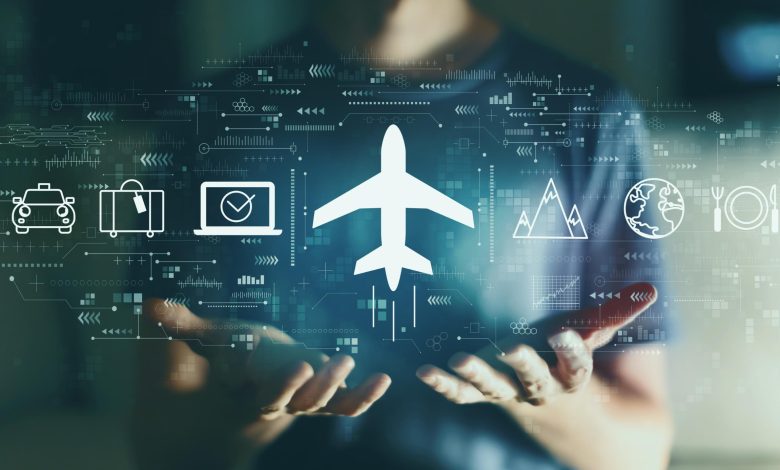
Think back to your last trip before smartphones became ubiquitous. You probably had a folder bulging with printed confirmations, a dog-eared guidebook, and a physical map you’d struggle to refold. The planning process involved phone calls, travel agents, and a fair amount of guesswork. Today, your entire journey—from fleeting inspiration to the photos you share upon return—is managed by a device that fits in your pocket.
The friction of the past has been smoothed over by a constant stream of data, apps, and connectivity. Understanding this monumental shift reveals how deeply technology is now woven into the fabric of our adventures.
The Revolution in Trip Planning
The journey no longer begins with a visit to a travel agency but with a few taps on a screen. Modern trip planning has evolved far beyond simple flight and hotel booking websites. Now, you’re greeted with intelligent platforms that act as personalized travel consultants. These tools use algorithms to learn your preferences, suggesting destinations you might love based on your past travels, search history, and even the time of year. Price-tracking alerts can notify you the instant a flight to your dream destination drops into your budget, removing the need to check obsessively.
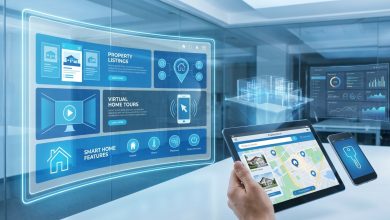
Virtual and augmented reality offer immersive previews, allowing you to “walk” through a hotel room in Paris or “stand” at the edge of the Grand Canyon before you even commit. This isn’t just about convenience; it’s about building confidence and excitement. You can explore a neighborhood’s vibe through street-view imagery and curated video tours, making more informed decisions about where you want to stay and what you want to do.
Technology has completely reshaped how travelers plan and experience trips, from digital booking tools to real-time itinerary management. Today’s travelers expect seamless travel planning that blends smart technology with human expertise. The goal isn’t automation for its own sake, but using digital tools to personalize trips across multiple destinations. When technology supports customized travel experiences, it removes friction while enhancing confidence. This balance is now essential for modern travel planning.
This blend of data-driven recommendations and human-like curation is the new standard.
Navigating the World in Real-Time

Once you’re on the move, technology becomes your co-pilot, translator, and guide. The anxiety of navigating a foreign city’s transit system is largely a thing of the past. Real-time mapping applications not only show you the fastest route but also update you on delays, platform changes, and even how crowded a specific train car might be. You can download maps for offline use, ensuring you’re never truly lost, even without a cell signal.
Language barriers have become far more porous. With translation apps, you can hold your phone’s camera up to a menu and see it instantly translated into your native language. Voice translation features allow for stilted but functional conversations with locals, opening doors to more authentic interactions that might have previously been impossible. These tools don’t just solve problems; they empower you to be more independent and adventurous.
Your smartphone serves as a digital wallet and a repository for all your important documents. Boarding passes, train tickets, event admissions, and hotel keys are now stored securely in one place. Contactless payments are nearly universal, reducing the need to carry large amounts of foreign currency. This consolidation simplifies the logistics of travel, freeing up your mental energy to focus on the experience itself rather than the administrative tasks that surround it, says Bill Sanders, from TruePeopleSearch.
Enhancing the On-the-Ground Experience
Technology’s role doesn’t end when you check into your hotel. In fact, it’s often just the beginning. Smart rooms allow you to control lighting, temperature, and entertainment with your voice or a dedicated app. This level of personalization makes your temporary accommodation feel more like a home away from home. The check-in process itself is often now a contactless affair, letting you bypass the front desk and head straight to your room using a digital key on your phone.
Out in the world, your device becomes a powerful tool for discovery. Augmented reality features in certain apps can overlay historical information onto buildings as you view them through your camera, turning a simple walk into an interactive museum tour. You can find the best local coffee shop, a hidden park, or an acclaimed restaurant based on millions of crowd-sourced reviews and photos from fellow travelers.
This access to shared knowledge helps you make better choices in the moment. Instead of relying solely on a professional critic’s opinion in a guidebook, you can see what people who visited yesterday thought. This has democratized travel knowledge, giving you the ability to curate your own experiences based on a wide range of perspectives. You can find niche tours, book last-minute activities, and connect with local guides, all through a single application.
The Journey Home and Beyond
The influence of technology extends to the final leg of your journey and even after you’ve returned. For business travelers, apps that scan receipts and automatically generate expense reports have transformed a tedious chore into a simple, streamlined process. Automated check-out and digital receipts eliminate the final scramble at the hotel lobby, says Siebren Kamphorst, COO of Rently.
Once you’re home, AI-powered photo apps can organize thousands of your pictures, clustering them by location and subject, and even creating highlight reels of your trip. Sharing these memories is easier than ever. But perhaps most significantly, the data from your trip feeds back into the ecosystem. The restaurants you enjoyed, the attractions you visited, and the routes you took all help refine the recommendations you’ll receive for your next adventure, creating a continuous cycle of personalized travel.
Wrap Up
Technology has fundamentally rewired the traveler’s experience, removing layers of friction and uncertainty that once defined a trip. It has made the world more accessible, information more immediate, and personalization the new expectation. While some may long for the days of serendipitous discovery found in a folded map, the modern toolkit empowers a different kind of freedom—the freedom to be more present, more confident, and more deeply engaged with the world around you, knowing the logistics are quietly being handled in the background.