Online fashion shopping has grown rapidly over the past decade, yet it still comes with familiar frustrations. Shoppers scroll through polished product images, read reviews, and check size charts, but hesitation often remains. Will the fabric look the same in real life? Will the fit flatter my body type? These unanswered questions are the main reason many shoppers abandon carts or make purchases they later regret. Today, artificial intelligence is quietly reshaping this experience by giving buyers something they have always wanted: confidence before clicking “buy.”
Why online fashion still feels risky for shoppers
Buying clothes online is convenient, but it lacks the physical reassurance of an in-store fitting room. Several pain points consistently affect shoppers across all regions and age groups.
- Size uncertainty remains the biggest challenge. Brand sizing varies widely, and charts cannot account for individual body shapes.
- Color mismatch is common. Lighting, editing, and screen differences often make products look different from reality.
- High return rates cost both customers and retailers time, money, and patience.
- Styling doubts arise when shoppers cannot visualize how an item will look on them, not on a professional model.
These issues create friction in what should be an enjoyable experience. Many shoppers end up ordering multiple sizes or avoiding certain styles altogether, which increases waste and operational costs.
Seeing outfits before buying changes everything
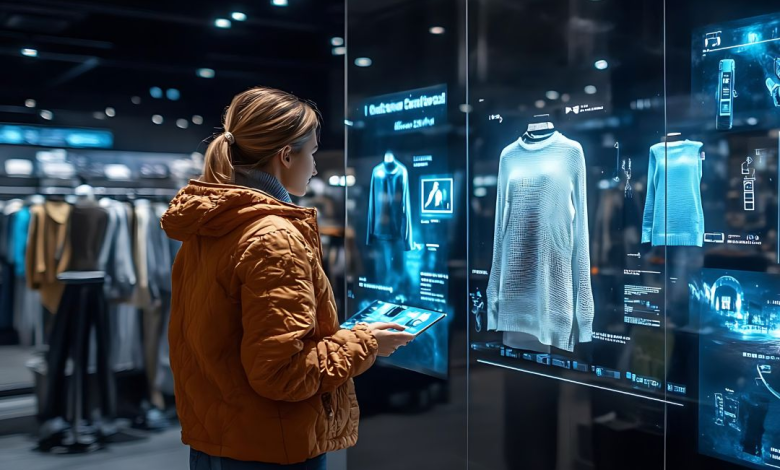
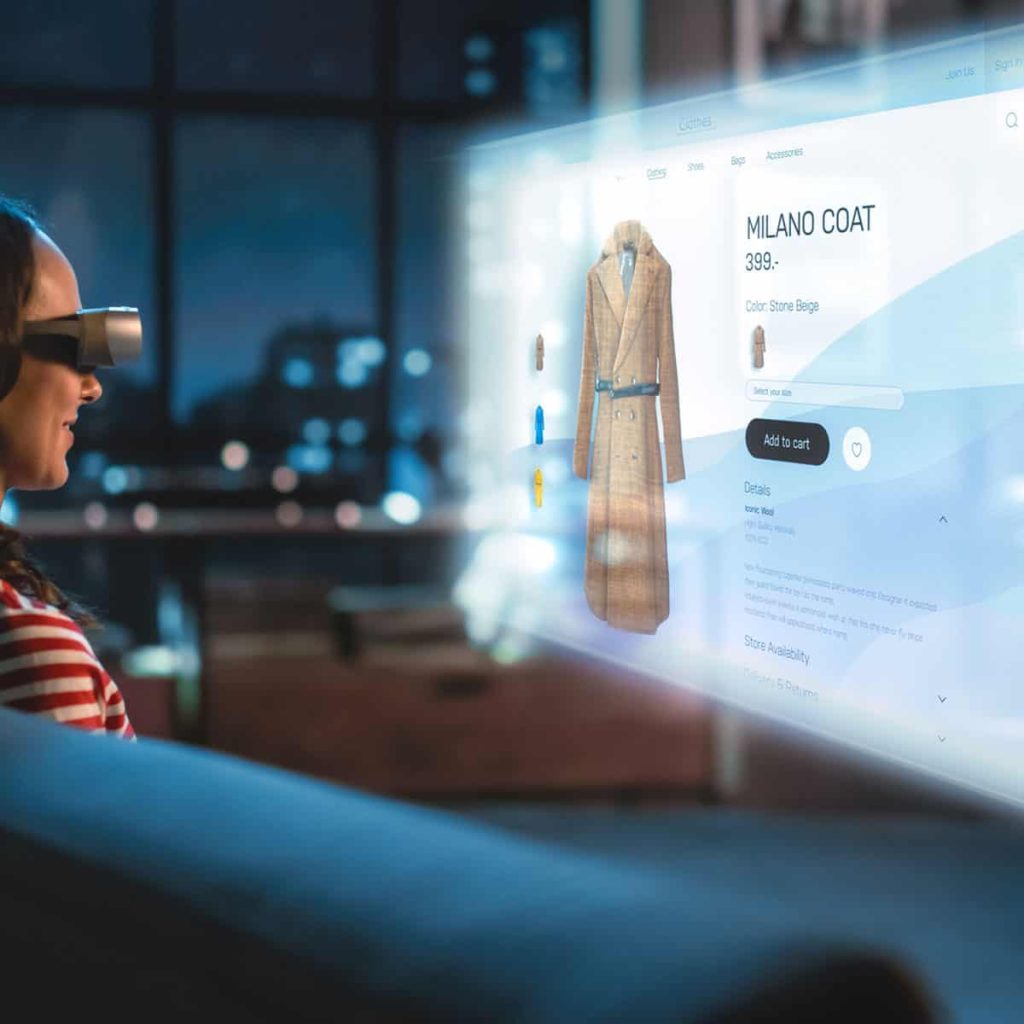
The ability to preview clothing on a realistic representation of yourself changes the psychology of shopping. Instead of imagining how a dress or jacket might look, shoppers can see it instantly. This is where virtual clothes try-on technology steps in, offering a more interactive and reassuring way to explore fashion online.
By using advanced image processing and machine learning, virtual try-on systems allow users to upload a photo or use a live camera view to visualize outfits. The result feels closer to a fitting room than a product gallery. Shoppers gain clarity on proportions, overall style, and visual harmony before making a purchase decision.
This “see before buying” approach reduces hesitation and turns browsing into a more engaging experience.
How AI outfit preview works on real photos
Modern outfit preview tools rely on sophisticated models that understand both the human body and clothing structure. An AI clothes changer analyzes posture, body contours, and lighting conditions, then adapts the selected garment to fit naturally onto the image.
Unlike simple overlays, these systems adjust fabric flow, shadows, and alignment. Sleeves follow arm positions, dresses drape realistically, and tops sit properly on shoulders. This realism is what builds trust.
Some platforms even allow users to:
- Upload personal photos for a customized preview
- Swap multiple outfits quickly to compare styles
- Test different colors or seasonal variations
- Experiment with combinations without physically changing clothes
This experience feels personal and intuitive, bridging the gap between digital browsing and real-world fitting.
Why brands gain just as much as buyers
Visual try-on experiences are not only beneficial for shoppers. Fashion brands and online retailers also see measurable advantages when adopting this technology.
First, return rates drop significantly. When customers know what to expect, they make fewer impulse purchases and fewer returns. Second, engagement increases. Shoppers spend more time interacting with products, exploring variations, and building outfits.
Brands also gain valuable insights into customer preferences. Popular styles, frequently tested colors, and commonly previewed categories help inform inventory and marketing strategies.
From a business standpoint, virtual outfit preview tools create a smoother path from discovery to purchase while improving customer satisfaction and loyalty.
Everyday shopping scenarios where virtual try-on shines
The true value of AI-powered outfit preview becomes clear when applied to real shopping situations.
Dresses and formal wear
Choosing a dress for an event can be stressful. Fit, length, and overall silhouette matter. Virtual try-on allows shoppers to see how different cuts complement their body shape before committing.
Daily wear and work outfits
Casual tops, jeans, and office wear are often purchased online in bulk. Using clothes swap AI features, shoppers can quickly test multiple looks and build complete outfits without guesswork.
Seasonal collections and trends
Seasonal shopping often involves experimenting with new styles or colors. Virtual try-on makes it easier to step outside comfort zones, as shoppers can preview bold choices without risk.
Online-only collections
For brands that operate entirely online, visual try-on bridges the trust gap and replaces the physical fitting room experience.
AdpexAI as a practical solution for virtual outfit preview
source: contabil oradea
Among the growing number of tools in this space, AdpexAI stands out for its simplicity and accessibility. Designed for everyday users as well as fashion-focused platforms, it offers an intuitive way to preview outfits without technical complexity.
AdpexAI allows users to upload photos and instantly visualize clothing changes with natural-looking results. The platform focuses on ease of use while maintaining visual accuracy, making it suitable for casual shoppers, content creators, and fashion businesses alike.
For those looking for an AI clothes changer online free option, AdpexAI provides a straightforward entry point into virtual outfit experimentation. Its flexible system supports different clothing types and styles, helping users explore fashion choices confidently.
By offering a smooth, browser-based experience, AdpexAI removes the barriers that often prevent people from trying new technology.
The broader shift toward confident digital fashion
As online shopping continues to dominate global retail, confidence becomes the key differentiator. Shoppers are no longer satisfied with static images and vague descriptions. They expect interaction, personalization, and clarity.
Virtual clothes try-on tools answer this demand by turning fashion shopping into a visual conversation rather than a guessing game. When shoppers feel certain about what they are buying, they shop more freely and return less often.
For brands, adopting these tools is no longer just about innovation. It is about meeting modern expectations and building long-term trust.
A smarter way forward for online fashion
The future of online shopping is not about replacing physical stores, but about enhancing digital experiences to feel just as reliable. Virtual outfit preview technology is a major step in that direction.
As tools like AdpexAI continue to evolve, shoppers will spend less time worrying about fit and more time enjoying style. Retailers will benefit from lower returns, stronger engagement, and happier customers.
In the coming years, confident online shopping will not be a luxury feature. It will be the standard, and virtual outfit try-on will be at the center of that transformation.