Many people struggle to stay healthy and keep track of their fitness each day. Today, AI-powered mobile apps help millions by creating custom workout plans and tracking health in real time.
This blog will show you how smart technology can make your health and daily routines easier and better. Read on to learn simple ways these apps can improve your life.
The Role of AI in Health and Fitness Apps
AI in health services helps people hit their goals with smart, easy tools. It makes fitness tracking and nutrition advice much more useful for each user.
Personalized workout plans
AI-powered mobile apps transform how we approach fitness. They use data to create workouts that fit our needs and goals perfectly.
- AI uses your fitness level and goals to make a workout plan just for you. If you’re new or have been exercising for years, the app adjusts.
- The app tracks your progress over time. It sees how much stronger or faster you become and changes your workouts to keep challenging you.
- You get exercises that match the equipment you have. If you only have dumbbells at home, your plan will focus on those.
- The app considers your preferences. If you love running but hate yoga, it gives you more of what you like.
- It also keeps track of how busy you are. On busier days, it might suggest shorter workouts so you can still exercise.
- Feedback from the app helps you improve. It tells you if your form is off during an exercise and how to fix it.
- Some apps use games to make fitness fun. You might run from zombies or collect points as you work out.
- Wearable devices can link to the app for more data. Your heart rate while resting or working out helps tailor your plan even more.
- Rest days are important, too. The app makes sure you get enough rest between workouts to recover properly.
- Lastly, it learns from feedback. If a workout is too hard or easy, tell the app, and it will adjust your future workouts.
These features show how personalized workout plans from AI-powered apps can make reaching health and fitness goals more effective and fun.
Stretching and mobility support
An app for stretching helps users improve flexibility, support muscle recovery, and maintain joint mobility as part of a regular fitness routine. These apps often provide guided stretching sessions based on activity level, physical condition, and daily movement patterns. By organizing stretches into structured routines and offering reminders for consistency, the best stretching app supports balanced movement and helps reduce stiffness caused by prolonged sitting or intense workouts.
Real-time coaching and feedback
AI helps users improve workouts with real-time coaching and feedback. This makes fitness more effective and enjoyable.
- Instant feedback guides users during workouts. Coaches track performance and suggest changes on the spot.
- Voice prompts offer encouragement as users push through tough moments. This keeps motivation high and helps build confidence.
- Live video analysis allows trainers to see how clients move. They can correct form and give tips for better results.
- Smart technology adapts plans based on workout data. Users get customized workouts that grow with their skills.
- Many apps feature community support for added motivation. Sharing progress creates a sense of belonging among users.
- Gamification elements make exercises fun and engaging. Badges, points, or challenges help maintain interest over time.
- Regular check-ins keep users accountable for their goals. Progress tracking shows improvements, driving commitment to fitness.
- Integration with wearable devices ensures continuous monitoring during exercise sessions. Data collected helps refine coaching strategies further.
This combination of real-time features transforms the fitness experience for many people, making it personal and productive.
AI-Driven Nutrition and Dietary Management
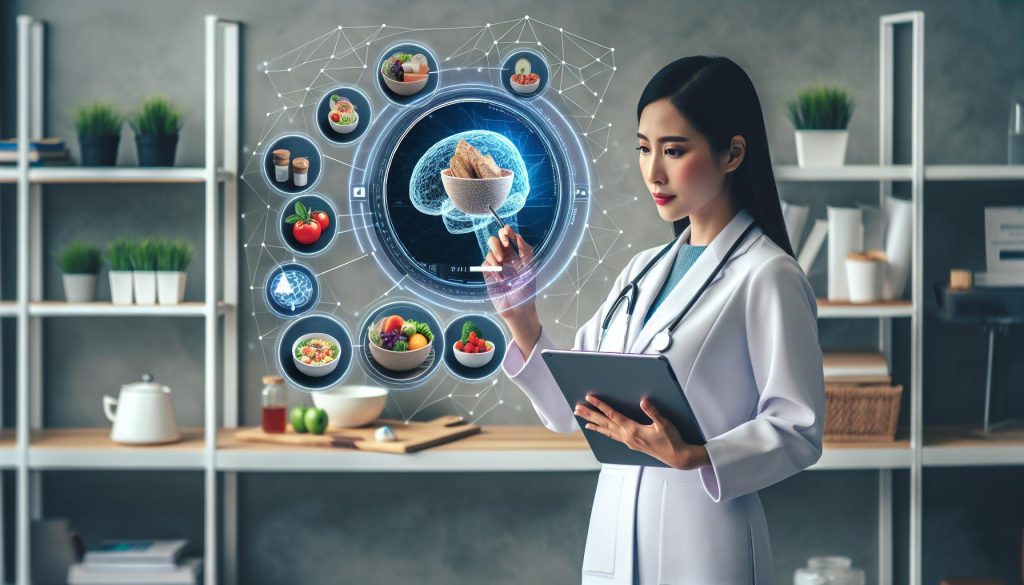
AI-driven nutrition apps help you plan meals easily. They can suggest healthy recipes based on your preferences and track what you eat through photos.
Automated meal planning
Automated meal planning helps users eat healthier with less effort. These apps use AI to create meal plans based on personal preferences and dietary needs.
- Users input their food preferences and restrictions. The app collects this information to suggest meals that fit their tastes.
- Meal plans adjust automatically. If a user dislikes or cannot eat a certain food, the app offers alternatives.
- Shopping lists are created for easy grocery trips. Users can quickly see what they need to buy for the week’s meals.
- Many apps provide recipes along with the meal plan. This makes cooking simpler and more enjoyable.
- Some features include portion control suggestions. These help users maintain healthy serving sizes without counting calories all the time.
- Integration with fitness trackers is common. This syncs workout data, aligning nutrition with fitness goals for better health monitoring.
- Meal planning saves time in busy lives. Automated suggestions mean less stress about what to cook each day.
- Nutritional advice is often part of the service. Users receive tips on foods that can improve energy and overall health.
AI-powered mobile apps enhance meal planning, making healthy eating more accessible and efficient for everyone.
Photo-based food logging
Photo-based food logging makes tracking meals easy and fun. Users take pictures of their food with their phones. The app recognizes the items in the photos. This helps users log what they eat without typing long lists.
These apps often provide nutrition advice based on logged meals. They analyze data from the images to offer tips for better eating habits. With this tool, managing diet becomes simple and engaging for everyone looking to improve their health.
Proactive Health Monitoring Through AI
Proactive health monitoring through AI helps people stay on top of their well-being. Wearable devices give real-time data that can spot health issues before they become serious.
Wearable integration for real-time insights
Wearable devices give users real-time insights into their health. These gadgets track heart rate, activity levels, and even sleep patterns. With this data, apps can create customized workouts based on individual needs. Users receive instant feedback during exercises. This helps them stay motivated and make adjustments quickly.
A smart wristband can show how many calories a person burns each day. It connects to fitness apps for seamless updates on progress. Users no longer have to wonder if they are meeting their goals; the data is right there at their fingertips.
Health monitoring becomes easy with wearables in everyday life.
Predictive analytics for potential health risks
Wearable technology provides real-time insights into your health. This data helps track changes in vital signs. Predictive analytics uses this information to spot potential health risks early.
For instance, apps can analyze your heart rate patterns or activity levels.
They identify trends that might lead to issues like heart disease or diabetes. Users receive alerts about possible problems before they become serious. This proactive approach improves health monitoring and encourages a healthier lifestyle.
Personalized feedback also enhances user engagement, making it easier to stay on track with fitness goals and nutrition advice.
Enhancing Daily Life With AI
AI makes daily tasks easier and more fun. Games in apps keep you motivated and help blend fitness into your routine.
Gamification for increased engagement
Gamification makes fitness more fun. Apps use games to keep users motivated. Users earn rewards for reaching goals. These goals can be simple, like walking a certain number of steps each day. Friendly competitions with friends create excitement and drive participation.
Tracking progress feels rewarding. Users can see their achievements over time. Many people enjoy sharing badges or scores online, increasing motivation further. Gamification helps turn workouts into enjoyable experiences, making it easier to stick with health and fitness plans.
Smart integration with daily routines
Gamification boosts engagement. Smart integration makes life easier. AI-powered apps now fit into daily tasks smoothly. They help users stay on track with their health and fitness goals.
These apps remind you to exercise, drink water, or eat healthy meals at the right times. Notifications pop up on your phone to keep you focused. This helps create a healthier lifestyle without extra effort.
Wearable technology also plays a big role here; it tracks your movements and gives real-time feedback based on your routine. Users find this combination of technology enjoyable and motivating for everyday life.
Conclusion
AI-powered mobile apps are changing how we approach health and fitness. They give us personalized workouts that fit our needs. These apps offer real-time coaching to help us stay on track.
We can also get nutrition advice and manage our meals easily. With smart technology, these tools make daily life more engaging and efficient. Enjoying a healthier lifestyle has never been so simple!