


Most people who want to learn the Quran have wanted to for longer than they’d like to admit.
The intention has been there. Sometimes for years. As life goes on, it keeps preventing Muslims to be the most honest version of themselves when urgent matters come by. Whether they may be matters like how they earn their bread and how they have to work on their responsibilities. The general pace of everything. So the Quran sits where it sits, opened occasionally, never quite studied the way it deserves to be.
Ramadan has a way of cutting through that pattern. Not because people suddenly have more hours in the day. They don’t. But because something about the month changes what feels important and what doesn’t. The same thirty days that pass in an ordinary month feel different when they are structured around fasting, prayer and a conscious turning toward Allah. That shift in feeling is not imagined. It is the nature of the month working exactly as it was intended to.
The Month Was Always About the Quran
This isn’t an interpretation. It’s history.
The first words of revelation came during Ramadan. The Prophet Muhammad (PBUH) spent every Ramadan reviewing the entire Quran with Jibreel. The recitation during Tarawih, the emphasis on tilawah throughout the night and day, the particular closeness that believers feel to the book during this month .
None of this is coincidental. The entire structure of Ramadan points toward the Quran consistently and deliberately.
For someone who has been putting off beginning their learning journey, this context matters. Starting during Ramadan isn’t just choosing a convenient time. It’s aligning the beginning with a month that was specifically designed to be the month of the Quran. There is a particular rightness to that which starting in March or September simply doesn’t carry.
Motivation Stops Being the Problem
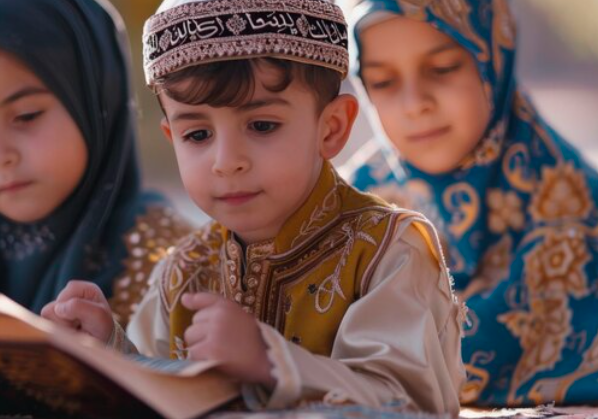
Outside of Ramadan, building consistent motivation to study the Quran is genuinely difficult. Not because the desire isn’t there but because motivation competes with everything else that fills a normal day. Work pressure, family demands, tiredness by evening, the general weight of an ordinary week . These things don’t disappear, they just consistently win against intentions that haven’t yet become habits.
Ramadan changes the competition. The community is fasting together. The masjid is full in a way they aren’t through the rest of the year. Tarawih brings people into extended nightly contact with Quran recitation whether they sought it out or not. The spiritual atmosphere of the month creates a pull toward learning that feels almost effortless compared to what it takes to sustain the same motivation in November.
Beginning a Quran Recitation Course during this window means starting with the month behind the effort. The environment is already doing work that the student would otherwise have to do alone.
Fasting Does Something Specific to the Mind
People who fast regularly during Ramadan describe something that is difficult to explain to someone who hasn’t experienced it. A particular quality of mental stillness that settles in during the middle of the day. The heaviness that follows large meals is gone. The social rhythms built around food fall away. The mind is quieter than it usually is in a way that feels genuinely different from ordinary life.
Quran learning needs exactly this. Tajweed requires close attention to sounds that Arabic learners are not accustomed to hearing. Memorisation requires the kind of focused repetition that a distracted mind resists. A Quran Memorization Course undertaken during fasting hours takes advantage of a mental state that Ramadan itself produces. That state is not reliably available through the rest of the year in the same form.
Access Has Never Been Easier
For previous generations, learning the Quran properly meant finding a qualified teacher nearby. That constraint was real and it kept many people from beginning. That constraint has essentially gone.
Online Quran Recitation Course programs taught by qualified, experienced teachers are available now across flexible schedules that fit around fasting hours, work, family life and different time zones. A student anywhere in the world can begin learning with a proper teacher during Ramadan without leaving home. The gap between wanting to learn and being able to access genuine instruction has closed in a way that simply didn’t exist before.
Habits Built in Ramadan Tend to Survive It

The daily structure of Ramadan is already organised around acts of worship in a way that ordinary life is not. Suhoor, Fajr, recitation in the early morning, Iftar, Tarawih. These anchor points exist across the whole day without the student having to create them.
Attaching Quran learning to these existing anchor points is considerably easier than building a habit from nothing during a regular week. The structure of Ramadan acts as a scaffold. By the time the month ends, a student who began seriously in the first week has thirty days of daily practice behind them. Thirty days of real consistency is enough to make a pattern feel normal rather than effortful.
Starting a Quran Recitation Course during Ramadan is not starting something for Ramadan. It is building something that continues after it.
The Reward Situation Is Different During This Month

Islamic scholarship is clear on this point. The reward for righteous deeds during Ramadan is multiplied in a way that doesn’t apply to the rest of the year.
Every letter of the Quran recited carries reward under normal circumstances. During Ramadan that reward increases. For a student in the early stages of learning, this matters more than it might seem. The beginning of any Quran learning journey is the hardest part. Pronunciation is unfamiliar. Progress feels slow. Patience gets tested before results become visible. Knowing that this difficult early effort is happening during the month of greatest spiritual return changes the experience of those early lessons considerably.
Enrolling in a Quran Memorization Course during Ramadan means every awkward first attempt, every rule slowly learned, every verse tentatively memorised for the first time, falls within the month where that effort carries the most weight it possibly can.
Conclusion
Ramadan goes quickly. Everyone says this and everyone means it because it keeps being true. Thirty days that feel like they should be enough always seem to arrive at their end before everything intended in the first week has been acted on.
Overall, there is a profound bliss when you realise how learning the Quran at such a time of the year is just the right moment.