Celebration and relaxation might seem like opposite ends of the emotional spectrum. One is about energy, noise, and shared moments; the other is about calm, recovery, and personal space. Yet for modern consumer brands, both fall under the same strategic priority: experience design. Increasingly, those experiences are being shaped, optimized, and personalized with the help of artificial intelligence.
For readers of The AI Journal, this shift offers a compelling lens on how AI moves beyond enterprise efficiency into the texture of daily life. From how people plan milestone events to how they unwind afterward, intelligent systems now influence discovery, purchasing, personalization, and even product development. Consumer brands that understand this are not just selling items, they are curating moments.
The Experience Economy Meets AI
Over the past decade, the “experience economy” has transformed consumer behavior. People often value memorable moments as much as, or more than, physical goods. Weddings, birthdays, festivals, and micro-celebrations have become more curated, more photographed, and more shareable.
AI enters this landscape as an invisible coordinator. Recommendation engines suggest products for events based on seasonality, location, and prior purchases. Predictive analytics help retailers anticipate demand spikes around holidays. Dynamic pricing models adjust to purchasing patterns. Even marketing visuals are increasingly optimized by AI systems that learn which imagery resonates with specific audiences.
In short, AI helps brands understand not just what consumers buy, but why and when they buy it. That context is crucial when the purchase is tied to an emotional event.
Smart Discovery for Celebratory Moments
Consider how people now plan celebrations. Inspiration often starts online: social media, search engines, or curated marketplaces. AI-driven discovery tools analyze user behavior to surface relevant ideas, color themes for weddings, décor trends for parties, or seasonal celebration kits.
This extends to event-focused products. Fireworks and sparklers, for instance, remain iconic elements of many celebrations, from weddings and national holidays to backyard gatherings. What has changed is how consumers find and select them. Digital storefronts powered by recommendation algorithms can highlight safety information, suitable product types for specific occasions, and complementary items for a cohesive event.
When shoppers browse for sparkle fireworks online, they are often encountering AI-assisted merchandising behind the scenes. Algorithms may suggest longer-lasting sparklers for wedding send-offs, or smaller, family-friendly options for community events. Inventory systems forecast peak periods like the Fourth of July or New Year’s Eve, helping retailers maintain availability without excessive overstock.
From a business perspective, this is precision retail. From a consumer perspective, it feels like convenience and relevance. The technology fades into the background while the celebration takes center stage.
Data-Driven Product Development
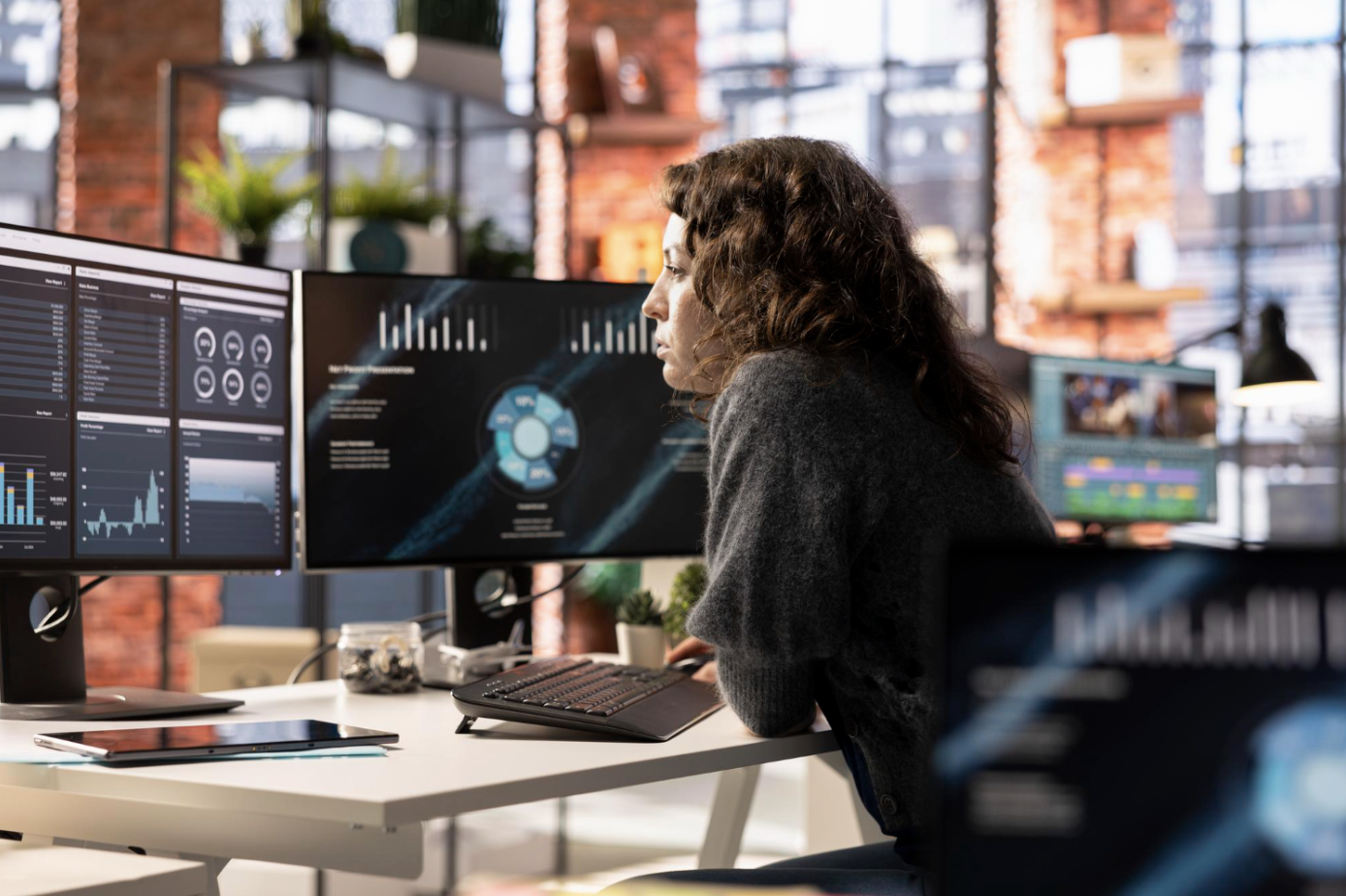
Image by DC Studio on Freepik
AI doesn’t just influence how products are sold; it also informs how they are created. Consumer brands increasingly analyze reviews, social sentiment, and usage data to refine their offerings.
Natural language processing can scan thousands of customer comments to identify recurring themes, perhaps buyers want quieter fireworks for residential areas, or packaging that is easier to transport. These insights feed back into design and logistics decisions.
For celebratory goods, where safety and compliance are critical, AI can also assist in monitoring regulations across regions and ensuring labeling accuracy. This reduces risk for both brands and consumers.
The result is a feedback loop: consumers express preferences through their behavior and reviews, AI distills the patterns, and brands respond with better-targeted products.
From High Energy to Wind-Down: The Other Side of Experience
After the excitement of a big event comes a different consumer need: relaxation. Modern life is intense, digitally saturated, and often stressful. It’s no surprise that wellness has become a major consumer category.
AI again plays a role here, though in subtler ways. Wellness apps use machine learning to suggest routines, track mood or sleep patterns, and personalize recommendations. E-commerce platforms analyze browsing and purchase data to present products aligned with a user’s lifestyle and interests.
A growing segment within this space involves hemp-derived wellness products. As regulations evolve and consumer awareness increases, these products are entering mainstream conversations about relaxation and balance.
Brands like Cannovia represent how wellness companies position themselves within this modern landscape. For many consumers, hemp-derived options are part of a broader toolkit for unwinding after demanding schedules or high-energy social events. AI-driven personalization in e-commerce can help match users with product types, formats, or usage guidance that fits their preferences and comfort levels.
Importantly, reputable brands in this space emphasize transparency, testing, and clear communication, areas where data systems and traceability technologies can add credibility.
Personalization as the New Standard
What links celebration and relaxation in the AI era is personalization. Consumers increasingly expect brands to “understand” them. They want suggestions that feel tailored, not generic.
AI enables this by synthesizing signals: past purchases, browsing history, geographic location, time of year, and even device type. A user planning a wedding might see curated celebration products months in advance. The same user, after the event, might encounter wellness-oriented content or products aimed at recovery and self-care.
To the consumer, this can feel like good timing. To the brand, it is the result of sophisticated modeling.
However, this personalization must be balanced with privacy and ethical data use. Transparency about data collection and giving users control over their information is increasingly central to maintaining trust.
The Human Element Still Matters
Despite all this technology, human emotion remains at the core of celebration and relaxation. AI can recommend, predict, and optimize, but it cannot replace the feeling of a sparkler-lit send-off at a wedding or the personal ritual someone uses to decompress after a long week.
The most successful consumer brands recognize this. They use AI to enhance, not overshadow, the human moment. Technology becomes a support system, not the star.
For example, an AI system might ensure the right products are in stock for a holiday rush, but the memory people keep is the laughter, the shared countdown, the quiet moment afterward when the world slows down.
Looking Ahead
As AI continues to mature, we can expect even more immersive consumer experiences. Augmented reality previews for event planning, AI-generated mood boards for parties, or hyper-personalized wellness recommendations could become standard.
We may also see tighter integration between digital and physical experiences, smart packaging that connects to apps, or post-purchase ecosystems that guide safe and optimal product use.
For the AI industry, consumer experience is a powerful frontier. It demonstrates that intelligent systems are not only about productivity and automation but also about joy, connection, and wellbeing.
Celebration and relaxation are two sides of modern life, and consumer brands are learning to serve both with the help of AI. From discovering the right products for a milestone event to finding ways to unwind afterward, intelligent systems help shape the journey.
Yet the ultimate goal is not technological sophistication for its own sake. It is creating moments that feel meaningful and supportive. When AI helps people celebrate more fully and relax more genuinely, it proves its value in one of the most human arenas possible: how we enjoy our lives.
And in that balance between excitement and calm, data and emotion, we see a glimpse of how AI can quietly enrich everyday experiences.