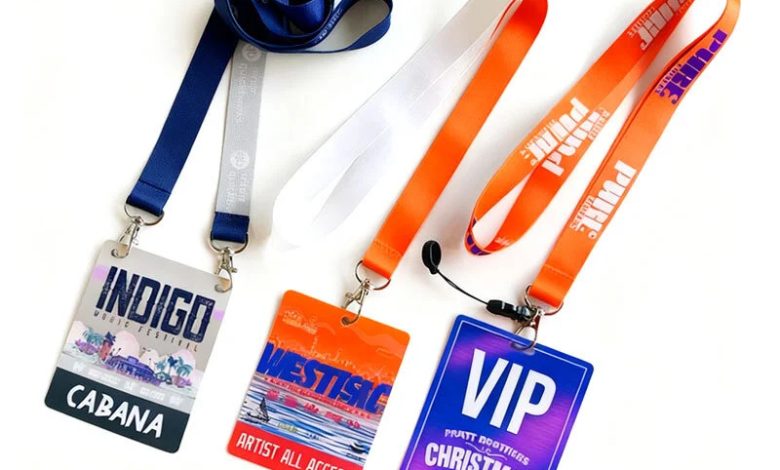
Walk into any contemporary office, gym, hospital, or event, and the same two essentials are at play: an ID badge and membership card. They show who someone is and what they are allowed to access. For years, these cards were simply about printing and data collection. Now, artificial intelligence is quietly modernizing the design, issuance, verification, and day-to-day functions of badges and cards.
After a decade of working with teams to design card programs, I had to master the complexities of the badge and card. The most challenging aspect is getting everything else to sync. Capturing a clean photo, preventing fraudulent use, maintaining accurate records, and streamlining the experience for a person who simply wants to walk through a doorway or access a service is the target of most AI innovations.
Why AI Is Important for the Cards People Use Every Day
An ID badge and membership card is a trust object. It converts identity into a glance, tap, or scan. As with all organizations, the value of a manual, scalable process drops with the number of items that need to be processed. AI eliminates friction from human interactions and, in turn, reduces delays and mistakes. It adds intelligent features that require a level of consistency and attention that are beyond routine manual processing.
Using AI raises concerns, particularly with biometrics. The best software employs AI to optimize quality and safety while maintaining clear policies and human oversight.
Focusing on AI means smarter enrollment and the ability to issue cards faster.
Smarter Enrollment and Faster Issuance
Enrollment is where most card programs either impress or disappoint. AI enhances this phase in three packages.
Quality Control for Photos to Limit Reprints
Most badge delays are due to poor photographs: shadows, low resolution, face misalignment, and distracting backgrounds. The rules for identity photographs are strict, as inconsistency in the images weakens verification. Many guidelines for identity photographs, document photos, or visa application photos warn against using software filters, AI tools, and other alterations since even subtle changes can affect the likeness to the person.
For everyday badges, the objective is the same: clear and consistent faces that match the person. AI photo checks can spot issues so staff do not discover problems after cards are printed and laminated.
Data Capture Is Cleaner With Fewer Manual Modifications
AI-assisted form validation and document capture can reduce the need for manual adjustments to sign-up documents. Small errors at this stage, such as a swapped digit in an ID number or an incorrectly spelled name, can create issues later on in the form of duplicate member records, failed check-ins, or access problems that may persist for a long time.
Automating Processes Leads to More Efficient Printing Workflows
Artificial intelligence does not print cards, but it improves the efficiency of production pipelines by doing things like auto-cropping images, standardizing layouts, and consistently preparing variable data. This is how real-world operations decrease turnaround time from days to hours.
Data Used to Strengthen Access and Verification
Data used to answer the question of “Does the badge exist?” has now been enhanced to answer the question, “Does the behavior match the identity?”
Access Pattern Anomaly Detection
When badge logs are tied to analytics, AI can identify access anomalies, such as brief intervals of access, attempts to access at unauthorized times, and abnormal geographic signals. This is the type of monitoring that is valuable and difficult to do manually at scale, especially in schools, hospitals, warehouses, and office buildings.
Biometrics and Liveness Detection
Some organizations have the added layer of face or fingerprint verification for higher-security areas. When biometrics are implemented, one of the primary protections is that the biometric scanner is equipped with a liveness detection feature that attempts to prevent spoofing by using photographs, recordings, or fake biometrics.
Good security practices incorporate liveness as one of many layers to a system that includes trusted hardware, secure enrollment, and clearly defined handling processes for exceptions.
Bias and Fairness Cannot Be an Afterthought
Face recognition technologies can have unbalanced outcomes across various demographic groups, which highlights the importance of having a biometric component that is thoroughly tested and monitored in real-world conditions, supported by an accountable governance framework.
In practice, most teams find that using AI for photo quality and fraud signals is the most beneficial. They then limit biometric verification to high-security use cases where there is clear consent.
 The Shift From Plastic Only to Tap-and-Go Experiences
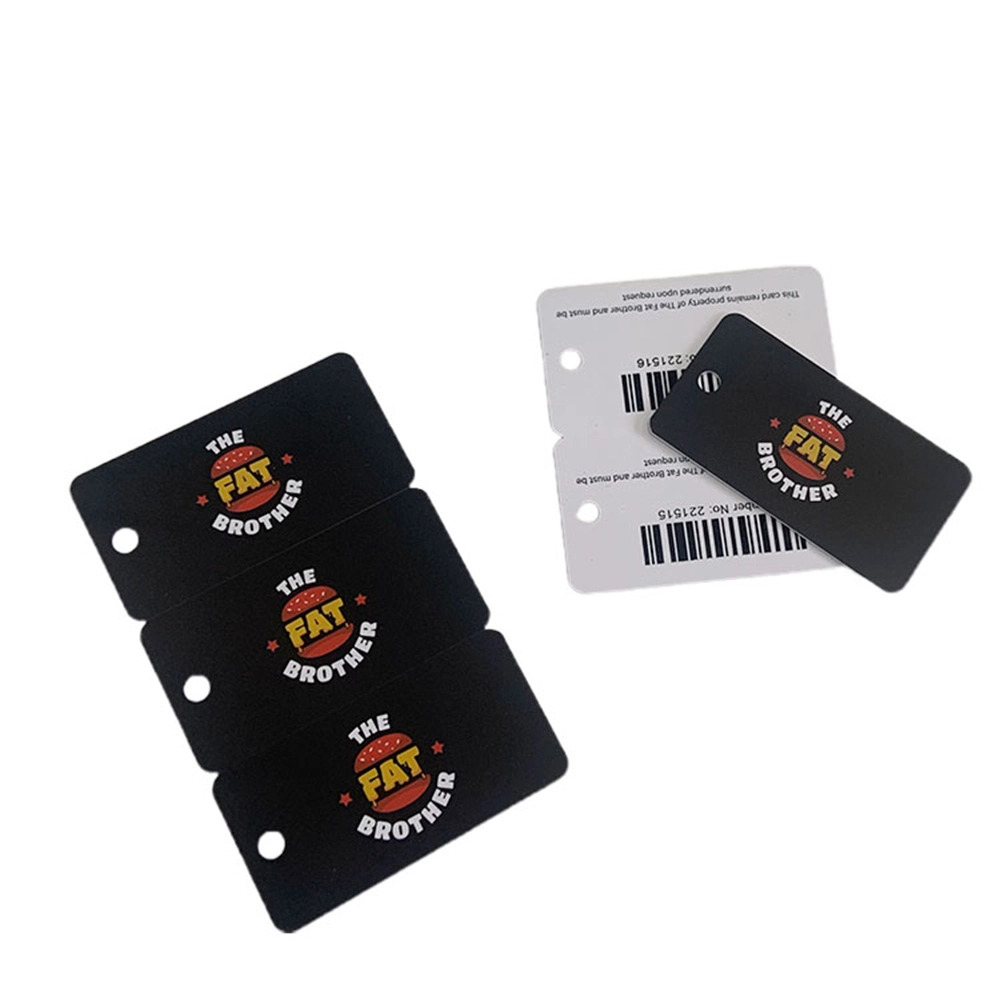 The Shift From Plastic Only to Tap-and-Go Experiences
An ID badge and membership card can have a digital credential, even when a plastic card is present, which is a significant innovation in credentialing.
NFC and Contactless Credentials
Proximity credentials and their associated readers support the most common card-based credential technologies that permit contactless, short-range communication and make for quick taps to grant access, check-in, or validate membership.
Mobile Credentials and Cross-Platform Ecosystems
In access control, mobile credentials are growing, especially where users expect tap-to-unlock convenience. Many organizations are also moving toward cloud-managed systems that streamline the management of enrollment, permissions, and audits across multiple sites.
For many teams, AI supports this transition by managing fraud signals, automating identity checks, and analyzing usage patterns.
How AI Modifies Membership Value and Not Just Access
For membership programs, AI is more than security. It is also about experience.
Relevance in Personalisation
Membership programs use AI to help them pinpoint user segments, anticipate preferences, and create aligned value proposals. Members will appreciate and recognize this value. This helps avoid the problem of big box discounting, which is the hallmark of so many loyalty programs.
When personalization is done poorly, it is intrusive. There is a difference in how the opt-in is managed, the clarity around data use, and the control given to members to set their own preferences.
Support, Automated and Improved
Membership programs using AI support and chat tools can answer questions about renewals, pending balances, access, and lost or misplaced cards. This is a positive for the support team and also for members because it transfers support from a member of the team to the AI, which is much faster, especially with programs that service thousands of members.
A Practical Comparison: Traditional vs AI-Enhanced Programs
Traditional badge programs use manual checks, static rules, and reactive security. AI-enhanced programs use automated quality checks, more intelligent anomaly detection, and expedited issuance workflows.
With ID badges, the operational benefits are usually the biggest, including less photo rejection, fewer reprints, and quicker onboarding. With membership cards, the benefits are often seen in retention, including smoother processes, faster support, and benefits that are more relevant.
In both cases, AI shifts organizations to a more proactive model where credentials are managed, monitored, and improved.
Conclusion: The Card Stays, the System Evolves
ID badges and membership card are not going anywhere, but the system that supports them is getting smarter. AI is improving workflows to minimize bad issuances and make cards more helpful to the holders. The best outcomes are achieved through practical innovations, such as better photo workflows, improved data hygiene, automated access control, and more relevant member experiences.
When AI is viewed as a tool to enhance the quality and trust of processes, rather than solely for automation, the end result is a card program that is modern and has a smooth scaling experience without losing reliability.
FAQs
Does AI remove the need for physical cards?
Not necessarily. Many organizations find value in having physical cards for visibility and simplicity, while also adding digital credentials for convenience. AI enhances both workflows by automating the issuance process and monitoring usage for optimized issuance.
Is facial recognition technology required with an ID badge program?
No. Strong programs are built with good quality photographs, secure badge printing, and smart access rules. Biometrics are only needed in some high-security situations, and those come with an extra layer of governance, testing, and consent.
Can edited photos be used on badges?
When it comes to identity, edits that change facial features should be avoided. These edits can hinder recognition of a person, even minor adjustments, and cause confusion. Instead, keep edits neutral and avoid anything that may change a person’s identity. It is preferable to make improvements in lighting and framing for the photograph.
At what level do you see the most value in the first AI upgrades for small organizations?
Start with automated enrollment validation and AI-based photo quality checks. These are low-hanging improvements that eliminate badge reprints and reduce issuance errors.
How does the use of AI improve the return on investment for membership cards?
When members are enrolled in the program and trust it, AI enhances targeting and personalization, which improves engagement and retention.