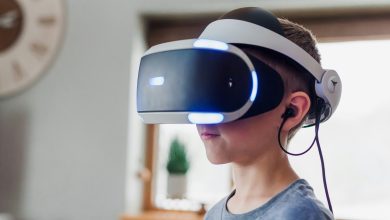
Screens now shape almost every part of daily life. We work on them, study on them, relax with them, and often carry them from morning to night. That constant exposure has made eye strain feel normal for a lot of people, even when it should not. Dryness, blurred vision, headaches, and trouble focusing are all common signs that the eyes are doing more work than they should.
That is where AI is starting to become useful. It is not replacing eye care, but it is giving people and clinicians better ways to notice patterns, catch problems earlier, and build healthier screen habits before discomfort turns into something harder to ignore.
The Growing Impact of Digital Screens on Eye Health
Digital eye strain is one of the clearest examples of how modern habits can affect vision. Long stretches of screen use can reduce blinking, keep the eyes locked at one distance, and leave them feeling tired, dry, or achy by the end of the day. The symptoms often sound familiar: blurry vision, headaches, dry eyes, and reduced focus.
Traditional advice still matters. Taking breaks, improving posture, and reducing glare are all sensible steps. But those solutions depend on people noticing the problem early and changing habits consistently, which is exactly where many people fall short.
How AI Is Improving Eye Health Monitoring and Early Detection
One of AI’s biggest strengths is pattern recognition. In eye health, that can mean tracking how long someone stays focused on a screen, how often they blink, how their posture shifts during device use, or how their visual habits change over time. The benefit is not just more data. It is useful feedback delivered while those habits are happening, not days later.
That is why AI-powered tools are becoming more practical. They can prompt users to blink, take breaks, or adjust screen distance when signs of fatigue begin to build. In that sense, AI acts less like a dramatic medical breakthrough and more like a steady assistant that catches the small things people usually miss.
In clinical settings, AI is already doing more than lifestyle nudging. It can analyse retinal images and help detect certain eye conditions earlier, which shows how machine learning can support screening and decision-making in the right context. That does not mean every consumer app can diagnose vision problems, but it does show where the technology is heading.
How AI Helps Prevent Digital Eye Strain
AI is also becoming part of the devices people already use. As smarter systems are built into screens and software, it becomes easier for devices to respond to visual stress in real time rather than leaving users to manage everything themselves.
That can show up in simple but useful ways:
- smarter brightness adjustment
- better contrast based on ambient conditions
- reminders to rest the eyes
- prompts to improve posture or viewing distance
- more personalised guidance based on usage patterns
The value here is not that AI magically removes eye strain. It is that it helps make healthier behaviour easier to follow in real life, especially for people who spend most of the day moving between screens.
The Role of AI in Vision Correction and Comfort
AI is also shaping how vision support is chosen and refined. As eyewear and lens design become more data-driven, recommendations can be better matched to how someone actually uses their eyes, especially during screen-heavy days.
That is where the human side still matters. If screen use keeps leaving your eyes tired or blurry, the right lenses can help, but only if the underlying prescription is accurate. AI can support comfort and customisation, but it does not replace the need to book an eye test when symptoms persist or your vision feels off.
AI in Wearable Technology and Smart Eyewear
Wearables are another area to watch. Smart glasses and AI-integrated eyewear are being developed to provide more real-time visual support, hands-free information, and context-aware assistance. Some of the future potential lies in how these tools may respond to lighting conditions, user behaviour, or changing visual demands without constant manual adjustment.
That kind of technology is still evolving, but the direction is clear. The more eye-related tools can respond intelligently in the moment, the more likely they are to support comfort before strain builds up. For people already living through screen-heavy routines, that could become one of AI’s most useful everyday roles.
Challenges and Limitations of AI in Eye Care
AI has clear promise, but it also has limits. Privacy is one of the biggest concerns, especially when eye-health tools track behaviour, screen habits, movement, or usage patterns over time. The more personalised the system becomes, the more important it is to know what data is being collected and how it is used.
Accessibility is another issue. Not everyone has the same access to smart devices, wearables, or AI-enabled eye-care tools, which means the benefits may not be evenly shared. That matters because eye strain and vision problems are not limited to people with the newest devices or the best access to care.
And most importantly, AI should not be treated as a replacement for professional eye care. It can help flag patterns, support screening, and encourage better habits, but regular clinical assessment still matters. When vision changes, discomfort lasts, or something feels wrong, real examination still beats self-monitoring alone.
To Sum Up
AI is becoming a useful part of modern eye care because modern life keeps putting new pressure on the eyes. It can track habits, encourage healthier screen use, support earlier screening, and improve how vision solutions are matched to daily routines.
The important thing is to keep the role of AI in perspective. It works best as support, not as a shortcut. In a digital world, better eye health will still come down to a mix of smarter tools, better habits, and knowing when professional care is the next step.