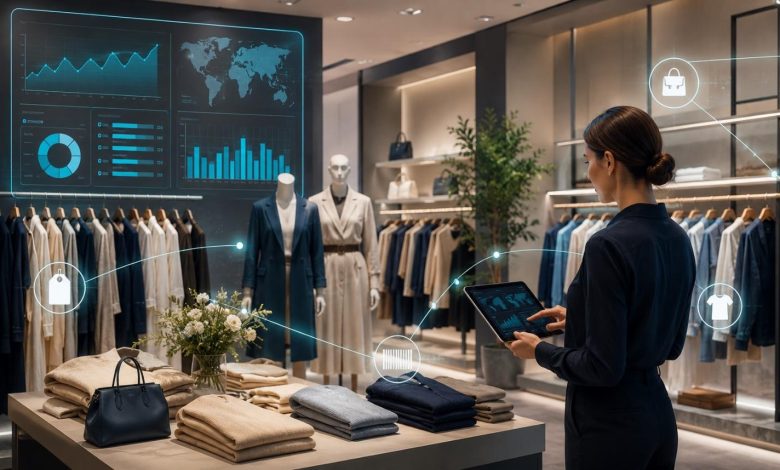
Fashion retail has become much more difficult to manage in recent years. Customer preferences change quickly, trends spread rapidly through social media, and retailers often struggle to keep the right products available at the right time. Many fashion businesses face inventory problems such as overstocked products, delayed restocking, and unsold inventory that eventually requires heavy discounts. At the same time, stock shortages can lead to missed sales opportunities and unhappy customers.
Traditional inventory planning methods are no longer enough to handle these fast-changing market conditions. This is where artificial intelligence is helping fashion brands improve inventory planning and make smarter business decisions.
With the help of AI, companies can better manage their inventories, decrease wastage, and also respond quickly to changes in consumer demands. Many businesses selling Pakistani clothing are also adopting AI-powered inventory solutions.
The Growing Inventory Challenge in Fashion Retail
Inventory management has become one of the biggest operational challenges in the fashion industry. Unlike many other businesses, fashion retailers deal with constantly changing demand patterns and short product life cycles.
-
Fast-Changing Fashion Trends
Today, fashion trends change even more rapidly due to influencer marketing, e-commerce sites, and social media trends. A product can suddenly become popular within days, creating unexpected customer demand. Simultaneously, some other design might see its popularity fading at an equally rapid pace.
These rapid changes make inventory planning more difficult for fashion retailers. Businesses often struggle to predict which products customers will prefer next, especially during seasonal launches, festive campaigns, and high-demand shopping periods.
-
Overstock and Unsold Inventory Problems
Fashion inventory overstocking can be considered the most costly challenge faced by the fashion industry. Overbuying leads to an excess of inventory that will remain unsold while storage expenses continue to rise. Products from the fashion industry are also prone to obsolescence.
Businesses are often forced to offer discounts and clearance sales to recover losses. Poor inventory planning can reduce profitability and create unnecessary product waste.
-
Stock Shortages Affect Customer Experience
Customers expect their favorite products to remain available whenever they shop online or visit a store. When popular items sell out too quickly, it can create frustration and negatively affect the overall shopping experience.
Inconsistency in the stock of products may also cause consumers to switch brands for quicker availability of the products they desire. Inconsistencies in stock availability could ultimately result in mistrust among consumers.
As regards fashion retailing, it is necessary to ensure proper stock levels for both sales purposes and customer satisfaction and retention.
Ways AI Helps Fashion Retailers Make Smarter Inventory Decisions
AI assists retailers in planning their inventories more efficiently through customer behavior analysis, market trends monitoring, and inventory insights. Rather than relying solely on traditional forecasting techniques, organizations can make more precise and quicker decisions about their inventories.
1.Better Demand Forecasting
AI enables fashion retail stores to predict future consumer behavior more accurately by analyzing past transactions, customer tastes, seasonality, and item performance. In place of making subjective judgments, fashion retail stores will be able to leverage the information derived from the analysis of past data to predict future demand.
This gives fashion retailers more time to prepare for upcoming demand shifts and shopping trends. Businesses can stock products more strategically before peak sales, limited-time campaigns, or seasonal transitions. Better planning also assists retailers in improving product availability, avoiding unnecessary overstock, and making purchasing decisions with greater accuracy.
2.Overcoming Excess Stock Issues
Excess inventory is one of the biggest challenges in fashion retail. Smart inventory systems help retailers avoid purchasing unnecessary stock by using predictive analysis and real-time demand tracking.
The business would be able to keep optimal amounts of inventory and not have to rely on ordering too many products through assumptions. This helps the business in minimizing unnecessary inventory, discounts, storage expenses, and wastage of inventory.
3.Faster Response to Stock Shortages
The modern inventory management system tracks the level of stock at all times and alerts retailers once the stock starts decreasing. Thus, retailers can replenish their stock before a shortage occurs.
Moreover, some systems suggest replenishing the stock automatically based on consumer behavior patterns and the performance of the sales.
4.Faster Trend Identification
Fashion trends now evolve rapidly because of social media influence, digital creators, and changing online shopping habits. A product or style can suddenly gain popularity and create a sharp increase in customer interest within a very short time.
Inventory management software allows the company to observe the consumer’s Internet activities and purchases to identify new trends in fashion sooner. Companies will know whether particular styles, colors, materials, or clothing types gain more popularity and adjust their inventory planning.
Retailers can react faster to changes in consumer preferences, manage inventory better, and stay ahead in the ever-evolving fashion industry.
5.Smarter and Faster Decision-Making
Real-time inventory insights help retailers make quicker and more informed business decisions. Businesses can easily identify inventory issues, changing demand patterns, and product performance without relying heavily on manual reporting or forecasting methods.
This improves operational efficiency, reduces forecasting mistakes, and allows retailers to respond more effectively to market changes and customer demand.
Better Inventory Distribution Across Stores and Online Channels
Fashion brands currently employ a combination of sales channels for their products, including physical stores, websites, and online marketplaces. It may be challenging to manage sales channels without proper visibility of inventory levels.
Smart inventory systems help businesses distribute products more efficiently by identifying locations and sales channels with stronger customer demand and better sales performance. Retailers can adjust stock placement based on real-time purchasing patterns and avoid inventory gaps or excess stock in certain locations.
Effective allocation of inventory leads to improved customer satisfaction due to consistent availability of products in both physical and digital sales channels.
Conclusion
Controlling inventory management has now become much more difficult for the fashion industry because consumer tastes change very quickly. In addition, there have been many changes in consumer behavior, and fashion trends are always changing.
Artificial intelligence has been contributing greatly to enhancing decision-making processes associated with managing inventory for fashion retailers, making it possible for organizations to better predict demand, cut down on excess inventory, prevent product shortages, and monitor their inventories at all times.
As competition increases in the fashion industry, AI-powered inventory management systems have become an important tool in helping fashion companies improve their performance and grow their businesses.
FAQs
1.How does AI help fashion retailers manage inventory?
Fashion retailers benefit from the application of artificial intelligence because it enables them to monitor their stock levels based on sales analysis, consumer behaviors, seasonality, and trends in the marketplace.
2.Can AI reduce overstock and stock shortages?
AI can help eliminate overstock and stockouts by improving demand forecasts and continuously tracking inventory. The store will be able to keep its inventory balance and replenish stock when required.
3.Why is inventory forecasting important in fashion retail?
Inventory forecasting enables the fashion retailer to forecast the future demand for its products and plan its inventory.
4.How does AI identify fashion trends?
AI detects fashion trends through online search data, customer purchasing behavior, social media engagement, and sales performance data. It allows businesses to modify their inventory management strategies before fashion trends get too competitive.
5.Why are real-time inventory insights important for fashion retailers?
Real-time inventory visibility aids retailers in monitoring stock levels, tracking product performance, and responding quickly to demand changes. This improves decision-making and operational efficiency.