
The New Visual Economy Powered by AI
Visual content has always shaped how people learn, buy, and connect. What has changed is the speed, scale, and access at which visuals are now created and consumed. Artificial intelligence has removed many of the old limits. Today, a single creator can produce visuals that once required a full studio team. Brands can test ideas in hours instead of weeks. Audiences expect richer visuals, faster updates, and more personalization than ever before.
AI tools now help creators generate images, videos, and edits with minimal setup. This shift is not just about convenience. It changes how ideas move from thought to screen. Small businesses can compete visually with global brands. Educators can create custom learning visuals on demand. Social platforms are flooded with short, sharp visuals that grab attention instantly. As a result, consumers scroll faster but expect more value from every image or clip they see.
This change also affects how people judge quality. Viewers care less about perfect lighting and more about clarity, relevance, and emotion. A helpful visual beats a polished but empty one. AI supports this shift by letting creators focus on the message while automation handles the technical work. The result is a visual world that moves faster and feels more personal. Understanding this shift is key for anyone who wants to stay visible in a crowded digital space.
Creation Becomes Faster, Smarter, and More Accessible
One of the biggest changes AI brings is speed. Visual creation no longer starts with complex tools or long timelines. Creators can test ideas quickly and adjust based on real feedback. This encourages experimentation and lowers risk. A creator can try five visual styles in a day and keep what works. This was not possible before.
AI also helps creators stay consistent. Tools can learn a brand’s style, tone, and look. This means teams spend less time fixing mistakes and more time refining ideas. Visuals stay on brand even when produced at scale. This is especially helpful for startups and solo creators who juggle many roles at once.
Runbo Li, Cofounder and CEO of Magic Hour, explains this shift from his own experience.
“I saw how many people had great ideas but could not turn them into visuals fast enough. With AI, I can go from concept to finished video in minutes and see how people react right away. When we started sharing sports edits, we focused on speed and creativity over perfection. That approach helped us reach massive audiences and land real business partnerships.”
His experience shows how AI turns creativity into momentum. The barrier is no longer skill level or budget. It is clarity of idea and willingness to test. This democratization of visual creation is reshaping who gets seen and who grows.
How AI Changes What Audiences Expect
As creation becomes easier, consumption changes too. Audiences now expect visuals to be timely, relevant, and useful. Static images and generic videos struggle to hold attention. People want content that feels made for them, even if it is created by automation.
AI enables this by supporting personalization. Visuals can adapt to context, platform, or audience segment. A business profile image can change slightly for different uses. A video can be cut into multiple formats for different platforms. Consumers may not notice the AI behind it, but they feel the improvement.
Edward Cirstea, Founder of Fotoria, sees this shift clearly in professional branding.
“I noticed that people needed strong visuals for work but did not have time for photo shoots. AI allowed us to give them realistic, professional images in minutes. What surprised me was how confident people felt using them. When visuals remove friction, people show up more consistently and communicate with more confidence.”
This highlights a key trend. AI visuals are not about replacing creativity. They remove friction that blocks expression. Consumers respond when visuals help them move faster, look clearer, and feel understood. As expectations rise, creators who embrace AI gain an edge by meeting people where they are.
 From Creation to Retrieval: Making Visuals Useful
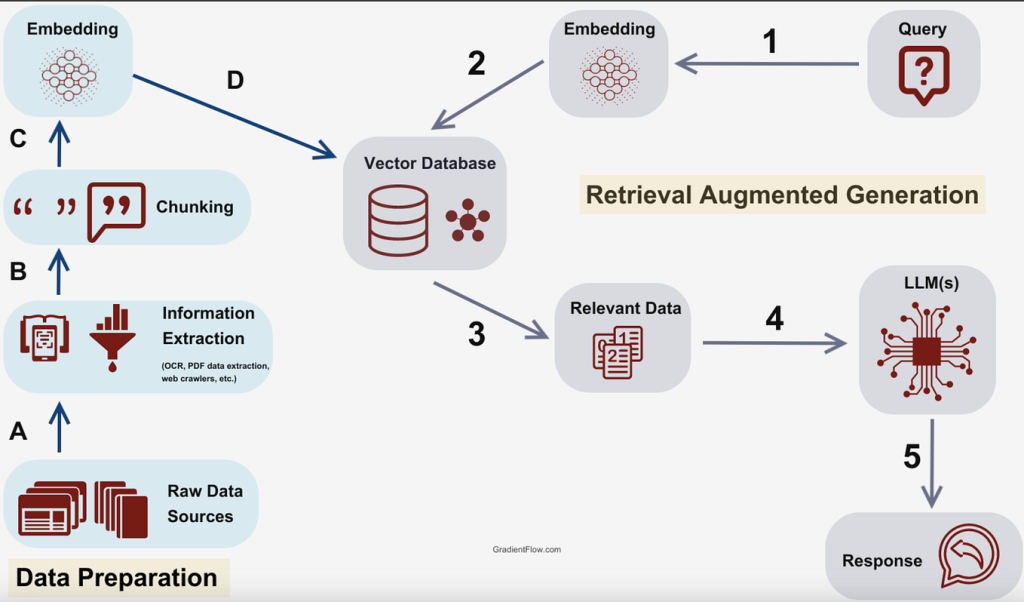 From Creation to Retrieval: Making Visuals Useful
Another major shift is how people manage and reuse visual content. In the past, visuals were consumed and forgotten. Today, people save more content than they can remember. AI now helps turn saved visuals into usable knowledge.
This is where consumption meets organization. AI tools can tag, search, and surface visuals based on intent, not just date. This changes how people learn from visual platforms. Saved videos become resources, not clutter.
Nick Rogers, Founder of ReelRecall.ai, built his product after facing this problem himself.
“I kept saving videos with real goals in mind, but I could never find them later. AI gave me a way to respect that intent and make saved content useful. Now people search their saved videos by topic or need, not by memory. When visuals become easy to retrieve, they finally deliver real value.”
This insight shows the next phase of visual consumption. It is not just about watching. It is about using. AI bridges the gap between inspiration and action by organizing visual content around purpose.
What This Means for Creators and Brands
The rise of AI in visual content creation and consumption leads to one clear conclusion. The winners are not those who produce the most visuals, but those who use visuals intentionally. AI rewards clarity, relevance, and adaptability.
Creators should focus on ideas first and execution second. AI will handle much of the technical work, but it cannot replace understanding your audience. Brands should treat visuals as living assets. Test them, refine them, and reuse them across platforms. Consumers will continue to reward content that helps them act, learn, or decide faster.
AI is not removing creativity from visual content. It is removing friction. The tools are now powerful enough that anyone can participate. What matters is how thoughtfully those tools are used. Those who adapt will create visuals that move faster, connect deeper, and last longer.