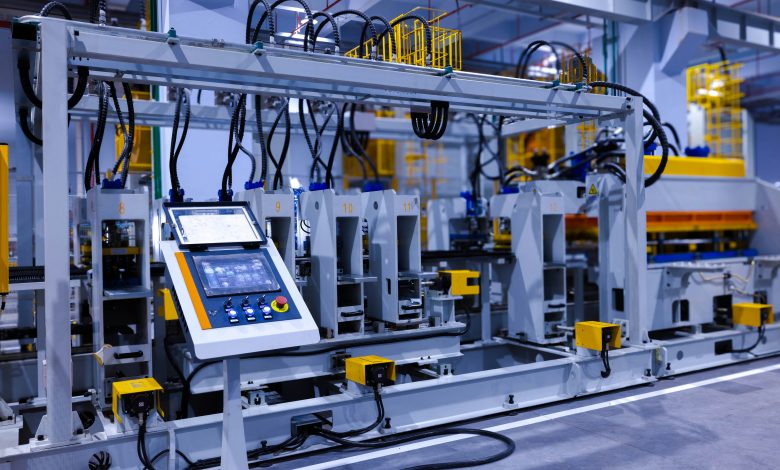
Unexpected machine breakdowns can bring operations to a halt. It can delay production across many industries, including manufacturing, logistics and transportation. Consumer trust, money and time can be lost when equipment breaks down, so fast, reactive measures are needed to get things up and running again.
AI is changing how companies work across almost all industries, streamlining workflows and automating repetitive tasks. Discover AI-powered predictive maintenance, how it works and how it is impacting businesses.
What Is Predictive Maintenance?
Predictive maintenance is a process in which a company takes measures to detect equipment failures before they occur. This enables teams to be proactive rather than reactive about maintenance issues, which will help prevent operations from slowing down or grinding to a halt.
Predictive maintenance in manufacturing is usually achieved with sensors that provide real-time data, which experts can analyse to make a judgment call on whether a machine needs repairs or part replacements.
The issue with this form of predictive maintenance is that it relies on human expertise. This makes it difficult to scale predictive maintenance for growing or large multinational companies. Traditional predictive maintenance is time-consuming and risks failures due to human error and inconsistent schedules.
AI is transforming predictive maintenance. Machine learning models can analyse enormous amounts of sensor data in seconds and identify patterns that flag potential equipment problems. Predictive AI analysis is useful across industries beyond manufacturing, as it is also used to reduce misdiagnoses in healthcare.
How Does AI Predict Machine Breakdowns?
Here are some ways that predictive AI models can analyze and act on both historical and current data.
Learn Normal Machine Behavior
Making predictions based on information and data is fundamental to how AI works. LLMs respond to queries by using the huge amount of information they’ve been trained on to predict what the most logical response should be to a query, statement or whatever else someone inputs.
AI models are fed a huge amount of information relating to machine behavior, signs of issues and more. They can make predictions based on the knowledge they have absorbed.
Collect Machine Data
AI begins the prediction process for a piece of equipment by analyzing its sensor data. Many industrial machines, including CNC machines used in manufacturing, have sensors that provide real-time data. The global CNC machine market is worth over $68 billion and is expected to grow, especially as it can work alongside AI-powered predictive maintenance.
Detect Anomalies
Learning how machines should operate and collecting real-time sensor data help the AI model notice patterns and anomalies. It can spot increased vibration, temperature spikes, irregular sound patterns and more.
Predict Failure Probability
Anomalies, such as increased vibration and temperature spikes, can occur days or even weeks before a machine breakdown. A good AI model can flag these concerns and report how likely it considers a breakdown to be. It may also offer suggestions for fixing the problem.
Alert Maintenance Teams
AI models can alert maintenance teams when they spot an anomaly. This means a staff member doesn’t need to keep writing fresh prompts for the LLM every day. The AI can run in the background and send a message if it spots an issue. Maintenance teams can adjust exactly how the AI works and the types of reports it sends.
Continue to Learn
AI models can improve over time by learning from new machine data and past maintenance outcomes. This should mean that predictive AI maintenance will become stronger and more accurate in the future.
Benefits of AI Predictive Maintenance
AI is transforming how companies tackle maintenance, and it is expected to become even more widespread thanks to the benefits it can provide.
Reduced Downtime
AI’s ability to detect early warning signs in the data it collects helps it flag small issues before they escalate. This helps companies be proactive rather than reactive and lets them stay on top of their equipment’s needs and maintenance. Unplanned downtime costs industries an estimated $50 billion per year, and AI could help reduce it.
Lower Maintenance Costs
Identifying problems early and fixing equipment while the issue is small can save businesses huge amounts of money over time, rather than having to fix large issues or replace equipment entirely. Predictive maintenance can reduce operational costs by up to 25%, and this reduction could increase further as AI continues to improve.
Longer Equipment Lifespan
A healthy, smoothly operating piece of equipment can keep running much longer than one that constantly overheats or suffers serious damage. A good AI model, when used by a great maintenance team, can improve equipment lifespan.
Improved Operational Efficiency
AI can also produce reports and offer suggestions to optimize efficiency. Maintenance teams can develop better schedules if they know what to prioritize, and AI can flag items the team may have missed.
Increased Safety
Equipment failures can spark dangerous situations, especially in intense industrial workplaces. Detecting faults early helps keep the likelihood of severe malfunctions and accidents to a minimum.
From Reactive Repairs to Predictive Maintenance
AI is helping maintenance teams stay on top of equipment issues, ensuring they can address problems before they escalate into malfunctions that can slow operations and leave customers dissatisfied. AI will likely play an even bigger role in maintenance and repairs in the future.