Unpredictable natural disasters are a product of rapid urbanization and climate change. Cities across India are suffering the consequences of natural disasters including catastrophic flooding, destructive cyclones, earthquakes, and devastating storms. Unfortunately, natural disasters cannot be avoided. However, new technologies, including artificial intelligence (AI), innovate smarter and faster insurance solutions to reduce the economic burden of home insurance claims.
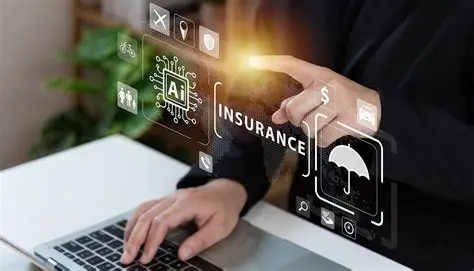
In the modern era, home insurance policies are bolstered by the incorporation of cutting-edge artificial intelligence (AI), satellite monitoring, and predictive analytics technology. AI, satellite monitoring, and predictive analytics are used to expedite digital claims processing, and to streamline recovery efforts, making the home insurance claims process more efficient.
How AI Connects the Risk of Natural Disasters to Home Insurance
Traditionally, insurance companies used historical data and manual assessments of the risk in a given area. AI technology revolutionizes risk prediction by incorporating climate change, satellite data, and geographic risk assessments to predict areas of potential disasters.
With AI technology becoming the standard in risk assessment, insurance companies are able to:
- Offer risk assessment-based premium calculations and set insurance premiums more accurately.
- Preemptively identify areas where people could be exposed to disasters. These areas are described as high risk zones.
- Provide policy holders and potential insureds with adequate and unique home insurance coverage that considers actionable data.
For instance, insurance companies can recommend particular areas to avoid for home insurance coverage options in a region where flooding is predicted. This avoids a homeowner being left financially vulnerable at the time of the natural disaster.
- Damage Assessment and Claim Processing with the Aid of Artificial Intelligence
Processing claims after a natural disaster is a daunting task. In the past, this involved multiple steps, including physical inspections, the completion of extensive paperwork, and enduring a long waiting game.
Today, however, AI has improved this system further.
Here’s how it works:
- Durable imaging technology is used to capture the damage.
- Artificial intelligence identifies and analyzes structural damage.
- Homeowners can share photos of the damage using a mobile app.
- Repairs or mitigation are instantly estimated using AI.
This improved method means proof of loss documents can be submitted sooner and human errors are minimized. AI has improved a home insurance policy so that customers can be fully reimbursed and the stress of rebuilding a home is minimized.
- Protection of the Home through Intelligent Risk Modeling
Natural disasters can inflict profound damage to a home. An earthquake can crack the foundation, a flood can damage walls and the roof of a home can be destroyed by a cyclone.
Modern technology uses AI and risk modeling to predict damage and loss by:
- Determining the types of materials used to build
- Determining the types of materials used to build
- Estimating the loss of materials.
With this technology, insurers can offer modern policies that value a structure’s real reinstatement value.
- Coverage of Belongings Through Digital Inventories
Natural disasters often lead to the loss of furniture, electronics, appliances, and personal possessions. When filing insurance claims, many homeowners forget what items they had.
New AI-based digital inventory applications allow homeowners to:
- Scan and create a record of all items in a household.
- Digitally save bills of purchases
- Maintain cloud-based ownership documents
This makes it easier to file claims for the contents of a home insurance policy. Having the right home insurance coverage options for personal belongings allows families to replace important items and get back to normal.
- the role of AI in alerts and risk management
The AI system offers pre-disaster risk mitigation.
New technologies for smart homes combined with insurance provide:
- Real-time weather alerts
- Flood alerts
- Storm tracking
- Alerts for water leaks and fire risk
Some insurance companies also provide discounts to customers who incorporate IoT-based protective elements, such as smart smoke detectors, into their homes. Integrated technology in the insurance system reduces risk and increases financial security in the long term.
- AI support systems for temporary relocation
In the case of severe damage to the home, the owners may need to relocate temporarily. AI insurance systems can:
- Verify displacement claims
- Authorize coverage for additional living expenses.
- Money is transferred instantly and automatically with no paperwork.
When home insurance claims are filed, this part of coverage provides families with money for hotel or rental units during the necessary repairs.
Customers of insurance companies can use digital technology to view and track claims at any point during the life of the claim. This helps to relieve the stress of waiting for an insurance company to respond to a claim.
- Use of Predictive Analytics for Disaster Planning
In order to predict long-term climate events, insurance companies have started utilizing predictive analytics. Machine learning models analyze large datasets, such as historical patterns of:
- Rainfall
- Earthquakes
- Shoreline and Coastal erosion
- Urban sprawl
Predictive analytics and machine learning help to create highly specific and refined home insurance policies. Coverage is no longer based on generalized data. Instead, Artificial Intelligence allows hyper-personalized insurance solutions.
Importance of Tech-Driven Home Insurance
Having an AI-backed insurance system, homeowners gain:
- Rapid claims processing
- Improved transparency and digital processes
- Better sophisticated policy coverage to meet their specific needs
The protection of technology is shifting the insurance industry to be a pro-active risk management business and not as a reactive insurance business.
Conclusion
Natural disasters may be out of our control, but we can outsmart financial loss, and technology has evolved the way we think about home insurance. The benefits of modern home insurance policies, combined with predictive analytics, AI monitoring, and integrated digital claims, keeps the policyholder in the driver’s seat with the most options available.
From claims, customized assessments, and smart alerts, technology puts the policyholder in control and provides them with the tools to stay smart and protected from the unknown. With technology aiding the policyholder, the insured can manage their risk, stay insured, and utilize the latest advanced predictive analytics to better manage their risk before, and during, claims as well as after the risk has been realized.
With the evolving digital landscape in India across all industries, AI enabled insurance solutions in the insurance industry is the way of building financial stability and securing protection.
FAQs
- How does AI improve a home insurance policy during disasters?
AI enhances and customizes the risk assessments and claims processing from the insurer’s perspective, optimizing the process and improving the insurer’s experience.
- Does home insurance coverage include technology-based claims support?
Yes, a number of modern insurance providers have technology-based claims support, including app-based claims, a digital claims system, and AI damage assessment.
- Can AI help reduce home insurance premiums?
Yes, smart risk assessment and IoT-based preventative measures can be utilized to reduce risk (and therefore premiums) over time.