



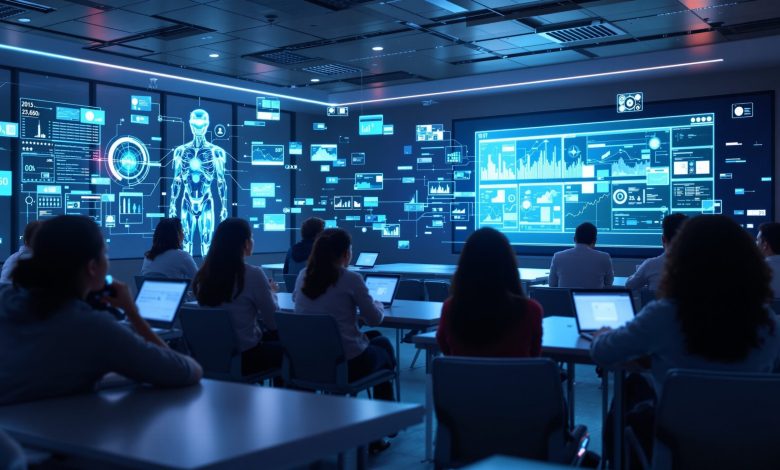
Classrooms don’t look the same anymore. Not just physically, but in how learning is measured. It used to be simple: teach a lesson, give a test later, move on. Now it’s more constant. Teachers check understanding every day, sometimes every few minutes. That shift didn’t happen randomly. It came from a need to actually see what students are learning in real time, not weeks later when it’s too late to fix gaps.
Technology pushed this forward. AI especially. It didn’t replace teaching, but it changed how information flows. Teachers aren’t guessing as much. They’re seeing patterns, responses, and small mistakes before they grow into bigger ones.
Still, the foundation hasn’t disappeared. Basic classroom tools, quick questions, short reflections, and end-of-class checks are still there. What’s changed is how they’re used.
And that’s where things start to connect. Traditional methods, now supported by smarter systems, work together instead of separately.
The Evolution of Classroom Assessment Methods
Assessment didn’t start with AI. It started with simple checks. Teachers asking questions, students answering, maybe writing something down before leaving class. Quick, direct, nothing complicated.
Those small methods still matter. In fact, they’re often the most useful. You don’t need a full exam to see if a student understands a concept. Sometimes a short response at the end of a lesson tells you more than a test later on.
That’s why structured tools became popular. Teachers needed consistency. A way to ask the same type of question, get clear answers, and compare results over time. Using resources like exit ticket templates helps standardize that process by giving teachers ready-to-use formats for quick assessments, making it easier to collect responses and review them without overcomplicating the lesson flow.
What’s different now is how these tools are handled. They’re not just paper slips anymore. They’re digital, trackable, and easier to organize. Responses don’t get lost. Patterns become visible.
And once those patterns show up, AI can step in to make sense of them faster than a person could on their own.
How AI Enhances Real-Time Student Feedback
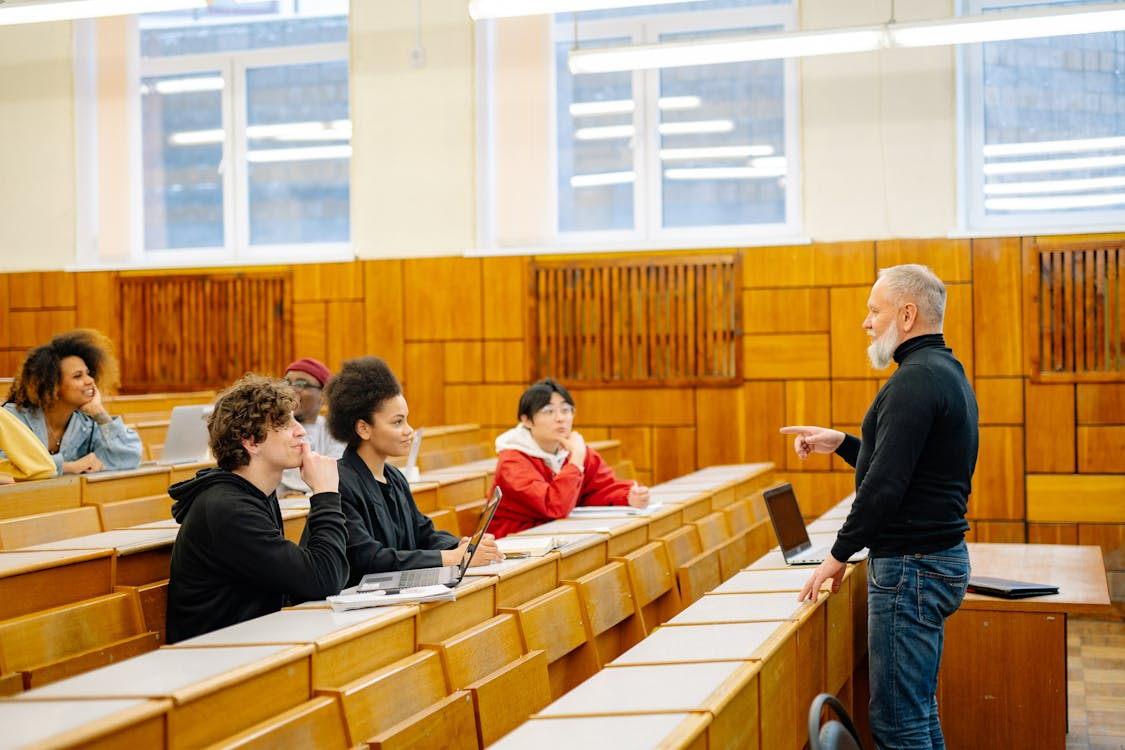
Feedback used to take time. You’d collect work, review it later, and return it the next day or even later. By then, the moment had passed. Students moved on.
AI changes that timing. Responses get processed immediately. Not perfectly, but quickly enough to matter. A teacher can see who understood the lesson and who didn’t, right after it ends.
That changes what happens next. Instead of moving forward blindly, teachers adjust. Maybe revisit a concept. Maybe break it down differently.
Students benefit too. Immediate feedback helps them correct mistakes before they become habits. They don’t wait days to find out they misunderstood something.
It’s not about replacing teachers. It’s about speeding up the loop between teaching and understanding.
Personalization of Learning Through AI
Not every student learns the same way. That’s obvious, but hard to manage in a classroom setting. One size doesn’t fit everyone.
AI helps track individual progress. It notices patterns, who struggles with certain topics, who moves faster, and who needs more repetition.
Based on that, learning can adjust. Not dramatically, but enough to matter. Some students get extra practice. Others move ahead.
This kind of personalization wasn’t easy before. It required too much manual tracking. Now it happens in the background.
Students stay more engaged when the material matches their level. Not too easy, not too difficult. Just enough challenge to keep them involved.
Reducing Teacher Workload While Improving Accuracy
Grading takes time. A lot of it. Especially when it’s frequent.
AI handles some of that load. Not all, but enough to make a difference. Simple assessments, short responses, and multiple-choice answers can be processed quickly.
That frees up time. Teachers spend less effort on repetitive tasks and more on actual teaching.
It also reduces small errors. Manual grading isn’t perfect. Mistakes happen. AI systems, while not flawless, are consistent in how they apply rules.
The goal isn’t to remove teachers from the process. It’s to support them.
Data-Driven Insights for Better Decision Making
Data used to be limited. A few test scores, maybe some notes. Not enough to see full patterns.
Now there’s more information. Daily responses, ongoing assessments, and trends over time.
AI organizes this data. Turns it into something usable. Teachers can see where the class is struggling overall, not just individual cases.
That helps with planning. Lessons can be adjusted based on actual performance, not assumptions.
It also helps identify long-term issues. Concepts that consistently cause problems. Areas that need more focus.
Better data leads to better decisions.
Balancing Technology with Human Teaching
AI helps, but it doesn’t replace the human side of teaching. It can process information, but it doesn’t understand context the same way a person does.
Teachers still interpret results. Decide what to do next. Adjust based on behavior, not just data.
There’s also the emotional side. Encouragement, support, and understanding aren’t automated.
So the balance matters. Technology handles efficiency. Teachers handle the connection.
Both are needed.
The Future of Classroom Assessment
Assessment will keep changing. More digital tools, more automation, more integration with daily lessons. It won’t just be quizzes or end-of-unit tests anymore. Small checks will happen constantly, almost unnoticed, short responses, quick interactions, and even behavior patterns picked up over time.
But the core idea stays the same: understanding what students know, when they know it. That doesn’t change. What changes is how quickly that information shows up and how clearly it can be used.
AI will likely become more seamless. Less noticeable. Working in the background, supporting decisions without interrupting the flow of teaching. Teachers won’t need to stop and analyze everything manually. The system will surface what matters, who’s falling behind, who’s ready to move forward, and where confusion is building.
Assessment won’t feel like a separate task. It’ll be built into the lesson itself. A question here, a response there, small signals collected throughout the day. No clear start or end. Just continuous feedback.
And that shift is already happening. Slowly, not perfectly, but enough to change how classrooms function day to day.
AI and modern assessment methods aren’t competing. They’re working together. One provides structure, the other provides speed and insight.
Traditional tools still matter. They’re just being used differently now.
The result is a more responsive classroom. Faster feedback, better understanding, fewer gaps left unnoticed.
Learning becomes more continuous. Less about waiting for results, more about adjusting along the way.
And that shift, quiet, gradual, is what’s improving student learning the most.