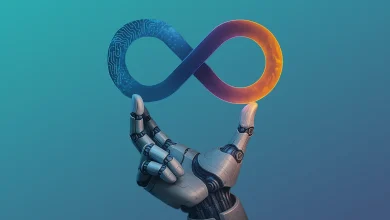
Most B2B sales teams have used AI in some form by now. Auto-generated emails, lead scoring models, call transcription. But these are tools that help reps do their jobs. AI agents are different. They do parts of the job themselves.
An AI agent is autonomous software that can take a goal, break it into steps and execute those steps without someone clicking buttons along the way. In a sales context, that might mean an agent that spots a buying signal, researches the account, drafts a personalised outreach sequence and books a meeting, all before a rep even opens their laptop.
Early versions of this are live right now. Over the next five years, they’ll go from novelty to expected infrastructure. Continue reading to discover what that change will actually look like and where human sellers still have the edge.
What Agents Can Already Do in 2026
The first generation of sales agents is already in production at thousands of companies. They’re handling the repetitive, high-volume work that eats up a rep’s day.
- CRM hygiene is the most common starting point. Agents monitor records for gaps, duplicates and stale fields, then fix them automatically. That sounds unglamorous, but dirty data has been the quiet killer of sales operations for decades. When your CRM is clean without anyone having to maintain it manually, everything downstream improves: segmentation, reporting, forecasting, routing.
- Prospecting and outreach is the most visible use case. AI SDR agents can now research a prospect using public data, enrich contact records, generate personalised messages and manage follow-up cadences. Gartner projects that 75% of B2B sales organisations will use some form of AI-driven sales development by the end of 2026, up from roughly 28% at the close of 2024.
- Meeting prep and follow-up is another area where agents are saving serious time. They’ll pull context from CRM records, past emails and call transcripts before a meeting, then log notes, update deal stages and draft next-step emails afterwards.
None of this is science fiction. It’s live, and it’s working. But there’s an important caveat: most of these agents still operate with a human in the loop. They draft, suggest and queue actions. A rep still reviews and approves.
The CRM Platforms Building Agent Capabilities
The biggest move in 2026 isn’t happening in standalone AI tools. It’s happening inside the CRM platforms themselves.
Salesforce has gone furthest, rebranding its entire product line around the Agentforce concept. Agentforce Sales puts autonomous agents alongside reps to handle prospecting, research, lead nurturing and follow-up. Their B2B Buyer Agent can now orchestrate procurement conversations directly inside WhatsApp and SMS. It’s an aggressive bet that the CRM will evolve from a system of record into a system of action.
HubSpot has taken a different approach with Breeze, its AI ecosystem. Breeze Agents handle tasks across marketing, sales and service. The Prospecting Agent monitors accounts for buying signals and generates contextual outreach. The Data Agent keeps CRM records clean automatically. HubSpot’s advantage here is accessibility. Most teams can deploy their first Breeze agent in hours, not months.
Smaller platforms are moving fast too. Attio is building AI directly into its flexible data model and going by industry rumours, they are doing a pretty good job of integrating it into their wider ecosystem.
The gap between these platforms is closing fast, though. A year ago, the best CRMs for teams were mostly competing on data models and integrations. Now the race is about who ships the most capable agents first.
A Realistic Timeline: What Changes and When
The hype around AI agents runs ahead of reality. Here’s a more grounded view of how the next five years will likely play out.
2026 to 2027: Agents Handle Admin and Early-Stage Prospecting
This is where we are now. Agents will become standard for CRM maintenance, initial lead qualification and first-touch outreach. The companies adopting them will see real gains in rep productivity, but the agents will still operate within tight guardrails. Expect most deployments to follow a human-in-the-loop model, where the agent does the legwork and a rep signs off.
2028 to 2030: Agents Start to Own Full Workflows
As trust builds, agents will take over complete sequences. Think end-to-end prospecting without human review, or automated proposal generation that pulls from pricing databases and past deal structures.
Multi-agent systems will emerge, where one agent handles research, another drafts messaging and a third manages scheduling. The role of the SDR will shrink. Many teams will cut junior prospecting headcount and reinvest in account executives and relationship managers.
Human Input Is Never Going Away
By 2030, most B2B sales organisations will run blended teams of humans and agents. Agents will handle the full top-of-funnel motion autonomously, from signal detection through to qualified meeting.
Human sellers will focus on complex negotiations, strategic accounts and relationship building. Adoption won’t be even, though. Enterprises with strict compliance requirements will move slower than SMBs and mid-market companies running turnkey solutions from the major CRM platforms.
What Will Still Need a Human
There’s a temptation to assume agents will eventually handle everything. They won’t. Some parts of B2B sales are fundamentally human, and they’ll stay that way.
- Complex negotiations involve reading a room, making trade-offs on the fly and managing relationships with multiple stakeholders who have competing priorities. Agents can prepare the data and model scenarios, but a human will close the deal.
- Trust and relationships still drive the biggest B2B deals. When a buyer is committing six or seven figures, they want to know there’s a person on the other side who’ll be accountable. No amount of personalisation from an AI will replace that.
- Creative problem-solving is another gap. When a deal goes off-script, when the buyer’s needs don’t fit neatly into your product, when you need to structure something unconventional, that requires judgment and improvisation that agents can’t replicate yet.
- Ethical judgment matters too. Agents don’t understand context the way humans do. They don’t know when to back off, when a prospect is going through a difficult time, or when pushing for a close would damage a long-term relationship.
The best sales teams in 2030 won’t be the ones that automated the most. They’ll be the ones that automated the right things and kept humans where humans are irreplaceable.
The Sales Teams That Will Come Out Ahead
AI agents won’t replace B2B sales teams. But they will fundamentally change what those teams spend their time doing. The admin, the data entry, the first-touch outreach, the follow-up chasing: all of that is heading towards full automation within the next three to five years.
What’s left is the work that actually requires a person. The hard conversations. The creative deal structures. The long-term relationships that turn a customer into an advocate. The teams that will come out ahead are the ones that treat agents as infrastructure, not as a magic fix. They’ll invest early, iterate carefully and keep their best people focused on the work that moves the needle. The technology is ready. The question is whether your team is.