
Many students believe productivity depends only on motivation. However, motivation changes from day to day. Systems, on the other hand, remain steady. An effective schedule also gives some guidelines when the energy is low and students remain on track.
With a definite day-to-day routine for students, time is easier, work is less daunting, and improvement is evident. Students start to be the leaders of the day instead of responding to it.
The Power of Simple Daily Structure
It is hardly possible to have a productive day without a plan. It is generally the outcome of minor, repetitive habits that direct what one does in the morning to the night. The organization will minimize distractions and conserve brain power. Students who are informed of how to do and when to do things have less time wasted on worrying and more time working efficiently.
Mentality is also assisted by routine. Decision fatigue can occur because of continually determining what the next task to perform is. An intended building eliminates that weight. Students are able to concentrate on learning and not on planning every day.
Consistency is another valuable advantage. It is also well known that studying in shorter and focused hours daily is sometimes a better method than longer and mishap sessions. These continuous attempts enhance knowledge, memorization and assurance with time. A routine converts study time into a daily (stress-free) routine.
How a Good Routine Helps Students Stay Productive
An effective routine is a functional mechanism that promotes academic success and individual health. The main ways in which it makes a difference are the following:
- Establishes a Clean Slate of the Day.
Planned activities early in the day will help in avoiding confusion in the morning and enhancing concentration.
- Promotes Greater Prioritization.
There is no reason as to why important tasks are not done at the earliest moment possible rather than performing them at the end of the day.
- Enhances the level of concentration.
Specific study time will enable the mind to remain concentrated without a lot of interruptions.
- Prevents Burnout
Meditated breaks maintain the level of energy and help to learn better.
- Promotes Sleeping Healthy.
The well-organized day will ensure the students are getting regular sleep, which enhances memory and awareness.
- Reduces Procrastination
Tasks can be scheduled and there is less space for delays and errors.
- Strikes a Balance between Academic and Personal Life.
Hobbies, exercise and relaxation time form a part of the plan and not an afterthought.
- Lowers Daily Stress
The anxiety and mental pressure caused by the day are minimized through knowing what to expect in the day.
- Builds Long-Term Discipline
Through little everyday practices, self control and responsibility is gradually enhanced.
- Strengthens Self-Confidence
The day-to-day accomplishment of goals gives one the positive feeling of accomplishment and control.
Simple Planning Tools That Make Routine Easier
Even complex systems are not needed to create a routine. Some practical tools can simplify the process of organization to organize it better on a daily basis.
Visual Planning – A February 2026 calendar gets the students to keep an eye on exams, deadlines, and other significant events in a single place.
Breaking Tasks into Steps – Big tasks can be broken into small parts which will make work more manageable.
Daily Organization – A free printable student planner will enable the student to write to-do items in a clear way and keep track of their advancement.
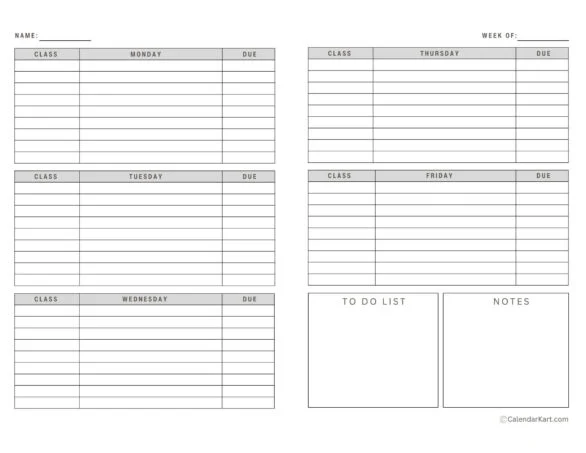
Time Blocking – Allocating time to subjects enhances concentration and responsibility.
End-of-Day Review – It is a brief reflection that enables students to make the following day realistic.
These tools create clarity. Tasks can be viewed and arranged in order, thus making students feel more in control and less overwhelmed.
Routine and Emotional Resilience
An organized day is more advantageous than academic performance. Students get the feeling of less guilt and more satisfaction in their free time when a routine is followed and planned activities are done. Relaxation is not stressful but rewarding.
Routine also develops resiliency. Hard days are inseparable in the life of a student. In case of low motivation, the system serves as a guide, as the progress would go on even in the absence of great enthusiasm. This consistency lessens emotional variations and enhances security.
Students gradually start to believe in themselves. That faith develops independence and equips them to take responsibilities in the future, even outside school or college. This emotional stability is the second benefit of the daily routine of the students, which in many cases affects performance more than even the study hours do.
Conclusion
An organized day routine makes work a gradual success. Intentional planning of time enables students to alleviate stress, become more focused, and develop habits that enable students to accomplish their academic goals and enhance personal development.
Regular routines acquired over time create discipline, confidence and independence that moulds the students into more competent and orderly persons who are prepared to achieve great success in the long run.