KAWANISHI, Japan, Aug. 3, 2026 /PRNewswire/ — Green Science Alliance is the Green Tech Startup company to develop cutting-edge technologies for sustainable, carbon neutral society in energy and environmentally friendly field, and one of their cutting-edge products are called quantum dots.
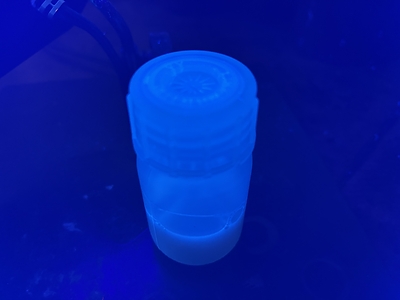
Quantum dots are extremely tiny man-made nanoparticles typically between 10 to 10000 atoms or molecules (1 to 9 nanometers) in diameter. They are sometimes called artificial atoms or molecules. At this size range, the energy levels of electrons are no longer continuous and are separated due to the physical phenomenon known as the quantum confinement effect. The electronic characteristics of quantum dots are determined by quantum confinement effect depending on their chemical composition, size, shape so that the wavelength of emission light depends on those characteristics. The unique properties of quantum dot can be utilized for solar cell, display, bio imaging, photonic crystal, laser, LED, artificial photosynthesis and quantum dot computer etc…
Green Science Alliance has been developing various types of quantum dots and quantum dots based products and this time, Dr. Ryohei Mori has successfully synthesized quantum dot from organic waste (woods waste, foods waste) and confirmed that they can be applied as pests repellent.
Human has been suffered from insect pests in history since ancient times. For example, mosquitoes and blackflies are blood-sucking, biting pests to humans and livestock. Food contamination and deterioration are caused by rice weevils, cockroaches, and acarids.
Tinea (cloth moth) and carpet beetle destroy cloth and textile by eating them. Termites and wood beetles are the reasons for damaging furniture and building materials. As such, there are indeed many types of pests and various prevention and extermination counter measures have been taken to reduce their damage impact.
Insecticides are effective substances against these pests and synthetic chemical compounds such as organophosphates, organochlorines, pyrethroids, and carbamates have been commercialized so far. However, there are concerns about residual toxicity to humans and livestock, as well as becoming the potential risk of environmental pollution. Thus, attention is being paid to apply repellents instead of insecticides which do not kill pests but instead contain ingredients that encourage pest repellent behavior. Moreover, the advantages of repellents is that the risk of resistance acquisition of pests can be less compared to insecticide because their effect is indirect to pests, compared to insecticides. Moreover, toxic residual influence might be less because repellents tends to evaporate.
Ingredients of repellent can be broadly divided into chemically synthesized substances and natural derived ones and ideally, natural derived pest repellents are preferable from safety and environmentally points of view. For example, DEET (N,N-diethyl-m-toluamide) is a typical example of a chemically synthetic pests against cockroaches and mites, as well as blood-sucking pests as mosquitoes and horseflies. However, due to recent trend of risk consideration regarding its toxicity, some countries have imposed restrictions upon its concentration and target age. Besides DEET, there are indeed various types of pest repellents including terpene-based chemicals, cinnamaldehyde, allyl isothiocyanate, glycerin acetate fatty acid esters, naphthalene, pyrethroids, empenthrin and p-menthane-3,8-diol etc… (It should be noted that some of these substances act not only as repellents but also have some insecticidal effects).
On the other hand, there is still much unknown facts between repellent compounds chemical structure and their activity. Therefore, further research is necessary in order to create more effective repellents.
This time, Dr. Ryohei Mori synthesized quantum dots from woods waste, plant waste and foods waste, and confirmed to possess repellent function against adult Bemisia tabaci (sweet potato whitefly). It could be the first time in the world to find repellent effect of carbon quantum dot according to their survey. Furthermore, even they are cutting edge quantum dots based products, this new innovative quantum dots based pests repellent could be cheaper than conventional repellent products because low cost (or even free) of waste materials as well as that they can be manufactured with industrial feasible process. In addition, even rigorous safety testing remains as a future task, these natural-derived, eco-friendly quantum dots based repellents could be safer than petroleum derived chemically synthesized repellents.
However, even the developer, Ryohei Mori doesn’t know why quantum dots made from organic biomass waste have a repellent effect against insects. He suggests some reasons as followings. Ultra-small quantum dots can pass through insect cells and nuclear membranes to damage DNA, quantum dots emit light at wavelengths that insects dislike, or quantum dots also have photocatalytic properties, meaning that when exposed to sunlight, the electrons generated by the photocatalytic effect cause some form of damage to insect etc… The detail mechanism of this repellent effect remains for future study in their company.
In any case, quantum dots based pest repellent is expected to greatly contribute to agriculture industry and pest control. Green Science Alliance is planning to make more quantum dots from various types of other organic biomass wastes and evaluate their efficacy as repellents.
Contact:
Ryohei Mori
81-727598501
[email protected]
 View original content to download multimedia:https://www.prnewswire.com/news-releases/green-science-alliance-developed-carbon-quantum-dot-type-pest-repellent-from-organic-biomass-waste-wood-waste-plant-waste-food-waste-302841223.html
SOURCE Green Science Alliance Co., Ltd.