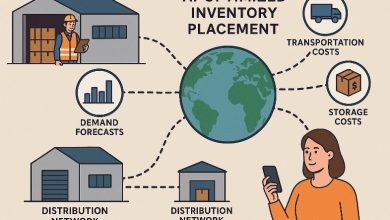
The concept of global expansion has evolved dramatically over the past decade. What once required physical offices, complex legal structures, and heavy upfront investments can now be achieved through digital infrastructure, remote teams, and modern workforce solutions. In the digital age, expanding globally is less about geography and more about strategy, agility, and access to the right talent.
Today’s most successful companies are those that treat global expansion not as a one-time milestone, but as an ongoing capability—one that allows them to adapt quickly to market shifts, customer demand, and technological change.
The Digital Transformation of Global Expansion
Digitalization has fundamentally changed how companies scale internationally. Cloud-based platforms, remote collaboration tools, and automation technologies have removed many of the traditional barriers to entry.
Businesses can now:
- Launch operations in new countries without physical offices
- Hire and manage international employees remotely
- Serve global customers from a centralized digital infrastructure
- Operate across multiple time zones seamlessly
As a result, global expansion is no longer limited to large enterprises. Startups and mid-sized companies can now compete on a global stage from day one.
Why Companies Are Expanding Globally Faster Than Ever

1. Talent Is Global by Default
The rise of remote work has unlocked access to global talent pools. Companies can recruit specialists from regions with strong technical education systems, diverse expertise, and competitive labor costs—without relocation.
2. Customers Expect Global Availability
Digital consumers expect products and services to be accessible worldwide. Companies that expand early gain brand recognition and customer loyalty in emerging markets before competition intensifies.
3. Speed Has Become a Competitive Advantage
In fast-moving industries, the ability to enter a new market within weeks—not months—can determine success. Modern expansion models prioritize speed, flexibility, and low-risk entry.
4. Diversification Reduces Risk
Operating in multiple regions protects companies from economic downturns, regulatory changes, and market saturation in a single country.
The Operational Reality of Going Global
Despite technological advances, global expansion still presents real operational challenges:
- Employment law compliance across different jurisdictions
- Payroll, tax, and benefits management in multiple currencies
- Data protection and privacy regulations
- Cultural differences in management and communication
- Risk of employee misclassification
- Complex termination and labor protection rules
Without proper planning and infrastructure, these challenges can slow growth or create legal exposure.
The Emergence of Flexible Global Employment Models
To address these complexities, companies are increasingly turning to flexible employment models such as remote hiring, contractor engagement, and Employer of Record (EOR) services.
EOR solutions allow businesses to hire full-time employees in foreign countries without establishing a local legal entity. This model enables companies to:
- Enter new markets quickly
- Maintain full compliance with local labor laws
- Reduce administrative and legal overhead
- Focus on core business activities
One example of a company operating in this space is Gini Talent, which supports global hiring and workforce management across 150+ countries. By managing payroll, contracts, compliance, and HR processes, providers like Gini Talent help businesses scale internationally with reduced complexity.
Building a Sustainable Global Expansion Strategy
1. Think Global From the Start
Companies that design their processes, technology, and culture with global scalability in mind expand more smoothly over time.
2. Validate Markets Before Full Entry
Testing new regions through remote teams or EOR employment allows companies to assess demand, talent availability, and operational feasibility with minimal risk.
3. Invest in Compliance and Governance
Legal compliance is not optional in global operations. Automated compliance systems and trusted partners are essential for long-term stability.
4. Focus on Cultural Alignment
Successful global organizations prioritize cultural understanding, inclusive leadership, and clear communication frameworks.
5. Use Data to Drive Expansion Decisions
Market data, workforce analytics, and performance metrics help companies optimize expansion strategies and allocate resources effectively.
Global Expansion Trends Shaping the Next Decade
Remote-First Global Organizations
Companies are increasingly abandoning centralized headquarters in favor of distributed, remote-first structures.
AI-Powered Workforce Planning
Artificial intelligence is being used to analyze labor markets, predict hiring needs, and automate global compliance processes.
Cross-Border Collaboration Becomes Standard
International teams collaborating across borders will become the default operating model for knowledge-based industries.
Emerging Markets Gain Strategic Importance
Countries in LATAM, Africa, and Southeast Asia will play a growing role in global business ecosystems.
Conclusion: Global Expansion as a Core Business Capability
Global expansion is no longer about “going international” at a specific stage of growth. It is about building organizations that are inherently global—capable of operating, hiring, and competing anywhere in the world.
Companies that embrace digital infrastructure, flexible employment models, and global talent strategies will define the future of business. With the support of modern workforce partners such as Gini Talent, international growth becomes not only achievable—but sustainable.
In a borderless economy, the companies that think globally will lead locally—and everywhere else.