Introduction
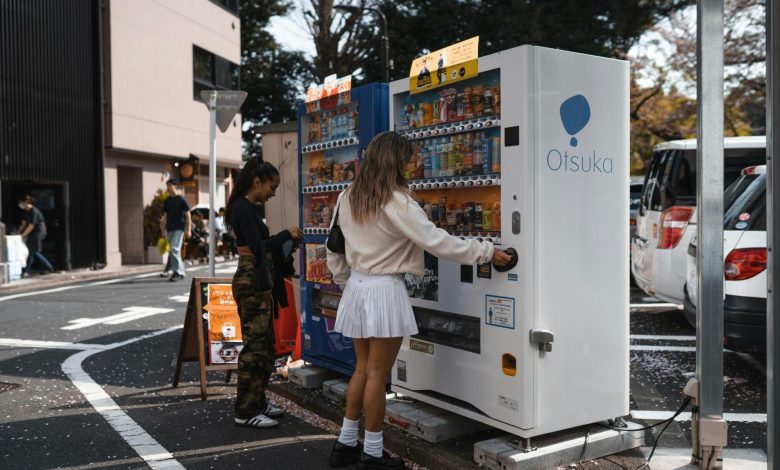
Walk through any busy city street, hospital corridor, school campus, or transportation hub, and you’ll notice a quiet revolution taking place. It doesn’t shout for attention, nor does it rely on flashy storefronts or elaborate marketing campaigns. Instead, it stands unassumingly in corners once overlooked—offering snacks, essentials, beauty products, and even tech accessories at the tap of a button. Vending machines, once seen as simple conveniences, are now emerging as powerful engines of economic opportunity.
In an age where accessibility, automation, and efficiency define success, vending machines are transforming how goods are distributed and how entrepreneurs build income streams. What was once a passive retail tool has evolved into a dynamic, data-driven business model that empowers individuals, revitalizes underserved areas, and bridges gaps in access to everyday necessities.
At the heart of this transformation lies a new approach—DFY vending. Short for “done-for-you,” this model removes traditional barriers to entry and enables aspiring business owners to step into a fully supported, scalable venture. As we explore this shift, one thing becomes clear: vending machines are no longer just about convenience. They are rewriting the rules of economic participation.
The Hidden Potential of Overlooked Spaces
For decades, certain spaces have been underutilized when it comes to commerce. Think of quiet office lobbies after hours, apartment complexes without nearby retail, or community centers in areas underserved by major retailers. These locations often lacked the foot traffic or infrastructure to support traditional businesses, leaving residents and visitors with limited access to goods.
Vending machines are uniquely positioned to unlock the value of these neglected corners. Unlike brick-and-mortar stores, they require minimal space, no full-time staff, and relatively low overhead. This flexibility allows them to be placed where traditional retail simply cannot thrive.
What’s remarkable is how these machines transform not just the physical space, but the economic landscape around them. A previously idle corner becomes a point of transaction, interaction, and convenience. Residents gain access to products they need, while machine owners generate consistent income. It’s a simple concept with profound implications.
Accessibility Redefined in the Modern Economy
Accessibility is no longer just about location—it’s about availability, affordability, and ease of use. Today’s consumers expect instant access to products, whether it’s a quick snack during a late-night shift or a forgotten personal care item in the middle of a busy day.
Modern vending machines meet these expectations with precision. Equipped with cashless payment systems, real-time inventory tracking, and curated product selections, they deliver a seamless user experience. This evolution has turned vending into a viable solution for communities that have historically been overlooked by traditional retail models.
In many ways, vending machines are democratizing access. They bring products directly to where people live, work, and gather, eliminating the need for long commutes or limited store hours. For individuals in remote or underserved areas, this can make a meaningful difference in daily life.
Photo by <a href=”https://unsplash.com/@laurathonne?utm_source=unsplash&utm_medium=referral&utm_content=creditCopyText”>Laura Thonne</a> on <a href=”https://unsplash.com/photos/silhouette-of-people-standing-in-front-of-commercial-chillers-dnvBOzKlWsU?utm_source=unsplash&utm_medium=referral&utm_content=creditCopyText”>Unsplash</a>
The Rise of Micro-Entrepreneurship
One of the most exciting aspects of the vending machine industry is its role in fostering micro-entrepreneurship. Unlike traditional businesses that often require significant capital, complex logistics, and extensive experience, vending offers a more accessible entry point.
Entrepreneurs can start small—sometimes with just a single machine—and scale at their own pace. This flexibility allows individuals from diverse backgrounds to participate in the economy in ways that were previously out of reach.
The DFY vending model takes this a step further by removing many of the common obstacles associated with starting a business. From site selection and machine installation to product sourcing and performance monitoring, DFY vending provides a comprehensive framework that simplifies the entire process.
This approach not only accelerates the path to profitability but also empowers individuals who may not have prior business experience. It turns the idea of ownership into something tangible and achievable.
Data-Driven Decisions in a Compact Format
What sets modern vending machines apart from their predecessors is their ability to leverage data. Today’s machines are not just dispensing products—they are collecting valuable insights about consumer behavior.
Which products sell best at certain times of day? What price points drive the most purchases? How does location impact performance? These are questions that vending operators can now answer with precision.
This data-driven approach allows for continuous optimization. Product offerings can be adjusted based on demand, ensuring that machines remain relevant and profitable. Inventory can be managed more efficiently, reducing waste and maximizing returns.
For entrepreneurs, this means smarter decision-making and a greater level of control over their business. It transforms vending from a passive income source into an actively managed, strategically optimized venture.
The Rise of Turnkey Solutions
As the vending industry continues to grow, so does the demand for streamlined entry points. Not everyone has the time or expertise to build a vending business from scratch.
This is where turnkey solutions come into play.
Companies offering done-for-you models handle many of the complexities involved in launching and managing vending operations. From selecting high-performing locations to maintaining machines and optimizing product mixes, these services allow entrepreneurs to focus on growth rather than logistics.
For those considering this route, researching the latest DFY Vending reviews is often a crucial step. It provides a clearer understanding of what to expect, helping potential investors make informed decisions.
This approach reflects a broader shift in entrepreneurship—one that values efficiency, support, and scalability.
Revitalizing Communities Through Smart Placement
The impact of vending machines extends beyond individual entrepreneurs—it also plays a role in community development. By strategically placing machines in areas that lack retail options, operators can address gaps in access while generating economic activity.
Consider a residential area without a nearby convenience store. A well-stocked vending machine can provide essential items such as snacks, beverages, hygiene products, and even basic household goods. This not only improves quality of life for residents but also keeps spending within the community.
In schools and workplaces, vending machines can be tailored to promote healthier choices, supporting wellness initiatives while still generating revenue. In transportation hubs, they cater to travelers who need quick, reliable access to essentials.
This adaptability makes vending machines a powerful tool for community engagement. They meet people where they are, offering solutions that align with their needs and lifestyles.
Conclusion
From neglected corners to high-traffic hubs, vending machines are transforming the way goods are distributed and how entrepreneurs engage with the market. They represent a shift toward accessibility, efficiency, and inclusivity—qualities that are essential in today’s economic landscape.
Through models like DFY vending, this transformation becomes even more impactful. By removing barriers and providing comprehensive support, DFY vending empowers individuals to step into entrepreneurship with confidence.
What was once a simple convenience has become a catalyst for opportunity. Vending machines are no longer just about snacks or quick purchases—they are about access, empowerment, and the reimagining of economic participation.
As this quiet revolution continues, one thing is certain: the future of opportunity may not always be found in grand storefronts or sprawling enterprises. Sometimes, it begins in the smallest spaces—where innovation meets accessibility, and where a single machine can open the door to something much bigger.