The Hidden Costs Behind a Simple Delivery
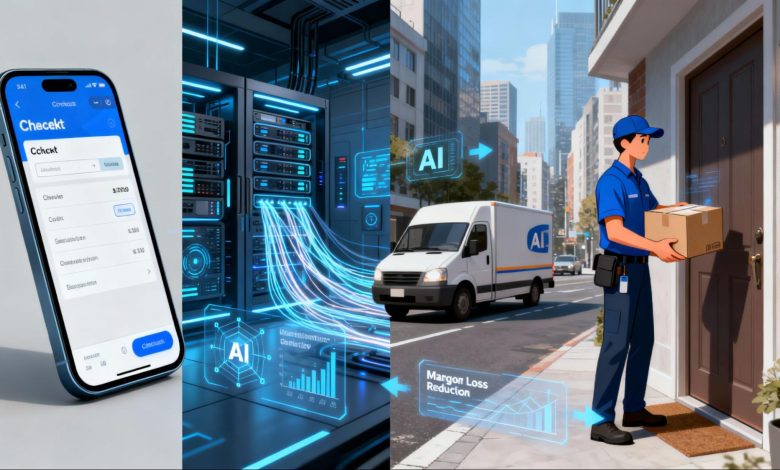
Customers think delivery is easy: click “buy now,” wait a bit, and the package arrives. But for retailers, the last step of delivery (the last mile) is the most expensive and difficult part of the shipping process. As online shopping grows, this final stretch is becoming a major reason why retail profits shrink. Using package tracking helps customers see where their order is, but it cannot remove the deeper problems inside the delivery system.
Tracking tools help customers stay updated, but they cannot remove the deeper problems inside the delivery system.
Behind every doorstep delivery, there is a complex chain of fuel costs, driver work, routing challenges, no-answer customers, weather delays, and many other small issues. Retailers spend huge amounts to make delivery look smooth, but the reality is far more complicated.
The Last Mile Is Short but Extremely Expensive
A package may travel thousands of kilometers through automated warehouses and organized transport routes, but once it reaches the delivery van, everything slows down.
Drivers face traffic, frequent stops, wrong addresses, missing apartment details, customers not being home, and increasing fuel prices.
Even a small issue like a locked gate or an unclear address can double delivery time.
In cities, traffic and parking problems cause delays.
In rural areas, long distances between homes waste fuel and reduce deliveries per hour.
No matter the location, the last mile is where costs rise and efficiency drops.
Returns: The Silent Profit Killer
If delivery is expensive, returns are even worse.
Returning an item costs money for transportation, inspection, repackaging, restocking, and handling damaged items.
Since customers expect free returns, retailers often pay the entire cost.
Sometimes, missing or delayed tracking updates push customers to reorder items or start unnecessary returns, doubling the shipping cost.
Customer Expectations Add More Pressure
Today’s online shoppers expect fast delivery, low delivery costs, full transparency, accurate tracking, and reliable delivery windows.
Customer satisfaction fades very fast when the expectations are not met.
Retailers are using additional resources in the form of expensive delivery systems, additional employees in busier seasons, excellent routing software, and 24/7 customer care to stay up to date.
These additions add to the costs, yet they do not ensure higher profit.
Unseen Supply Chain Inefficiencies
The retailers are also wasting their money since delivery partners fail to communicate well.
Having many carriers process a single package is likely to generate issues like the absence of tracking updates, incorrect scan, misdirected packages, and disorderly delivery tracking.
This raises customer complaints and support tickets.
Retailers occasionally provide replacements or refunds to ensure they do not lose their customers, further lowering profits.
It can be assisted by unified tracking systems and better technology, but it is hard to coordinate with various carriers.
Technology Assists, but It is not the Only Thing
The issue of the last mile operations has been enhanced by automation, smart tracking systems, and AI driven routing tools; however, it is not possible to regulate weather-related issues, road closures, labor shortages, unexpected delays, and local delivery regulations.
Retailers are experimenting with concepts such as lockers, pickup points, drones, and autonomous vehicles.
These solutions are encouraging and yet not widespread enough to make a serious cut on costs.
At this point, the last mile is an already required yet costly aspect of e-commerce.
The Future of the Retailer
Retailers should consider the last mile as a business strategy in order to safeguard margins.
This involves developing better relationships with carriers, enhanced demand estimation, provision of realistic delivery schedules, motivation of pick up point, and utilization of effective and dependable tracking solutions.
A client with the knowledge of where their order is will not panic, re-order, or call customer service without the necessity. This assists the retailers in saving time and money.
Conclusion
The final mile is the most difficult and expensive chain in the retail chain, between the checkout and the door step.
Margins are not reducing due to a single large issue, but rather a large number of little inefficiencies accumulated over the years.
By investing in smarter logistics, better communication, and having realistic expectations of their delivery times, retailers will be in the most advantageous position to remain profitable in a competitive world of e-commerce.