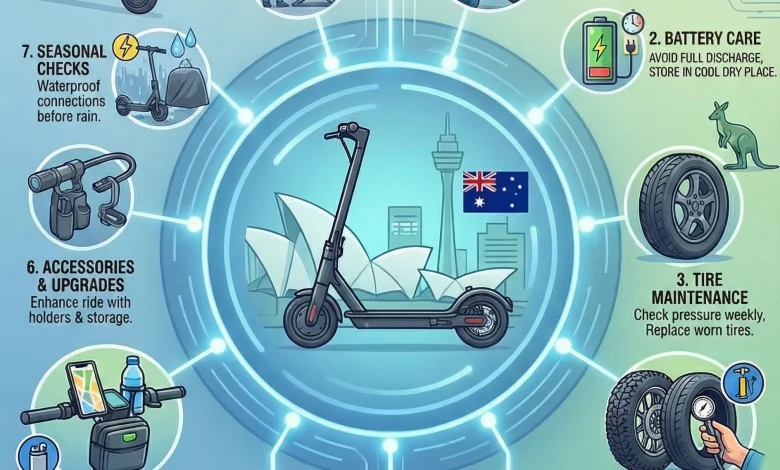
Electric scooters are an eco-friendly, convenient, and fun way to get around. But just like any vehicle, they require regular maintenance to stay safe, efficient, and long-lasting. Whether you’re commuting daily or cruising on weekends, following proper maintenance routines can save you money, prevent breakdowns, and extend the life of your scooter. Here’s a complete guide to keeping your electric scooter in top condition.
1. Keep the Battery Healthy
The battery is the heart of your electric scooter, so maintaining it properly is crucial:
- Charge regularly, but avoid overcharging: Most commuter electric scooters have built-in battery management systems, but it’s still best to unplug once fully charged.
- Use the original charger: Third-party chargers may not match the voltage or current requirements, which can shorten battery life.
- Avoid extreme temperatures: Batteries perform best at room temperature. Store your scooter indoors during extreme cold or heat, especially in Canadian winters, where freezing temperatures can damage lithium-ion batteries.
- Partial charges are okay: It’s better to top up your battery periodically rather than letting it fully discharge every time.
2. Inspect Tires and Brakes
Your scooter’s safety depends on traction and stopping power:
- Check tire pressure regularly: Properly inflated tires improve ride efficiency, handling, and battery life. Use a reliable tire pressure gauge.
- Inspect for wear and tear: Replace tires with deep cracks, worn tread, or punctures. Fat tires and off-road tires need extra attention after rough rides.
- Check brakes frequently: Listen for squeaking or grinding noises, and make sure the brake lever has firm resistance. Adjust or replace brake pads if needed.
3. Clean and Lubricate Moving Parts
Scooters are exposed to dust, dirt, and water, which can affect performance over time:
- Wipe down the frame: Use a microfiber cloth and mild detergent. Avoid high-pressure water sprays, which can damage electrical components.
- Clean the wheels and deck: Remove mud, sand, or small stones that can get lodged in moving parts.
- Lubricate the chain or folding mechanism: Apply a small amount of lubricant to keep hinges, joints, and bearings moving smoothly. Wipe off excess to avoid attracting dirt.
4. Check the Electrical Components
Since scooters are powered electrically, it’s important to ensure connections are solid:
- Inspect cables and connectors: Look for fraying wires, loose plugs, or corrosion.
- Test lights and display: Make sure headlights, brake lights, and indicators are functioning. Replace bulbs or LED strips if needed.
- Monitor error codes: Some scooters display warnings on the dashboard; don’t ignore them, as they can prevent larger issues.
5. Tighten Bolts and Screws
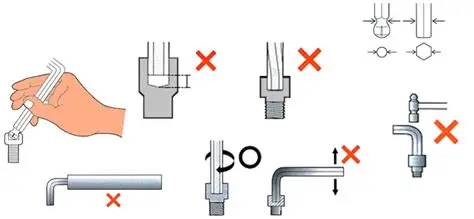
Vibrations from riding can loosen hardware over time:
- Inspect the frame and handlebars: Check all bolts and screws monthly.
- Use thread-locking fluid if necessary: This keeps fasteners from loosening during frequent rides.
6. Seasonal Maintenance Tips
Riding conditions change with seasons, especially in Canada:
- Winter: Protect your scooter from snow and ice. Consider using fenders to reduce slush buildup.
- Rainy weather: Dry your scooter immediately after wet rides to prevent rust and water damage.
- Summer: Keep tires properly inflated as heat can increase tire pressure, and store the scooter away from direct sunlight to avoid battery overheating.
7. Regular Professional Checkups
Even with regular DIY maintenance, professional inspections can catch hidden issues:
- Schedule a checkup every 6–12 months, depending on usage.
- Mechanics can test the motor, battery health, brakes, and electronics.
- Professional maintenance can also extend the scooter’s warranty coverage by keeping it in top condition.
8. Storage Tips
How you store your scooter matters just as much as how you ride it:
- Keep it in a dry, cool place.
- If storing long-term, charge the battery to about 50–70% and check it periodically.
- Avoid leaving the scooter outside for extended periods, which exposes it to weather damage and theft.
Conclusion
Regular maintenance is the key to a safe, smooth, and long-lasting electric scooter experience. By keeping your battery healthy, tires inflated, brakes functional, and components clean, you not only prevent costly repairs but also ensure a reliable ride every time. Whether you’re commuting in the city or exploring off-road trails, a little maintenance goes a long way.
Pro Tip: Keep a small toolkit with an Allen key set, tire pressure gauge, and microfiber cloth handy for quick checks before each ride.