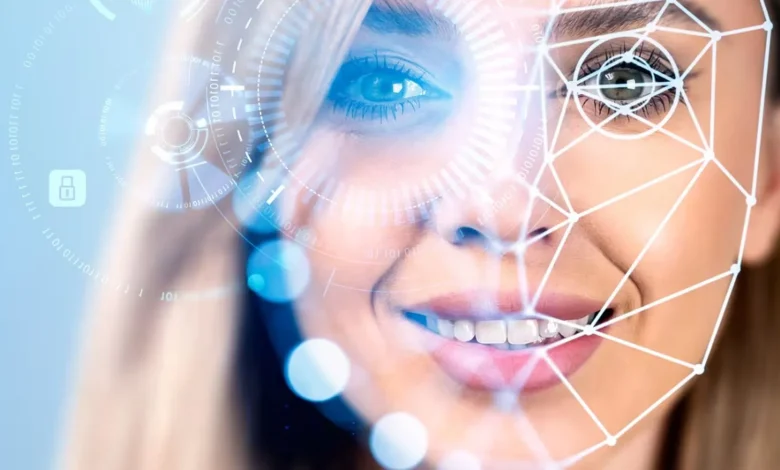
Bringing advanced tech into healthcare isn’t just changing how we treat disease—it’s blurring the old lines between classic medicine and things like cosmetic improvements. Sure, a lot of people think of artificial intelligence as something for big hospital machines or tricky diagnoses, but honestly, you see its impact in smaller clinics too, especially in places like cosmetic and restorative dentistry. If you’re looking up the veneers cost Maple specialists offer, you’ll probably notice that digital planning is now the norm. Dentists use predictive algorithms and 3D modeling to show you a digital “before and after” long before you even sit in the chair. It’s not just cool tech for tech’s sake. Combining data with design brings accuracy—meaning fewer mistakes and a treatment plan built just for your face.
Let’s talk about diagnostics. Machines now read visual data with a detail that even the best doctors can’t match. Diagnostic imaging powered by neural networks sifts through millions of examples to spot early signs of disease. Maybe it’s a tiny shadow in a lung scan, or the first changes in bone density that hint at osteoporosis—these systems catch what people might miss, backing up doctors with extra eyes.
This kind of precision is a game-changer for preventive care. Instead of waiting around for symptoms to show up, algorithms flag folks who are “at risk” by analyzing genetic info, lifestyle, and past scans. It shifts the whole mindset from putting out fires to actually keeping people healthy in the first place.
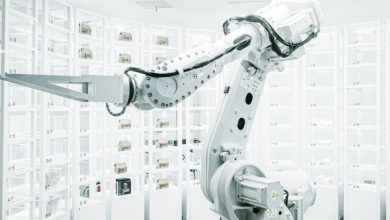
 AI doesn’t just stop at the diagnosis. It’s already in the operating room, helping surgeons with minimally invasive procedures. Surgical robots make tiny adjustments on the fly, smoothing out hand tremors or adapting to a patient’s breathing. The result? Smaller cuts, less trauma, and patients going home sooner.
Outside of surgery, personalized medicine is finally happening. Doctors can now predict how your body handles certain drugs, so they skip the frustrating trial-and-error phase with prescriptions. Symptom checkers guide you toward the right kind of care, whether that’s urgent treatment or just taking it easy at home. And those smartwatches and fitness trackers? They’re not just for counting steps—they’re sending a steady stream of your health data to your doctor, who can keep tabs on you in real time.
Then there’s the admin side. Automated systems now wrangle everything from insurance paperwork to scheduling, so medical staff can spend more time actually talking to patients. For the patient, that means easier access to medical records and the kind of digital tools that put you in control of your own health.
Bottom line, when people have clear info or can actually see what’s going on with their health, they get more involved. Computers can lay out the facts, but it’s the back-and-forth with your doctor that really builds trust and makes treatment feel like a team effort.
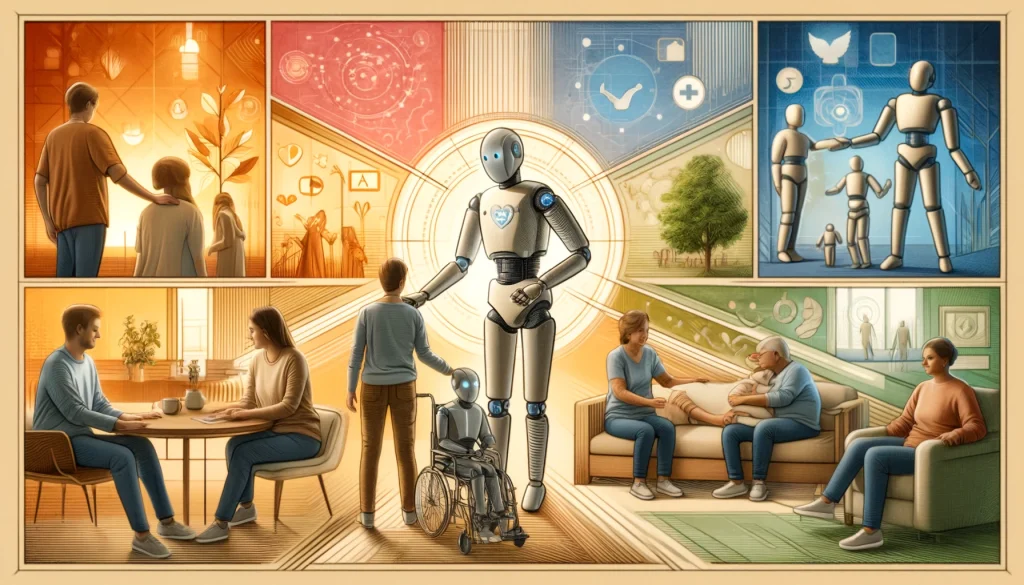
Still, even as technology gets smarter, real empathy matters just as much as ever. Machines can crunch the numbers and spot the patterns, but only people can sit with you through tough news or help you weigh your options. The best healthcare will use all this tech to handle the heavy lifting, freeing up doctors and nurses to do what only humans can—care.