Large Language Models (LLMs) have effectively solved the problem of content volume, yet they have simultaneously introduced a new challenge: linguistic homogeneity. As machine-generated text saturates the digital ecosystem, we are witnessing the emergence of the “uncanny valley” of writing—text that is grammatically flawless but emotionally and structurally hollow.
The Rise of Machine Bias in Digital Prose
Digital engagement is built on nuance, but traditional AI outputs often suffer from what researchers call machine bias. This manifests as a predictable rhythm, a preference for high-probability word choices, and a lack of the “burstiness” that characterizes natural human thought. For high-stakes communication, this robotic cadence acts as a form of friction, distancing the reader from the message.
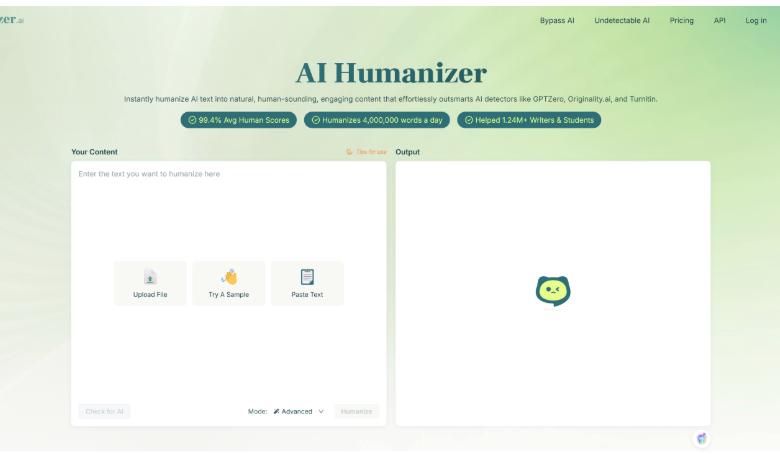
To bridge this gap, a new layer has emerged in the tech stack: the high-fidelity ai humanizer. Unlike basic rewriters that simply swap synonyms, sophisticated humanization involves a deep structural re-engineering of the text to restore the natural variance found in human authorship.
Beyond Bypassing: The Strategic Value of Refinement
While much of the industry conversation surrounds bypassing detection, the true strategic value of the technology lies in audience retention and brand authority. For enterprise content teams, the ability to humanize ai text is essential for maintaining a distinct voice in a crowded marketplace.
The refinement process focuses on three critical dimensions:
- Syntactic Complexity:Breaking the repetitive patterns of AI sentence structures to create a more engaging narrative flow.
- Semantic Preservation:Ensuring that the original expert intentremains intact while the delivery is softened and made more approachable.
- Contextual Resonance:Tailoring the tone to meet specific editorial standards,whether for technical whitepapers or thought-leadership journals.
Integrating Audit and Optimization Workflows
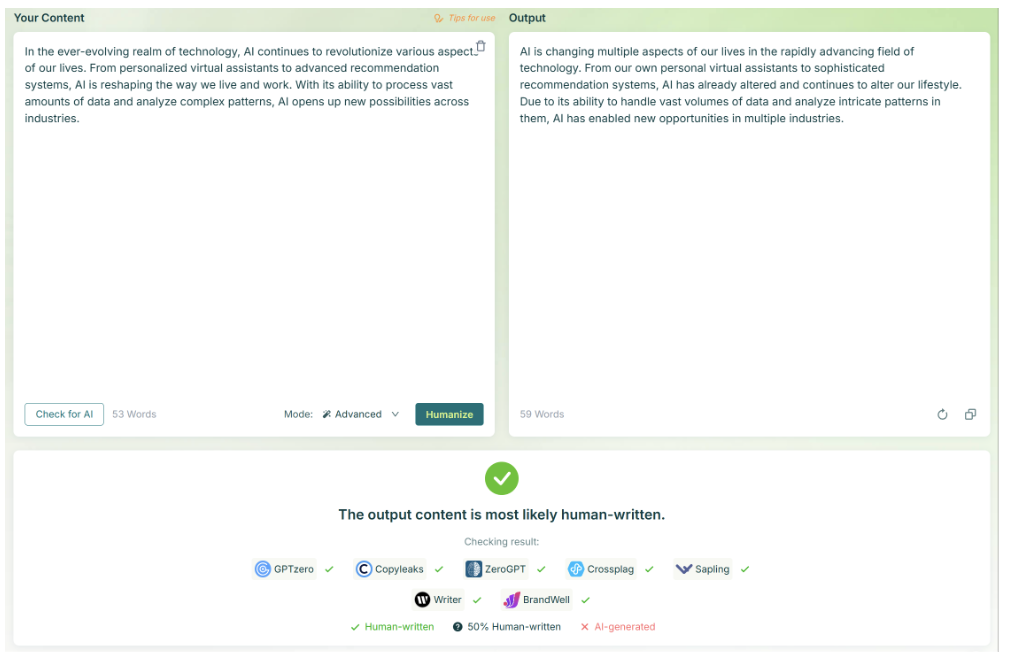
A mature content lifecycle now moves from “generate-and-publish” to a more nuanced “generate-audit-humanize” framework. By utilizing an integrated AI checker, organizations can establish a baseline for content quality before applying humanization algorithms.
This workflow isn’t about obscuring the use of technology; it is about polishing the tool’s output to meet the rigorous standards of modern publishing. It aligns with a commitment to “Inspiration & Originality,” ensuring that AI remains a collaborative partner in the creative process rather than a replacement for it.
The Future of Collaborative Writing
As we continue to explore the boundaries of generative technology, the focus must shift from how much we can produce to how well we can connect. The use of an ai humanizer represents the final, essential step in this journey—transforming raw algorithmic data into resonant, human-centric stories that build lasting authority.