- Get Safe Online launches Ticket Safety Expert to help fans stay safe online ahead of a busy year of live events with Harry Styles, BTS and The World Cup in 2026
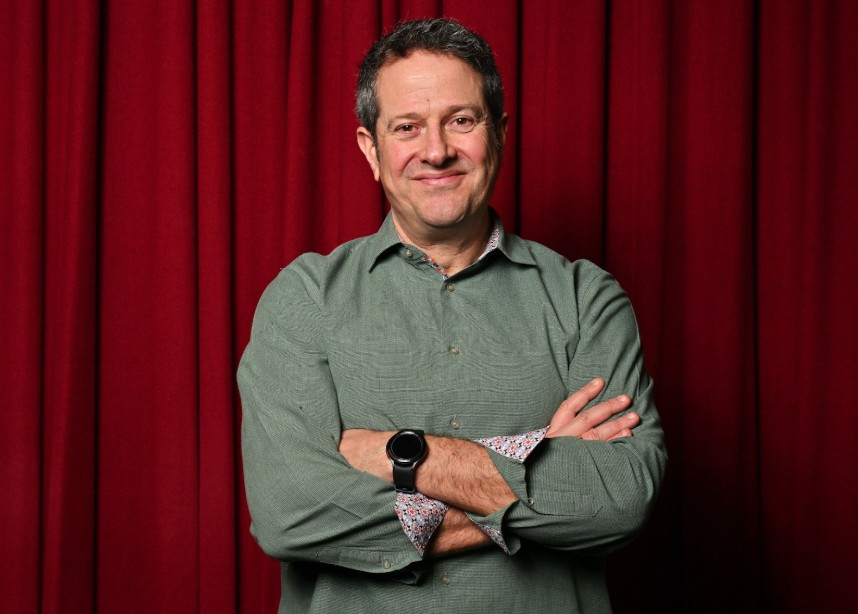
- Ticket Safety Expert, Nick Hawe, tests the nation’s ability to spot fake ticket listings on social media with alarming results.
- “We thought we were buying Oasis tickets from a family friend – then £700 disappeared and the tickets never came. Seeing how heartbroken my daughter was was devastating.” – Michael Oxley, 56
- “I spent all my holiday money on tickets for a Leverkusen vs Dortmund game. Standing outside the stadium and realising they were fake was devastating – I had to call my dad just to get through the rest of the trip.” – Joel Diamond, 22
- Ticket Safety Expert warns that government ticket resale price caps could push fans onto risky social media scams and urges using safe, regulated platforms with consumer protections; visit Get Safe Online for tools to stay protected.
LONDON–(BUSINESS WIRE)–To mark Safer Internet Day, Get Safe Online has launched new research led by former cybercrime police officer Nick Hawe exposing a worrying truth: the majority of UK fans can’t tell a genuine ticket from a fake on social media. With 2026 set to be one of the busiest years on record for live events, the findings highlight a growing vulnerability to online ticket scams and the need for clearer guidance on staying safe when buying tickets online. In response to these findings, Get Safe Online has appointed Nick Hawe as its Ticket Safety Expert to help protect fans from ticket scams.
The research comes at a pivotal time, as the UK government plans to introduce price caps on resale tickets. Restricting resale sites risks reducing competition and leaving fans with fewer safe alternatives, which could fuel higher levels of ticket fraud.
The research found that:
- 55% of respondents said they cannot confidently determine whether a ticket listing on social media is genuine
- 26% of Brits admitted to buying tickets on social media because they seemed cheap however later turned out to be fake losing an average of £258
- 51% of respondents were unaware that price caps could increase the risk of ticket scams on social media
- London stands out as a ticket scam hotspot as 1 in 4 Londoners have been caught out in the past year alone
- 31% of fans are not aware of any tools or websites that can help verify whether a ticket is genuine – Get Safe Online shares tools to help
Most Brits can’t spot an authentic ticket on social media and risk being further exposed by the UK government’s ticketing plan
With fan demand surging this year for major concerts such as Harry Styles, BTS and Ariana Grande, as well as sporting events like the World Cup, Nick Hawe and Get Safe Online warn that scammers will be planning to exploit fans across social platforms and messaging apps.
Against this backdrop, 26% of Brits admit they have bought tickets on social media because they appeared cheap, only to later discover they were fake, losing an average of £258. Trust in purchasing tickets on these platforms remains low, with 60% saying they do not trust buying tickets on X, 54% on Instagram and 53% on Facebook.
According to the study, 51% of respondents were unaware that price caps could increase the risk of ticket scams on social media. However, data from Ireland where caps exist shows significantly higher risk: fraud rates are 13.6% nearly four times the UK’s. This was starkly illustrated by the NFL Dublin ticket on sale, where the absence of legal resale options pushed fans to social media, triggering an 80% spike in ticket-scam victims and a 48% rise in losses, with 17–24-year-olds most affected. Capping ticket prices shrinks consumer choice and forces desperate fans onto social media, where there are no protections and no refunds.
Majority of Brits want access to safe alternatives yet nearly half are willing to risk losing money on social media to see their favourite artist
70% of respondents said they would only buy tickets from a platform offering consumer protections such as refunds or replacement tickets, However, nearly half of Brits, 45% reported they would still risk losing money on a ticket on social media even if they suspected it might be fake. This highlights the importance of providing safe alternatives for consumers which price caps would undermine.
Nick Hawe, Ticket Safety Expert said:
“Ahead of a stellar year of live events it’s alarming to see that 55% of Brits aren’t able to spot a ticket scam. To make this worse, the Government is proposing the introduction of price caps on resale tickets exposing even more fans to fraud on social media. This proposal will limit competition pushing fans towards social media platforms where scams are rife. Primary ticketing makes up 94% of the UK ticketing market – resale accounts for just 6%. Instead of focusing on the 6%, the government should ensure fans have access to safe, regulated alternatives that help protect them from being scammed.”
Fans can visit the “Safe Ticket Buyer Tools” page on Get Safe Online, offering free tools recommended by Ticket Safety Expert, Nick Hawe, on how to stay protected from online fraud.
Real-life case studies from Michael Oxley and Joel Diamond also show just how easily fans can fall victim to ticket scams on social media:
Michael Oxley, 56, St. Helens, Merseyside, Gaming Consultant lost £700 to scammers after trying to buy Oasis tickets on Facebook. Speaking of the experience Michael said, “We were trying to buy Oasis at Heaton Park tickets last summer, and my daughter spotted them being sold on Facebook by what looked like a family friend. It never crossed our minds that it could be fake – it was their name, their photo, everything.
“The person messaging us was so convincing. They asked us to pay in installments and we trusted them, thinking we were dealing with someone we knew, it turned out their account had been hacked by a scammer so the tickets never arrived.
“Realising we’d been scammed was heartbreaking. We didn’t just lose £700, we lost something we were really looking forward to sharing together. Seeing how disappointed the family was was the worst part. You’re left feeling embarrassed, angry and foolish but more than anything, just sad. I wouldn’t want anyone else to go through that.”
Joel Diamond, 22, Liverpool, Bartender, also shared his experience as a scam victim, losing £350 in the process, “I was on holiday in Cologne with my girlfriend and we just wanted to do something special while we were there. When we found tickets for Leverkusen vs Dortmund on what looked like a trusted Reddit page, it felt perfect. The seller even sent proof of purchase, so we had no reason to doubt it.
“Walking up to the stadium, we were so excited. Then the scanner wouldn’t accept the tickets. We tried again and again, but the QR codes just didn’t work. That’s when it hit us – we’d been scammed.
“I was a student at the time and I’d spent all my holiday money on those tickets. Losing £350 meant I didn’t even have enough left to enjoy the rest of the trip. I had to ring my dad and ask him to help me out. Standing there watching everyone else go in while we were locked out was awful. It completely ruined what was meant to be a really special moment.”
About Nick Hawe
Nick Hawe is a former police detective with 30 years’ experience at North Wales Police specialising in fraud, serious and organised crime, and online criminality. Nick was recently appointed as Get Safe Online’s Ticket Safety Expert ambassador to help fans navigate purchasing tickets online safely. Nick is available for interviews.
About Get Safe Online
Get Safe Online is the UK’s leading internet safety website, providing unbiased, practical advice on protecting yourself, your devices, and your business from online fraud, identity theft, viruses, and other digital risks. A public-private partnership supported by organisations across banking, retail, and cybersecurity, Get Safe Online also delivers national and community events, working closely with law enforcement and government bodies to promote safer online practices.
Contacts
For media enquiries, please email [email protected].